
A trip through the Sahara
The Sahara, a desert turned into a forest, a wasteland invaded by life.
In the XXII century, I was one of the first tourists to visit that area in full reforestation, a place where sacred water brought life back to the most inhospitable place on earth.
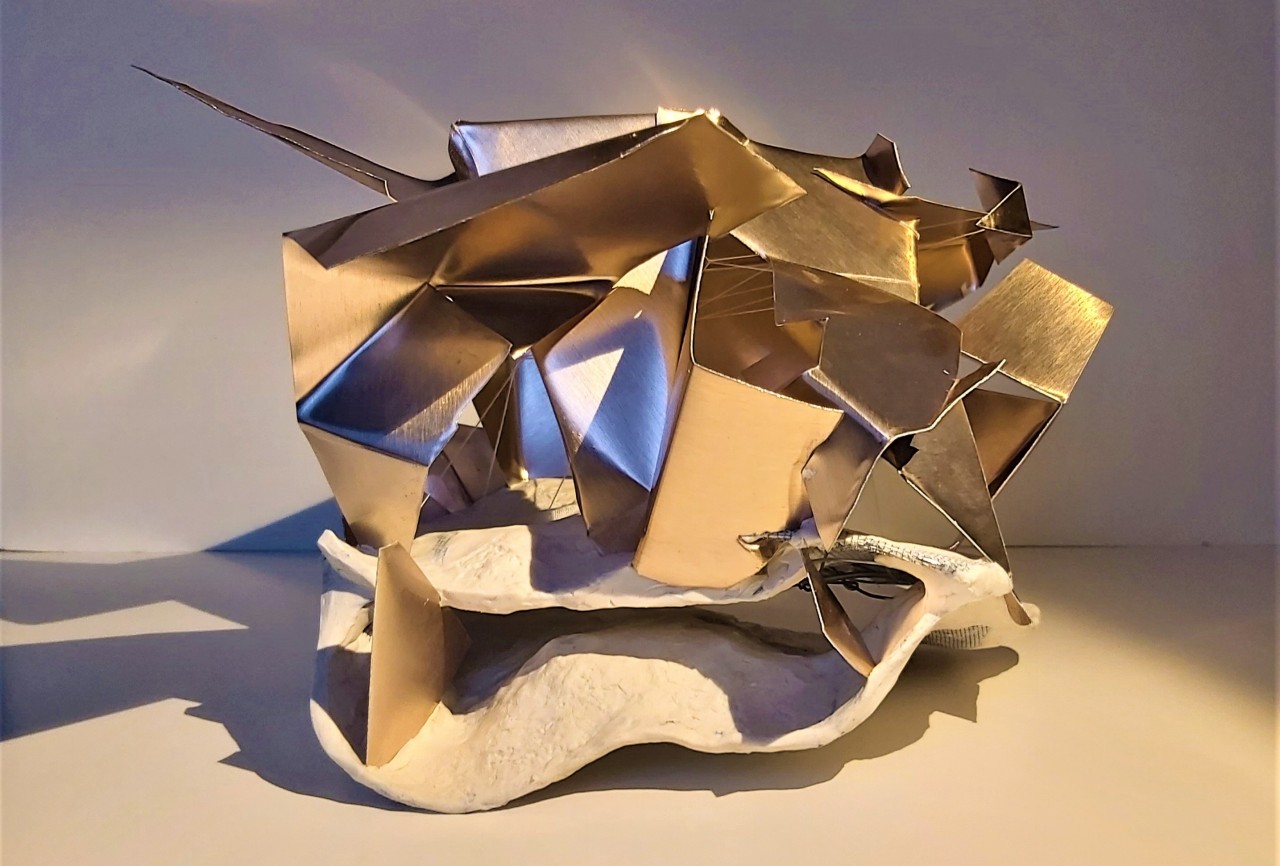
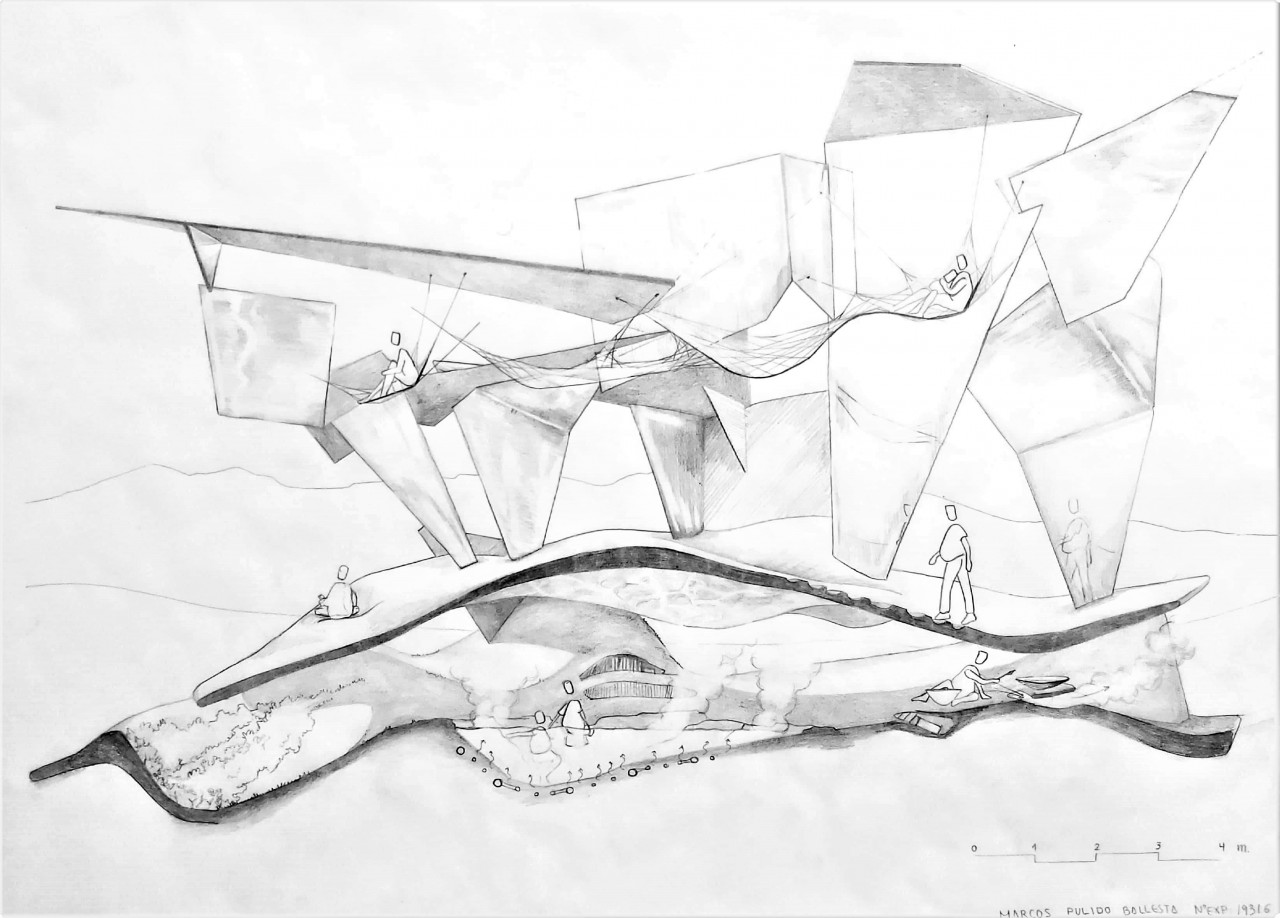
That night I was spending in one of the refueling stations between the southern oases and the capital, it was a house with two well-differentiated spaces that distinguished the concept of living from that of surviving.
In the lower one, you survived, you could cook, wash and sleep.
However, the upper space extolled the idea of observing the environment, studying it, reflecting and loving as what really gives meaning to life, and offered a space rich in shapes, volumes and reflections that could well be the interior of a soul.
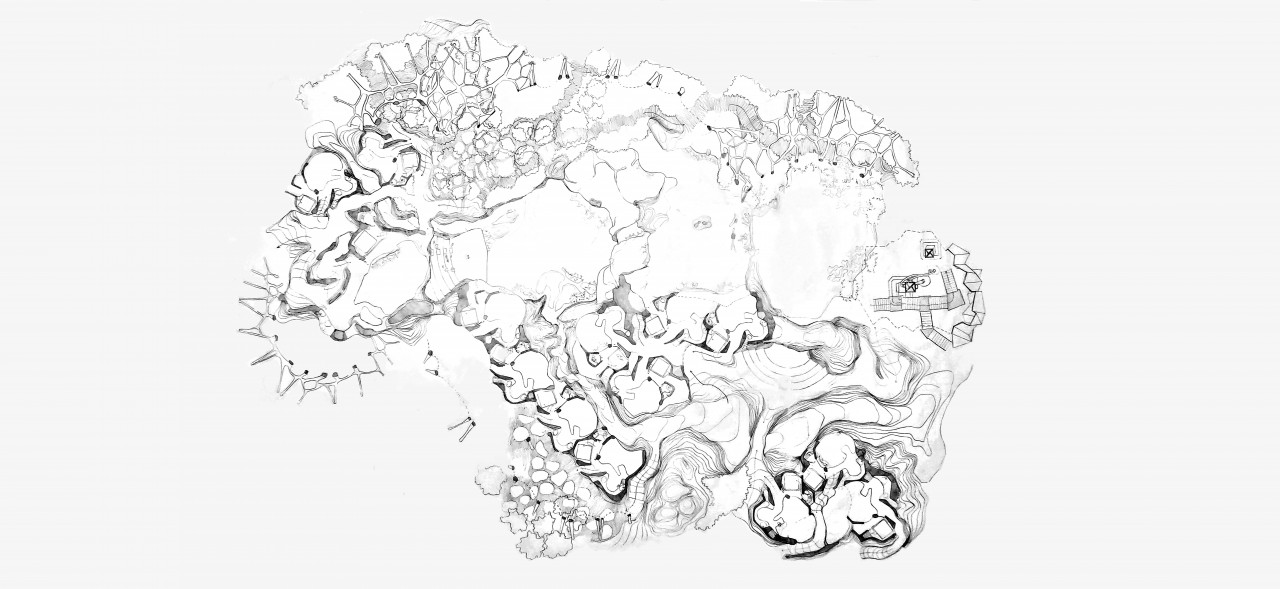
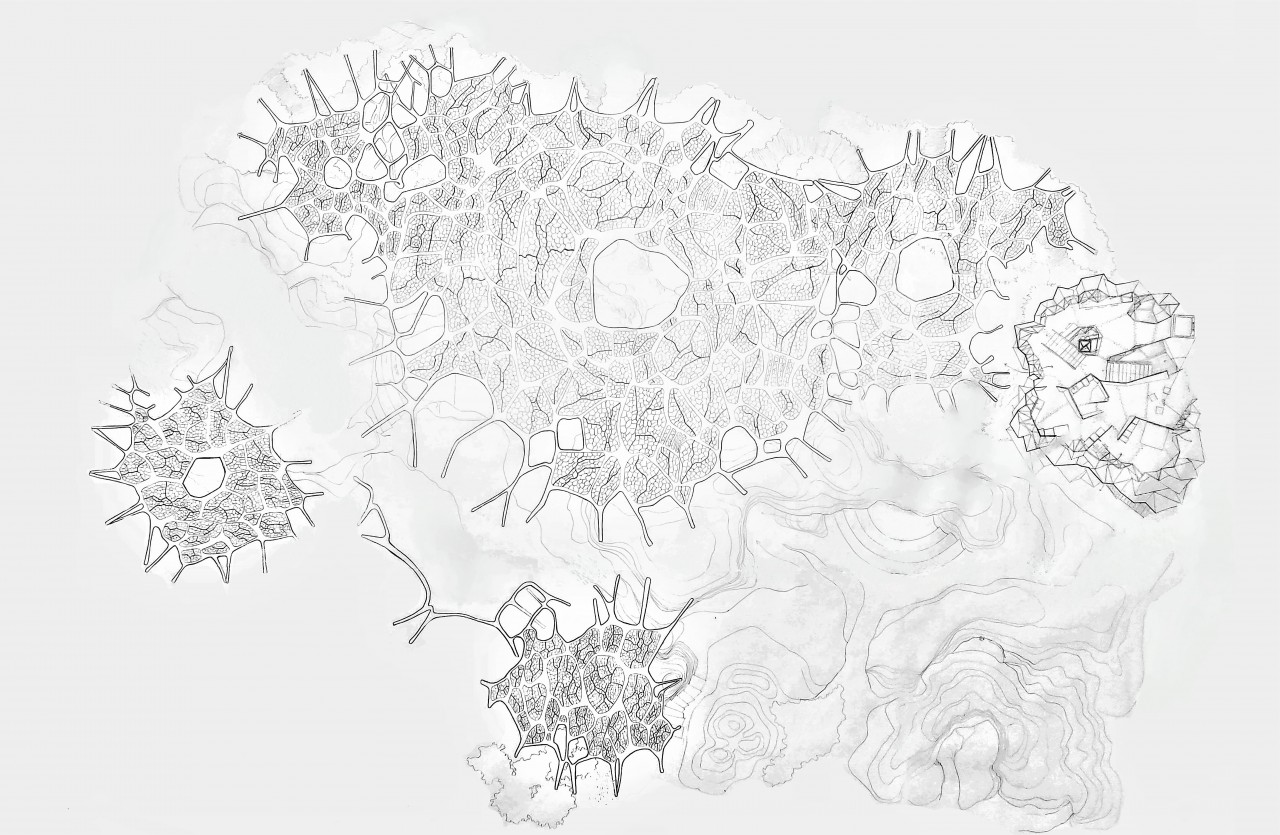
The next morning I resumed my journey, and at noon I reached the oasis. The old mining operation was now covered by large domes that regulated the light and protected the inner garden from radiation and wind.
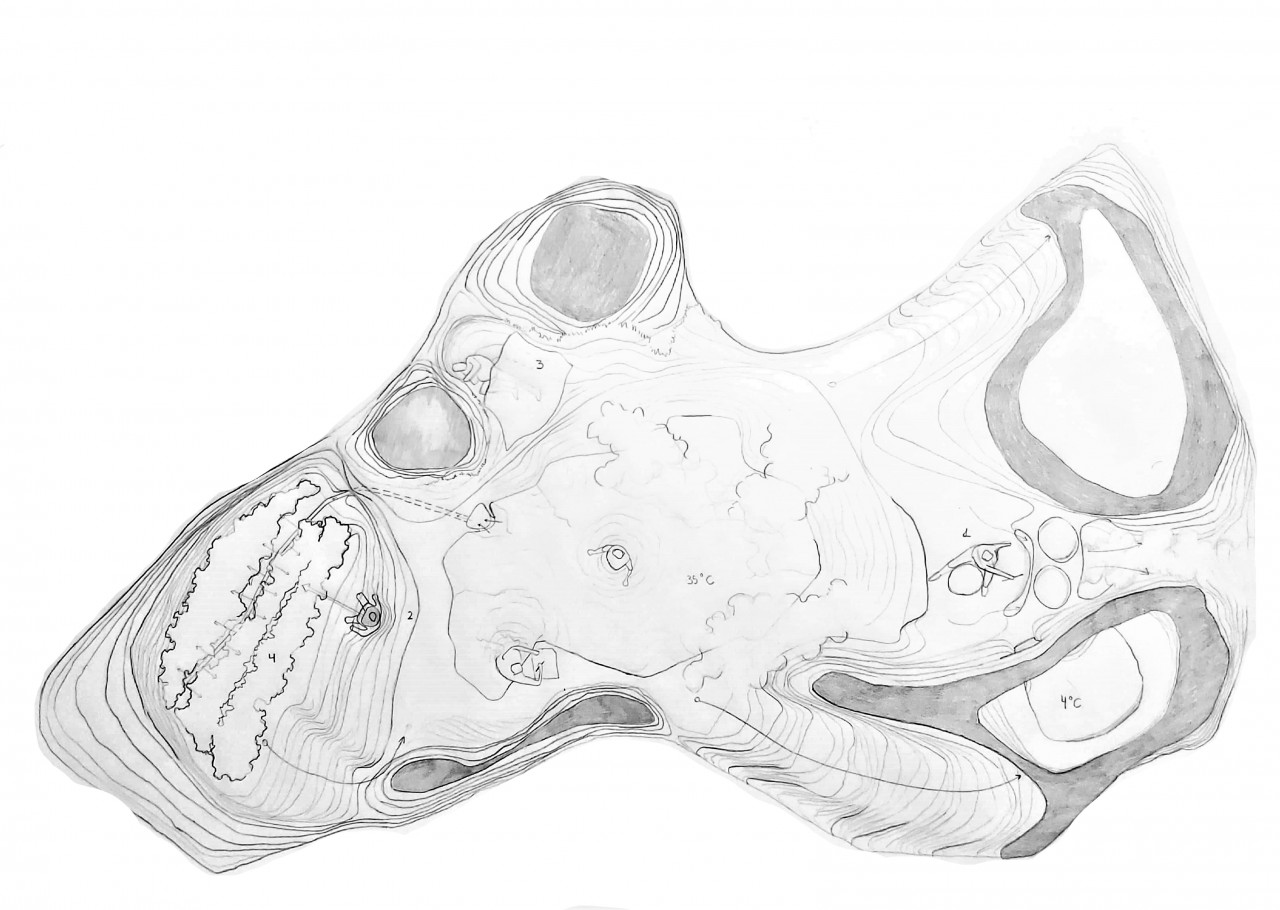
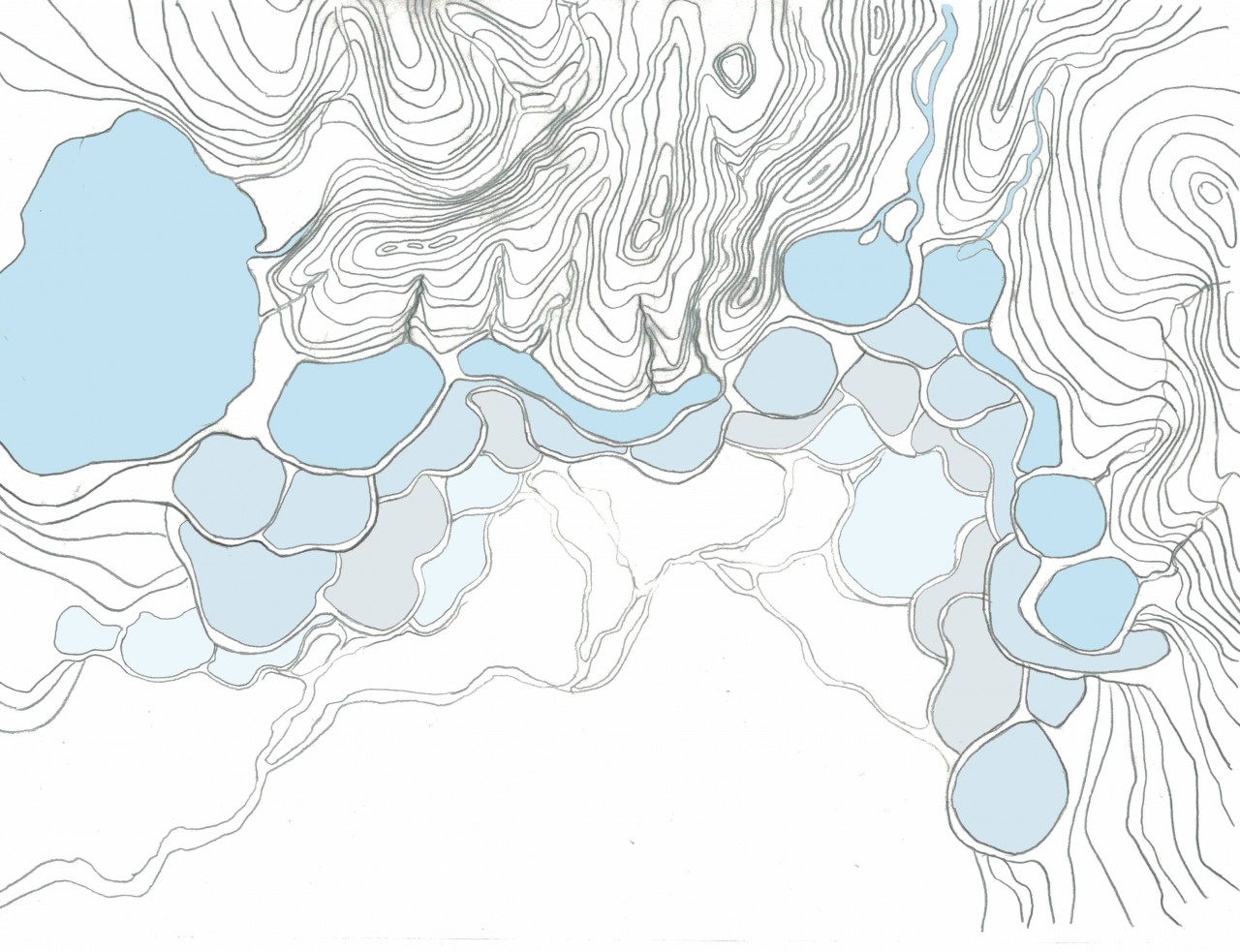
Inside, a series of terraces, subterranean houses and bleachers spanned the unevenness of the open-cast mine and led to a lake that reflected the dome above it.
Throughout the place, you could hear the murmur of water, which as a purifying element kept in constant movement overflowing from one pool to the next, creating vertical translucent walls and thus maintaining its sacred character for the countries of the Arab world.
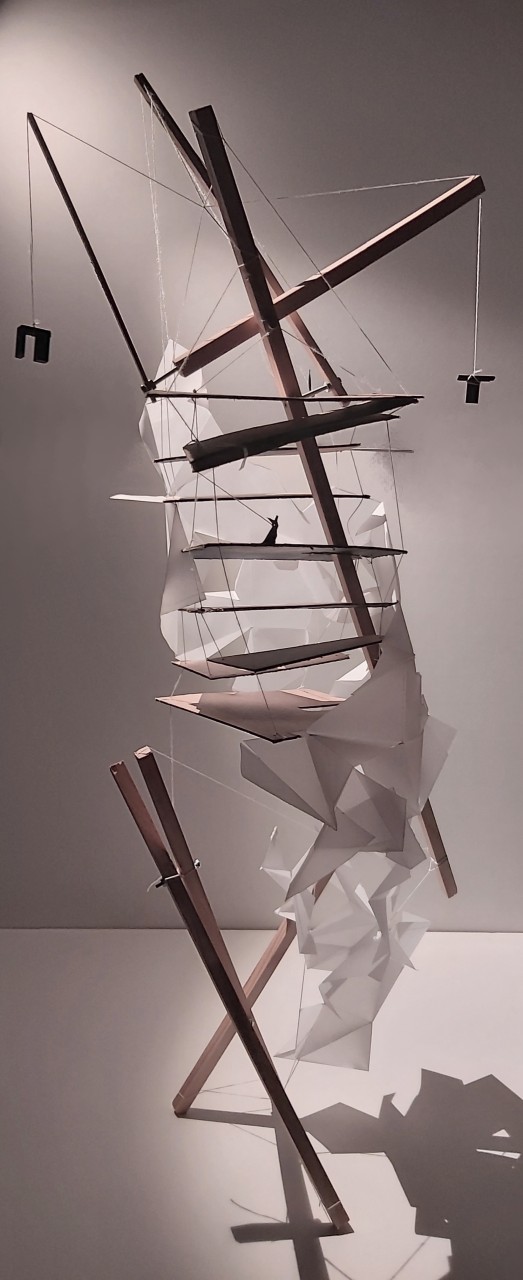
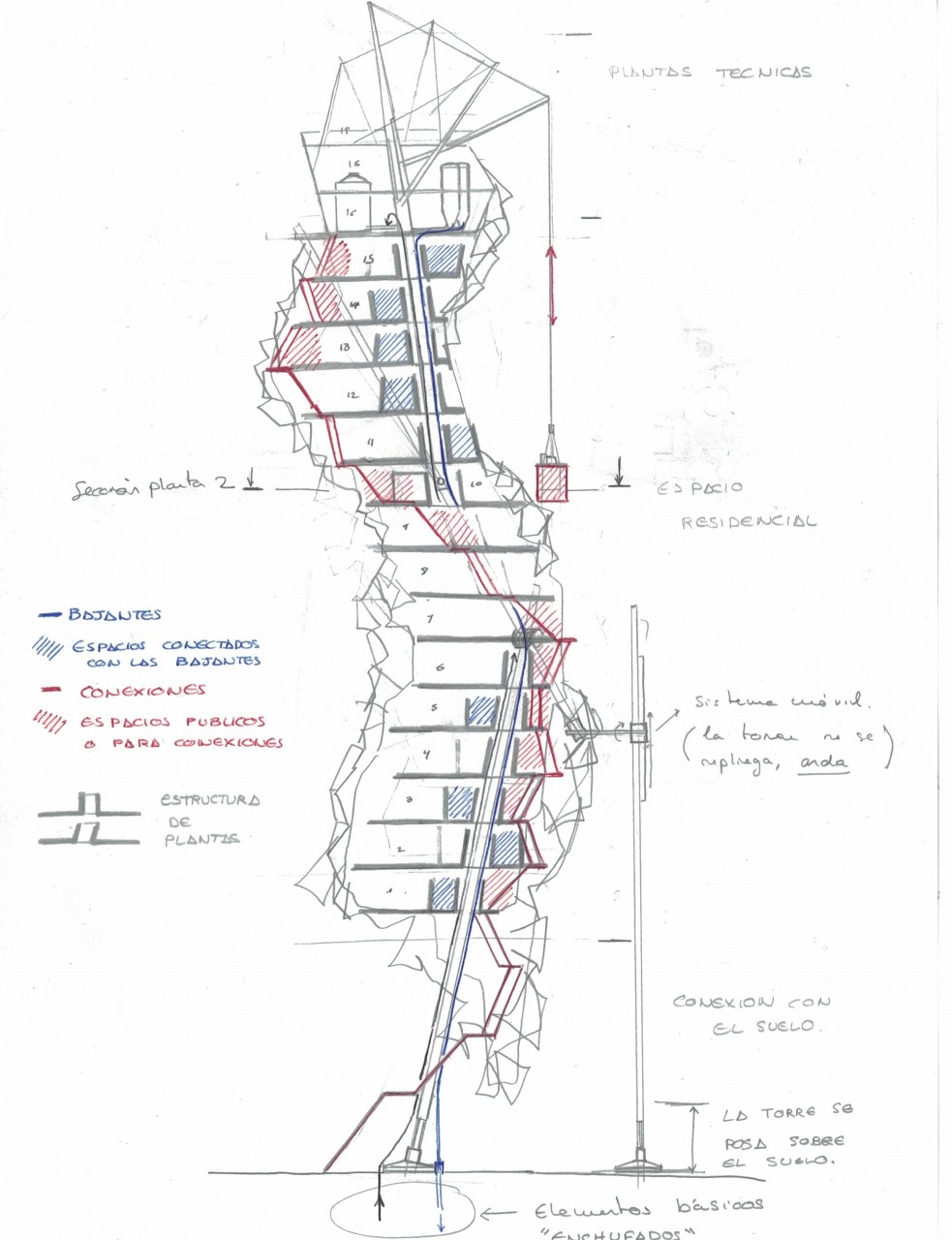
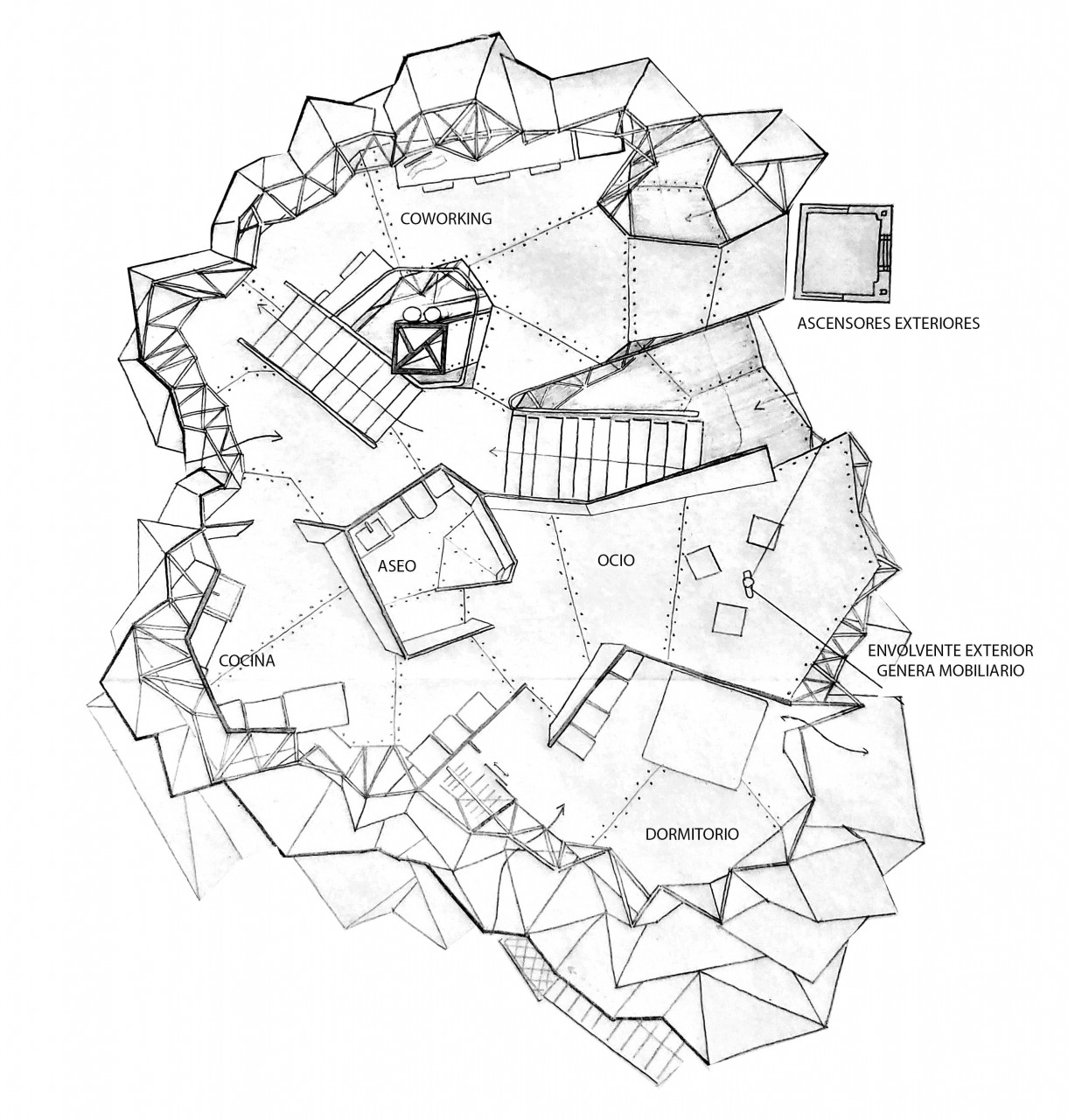
Beyond the oasis, I visited an immense metallic tower that, like a conqueror of the desert, housed the workers and future residents of the oasis that was under construction.
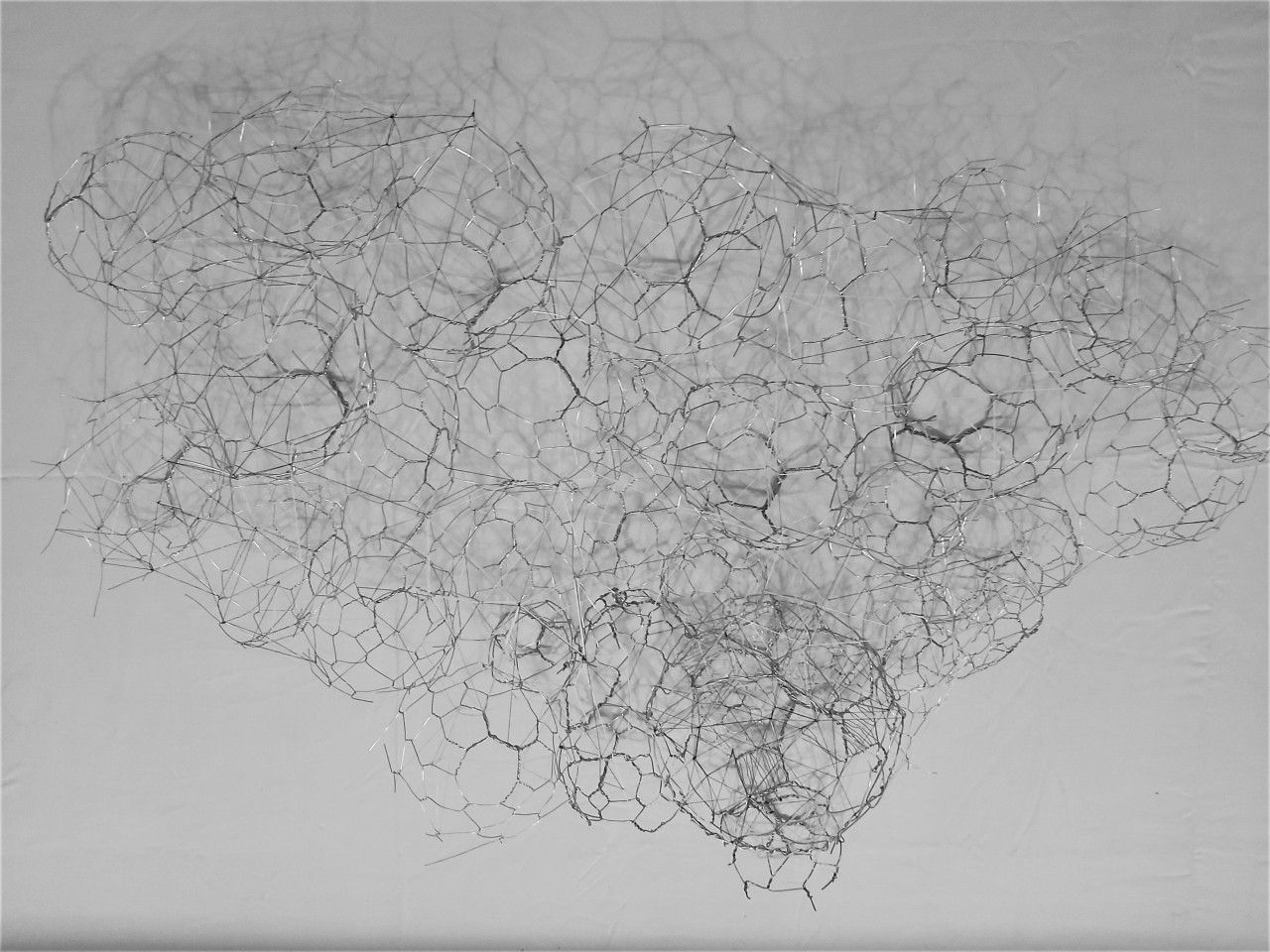
The tower was removable, its life only lasted as long as the work lasted, and I could see the metallic and light elements that formed the outer envelope, and from which the different levels hung while I ascended that architectural walk.
From the top of the tower I could see that this was not the only tower, nor the only oasis, the desert was being reforested, native flora and fauna coexisted with new farmlands that connected towns that had been isolated by the desert sands.
New self-sufficient nuclei that offered a new model of life in relation to nature and the community, a simple and cheap model to maintain, a model in which personal and intellectual development were motivated through the senses and an environment. that invites us to observe and love our world.
In the XXII century, I was one of the first tourists to visit that area in full reforestation, a place where sacred water brought life back to the most inhospitable place on earth.
That night I was spending in one of the refueling stations between the southern oases and the capital, it was a house with two well-differentiated spaces that distinguished the concept of living from that of surviving.
In the lower one, you survived, you could cook, wash and sleep.
However, the upper space extolled the idea of observing the environment, studying it, reflecting and loving as what really gives meaning to life, and offered a space rich in shapes, volumes and reflections that could well be the interior of a soul.
The next morning I resumed my journey, and at noon I reached the oasis. The old mining operation was now covered by large domes that regulated the light and protected the inner garden from radiation and wind.
Inside, a series of terraces, subterranean houses and bleachers spanned the unevenness of the open-cast mine and led to a lake that reflected the dome above it.
Throughout the place, you could hear the murmur of water, which as a purifying element kept in constant movement overflowing from one pool to the next, creating vertical translucent walls and thus maintaining its sacred character for the countries of the Arab world.
Beyond the oasis, I visited an immense metallic tower that, like a conqueror of the desert, housed the workers and future residents of the oasis that was under construction.
The tower was removable, its life only lasted as long as the work lasted, and I could see the metallic and light elements that formed the outer envelope, and from which the different levels hung while I ascended that architectural walk.
From the top of the tower I could see that this was not the only tower, nor the only oasis, the desert was being reforested, native flora and fauna coexisted with new farmlands that connected towns that had been isolated by the desert sands.
New self-sufficient nuclei that offered a new model of life in relation to nature and the community, a simple and cheap model to maintain, a model in which personal and intellectual development were motivated through the senses and an environment. that invites us to observe and love our world.
- 00 - Description
- 01 - Dual houses 3D model
- 02 - Survive, Dual houses
- 03 - Life Dual houses
- 04 - Oasis bowls 3D model
- 05 - Oasis Master Plan
- 06 - Oasis cover plan
- 07 - Walking tower model
- 08 - Walking tower scheme
- 09 - Towers platform plan
- 10 - Crops scheme
- 11 - Video