
La Gloria de San Sebastián
"After the thousand years, the waters return by the way they usually go"
“Al cabo de los años mil, vuelven las aguas por do suelen ir”
Lope de Vega
The verse by Lope de Vega perfectly illustrates the intention of the project: to heal a point in the city of Madrid from the perspective of its cultural and urban history.
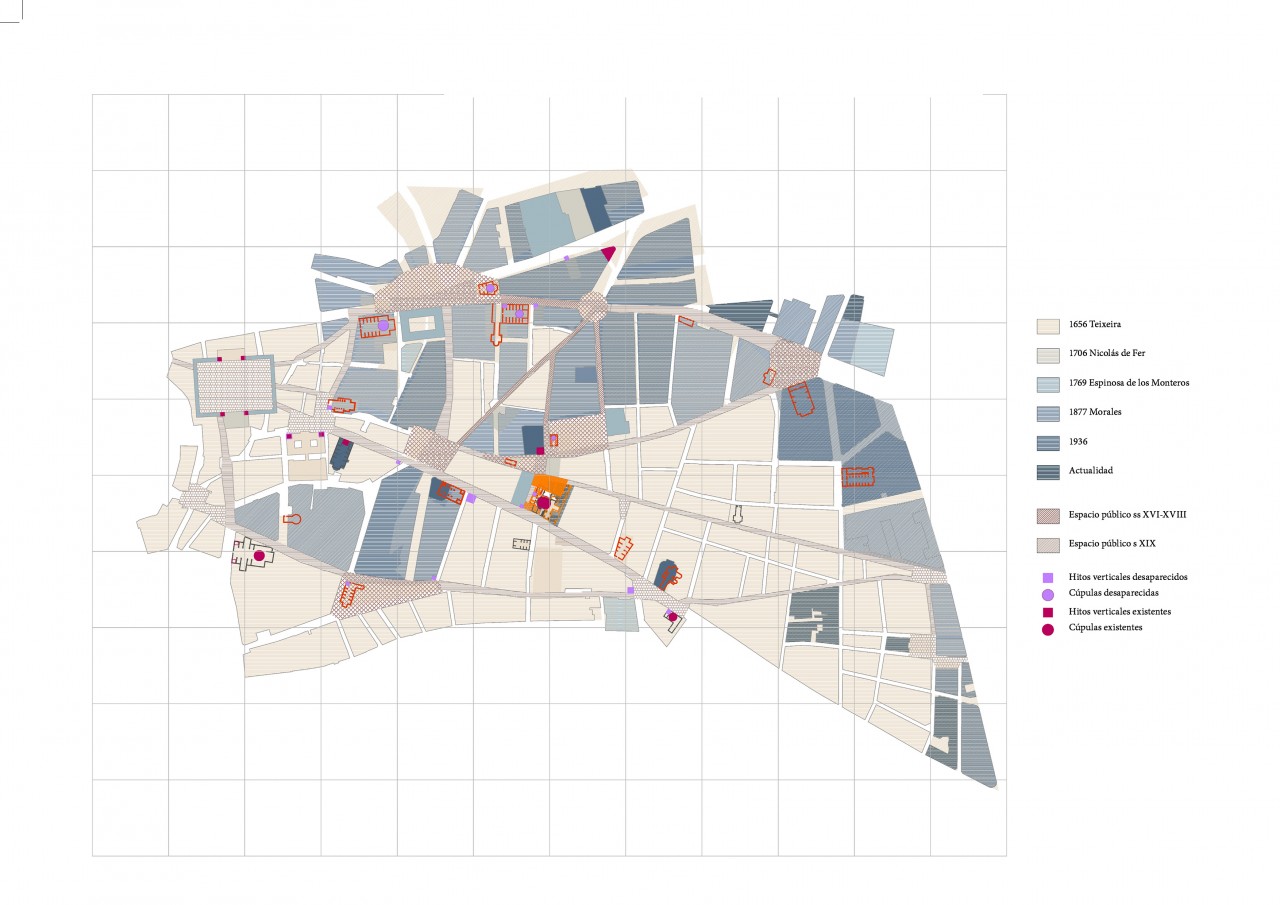
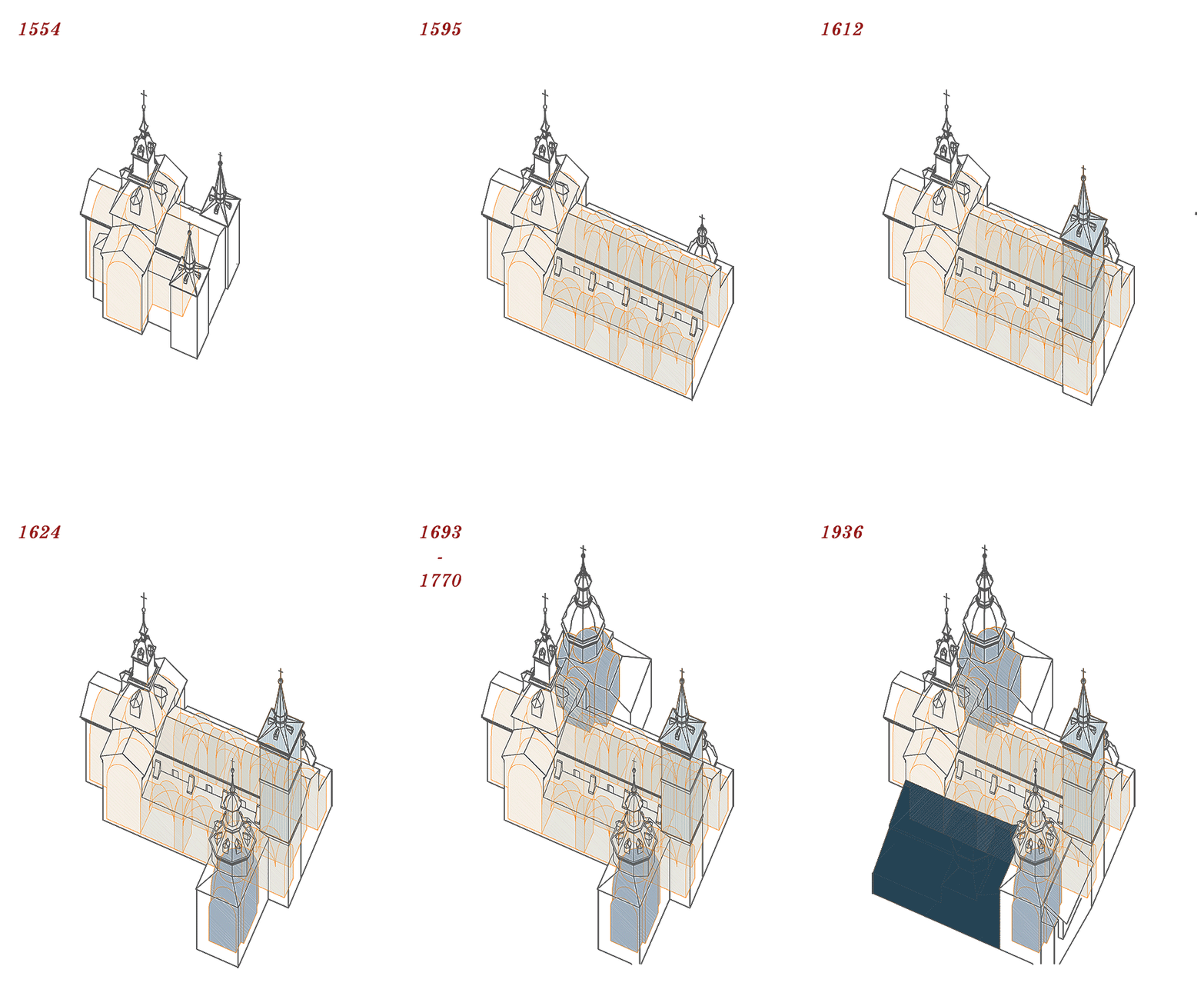
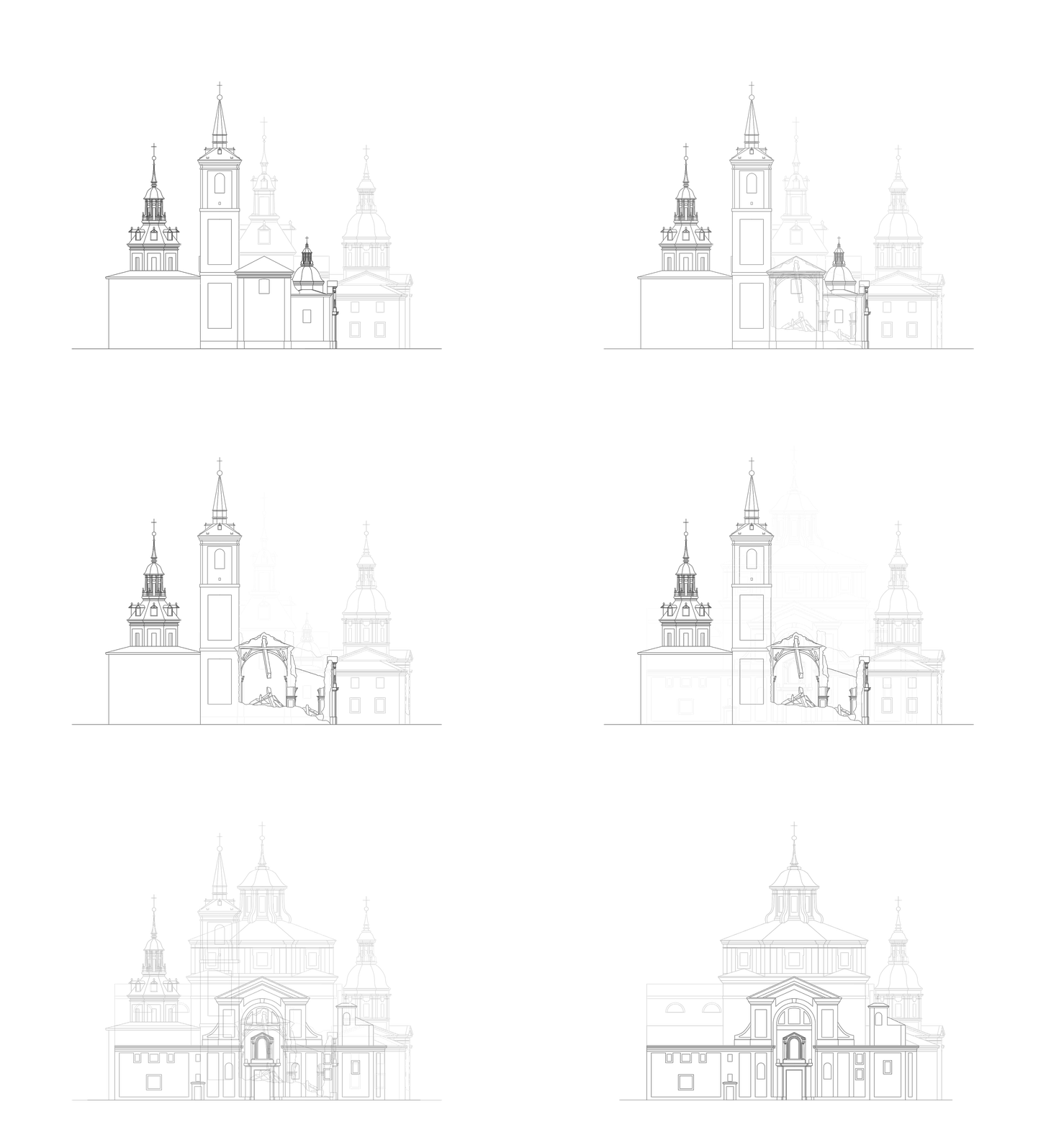
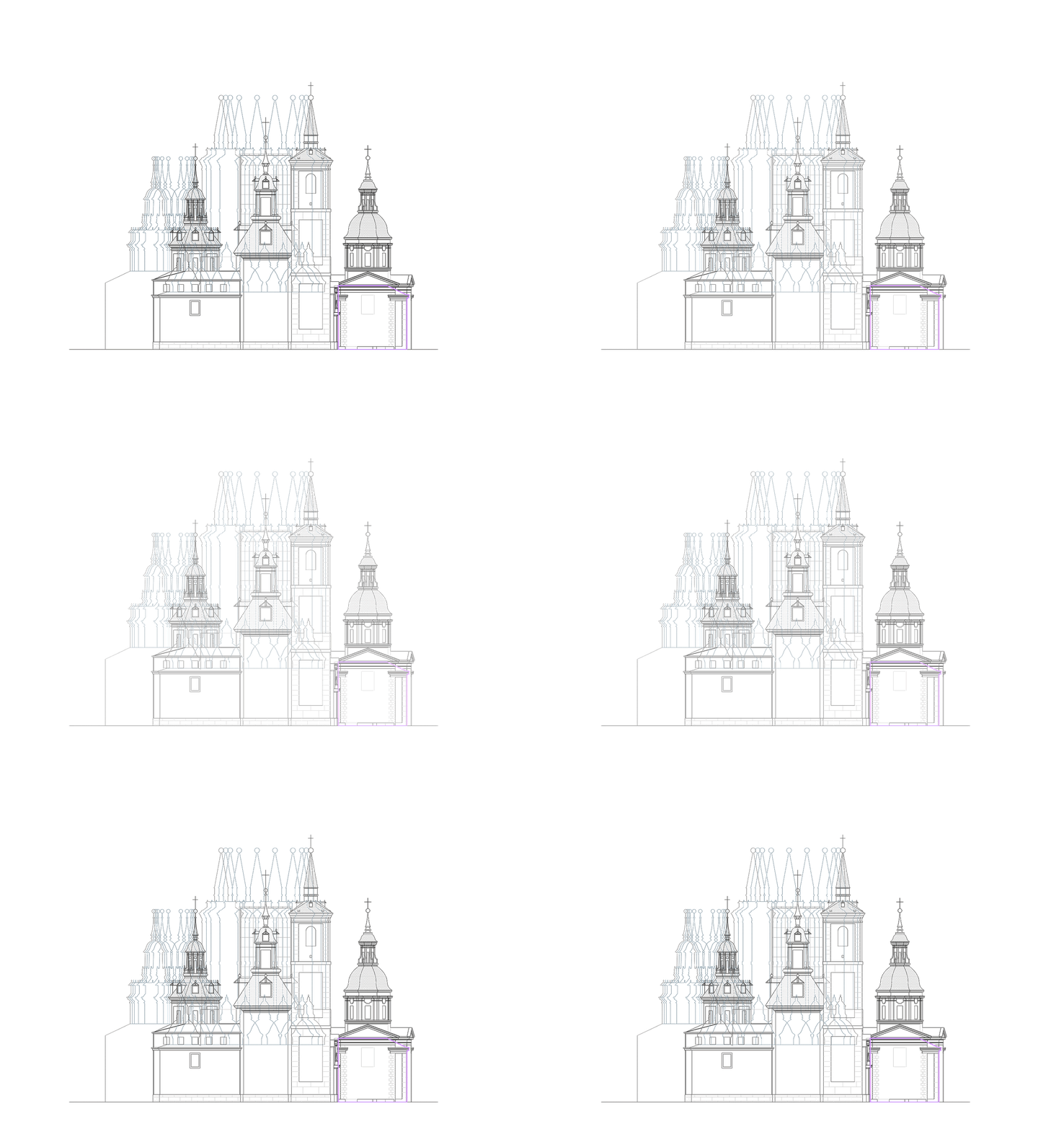
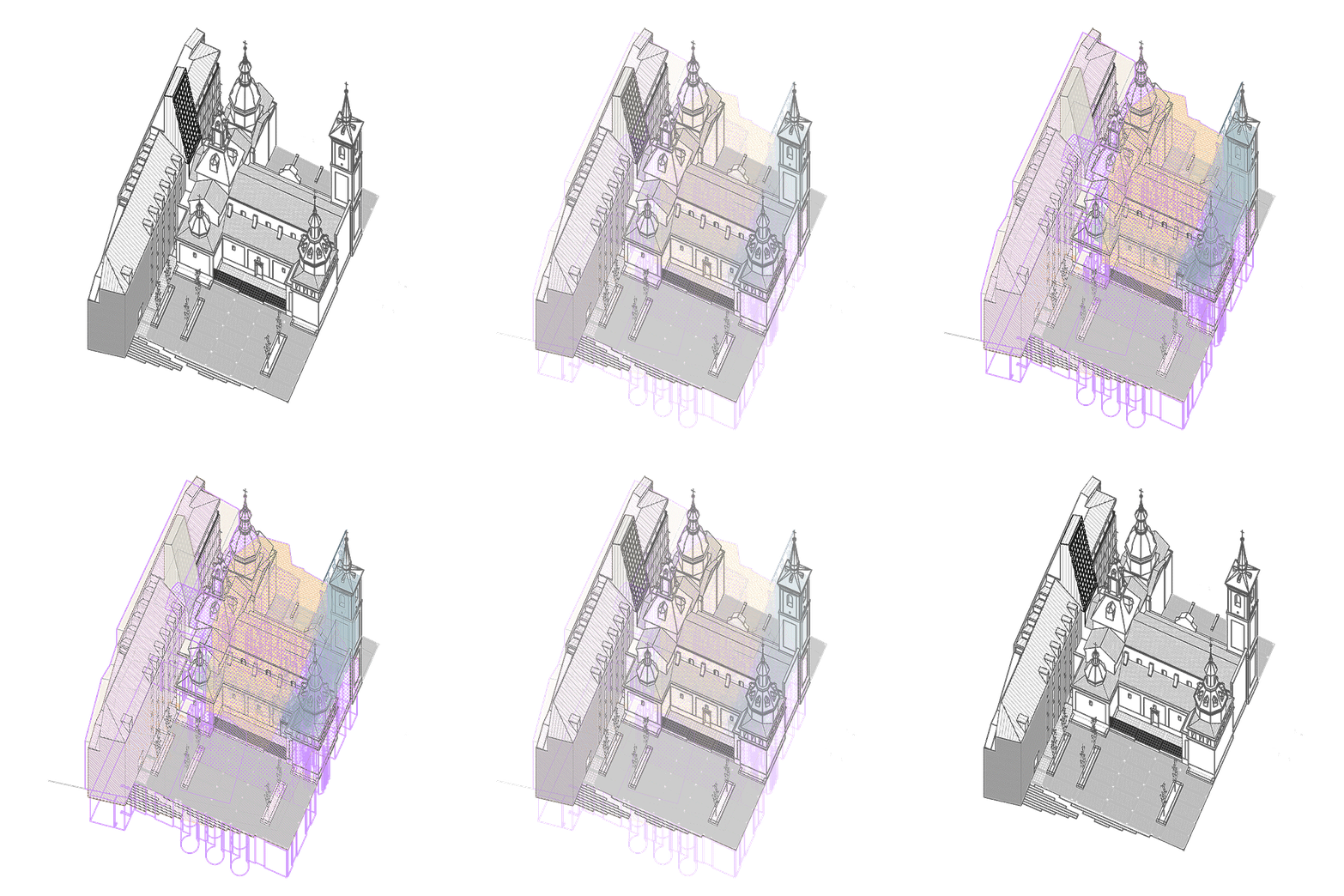
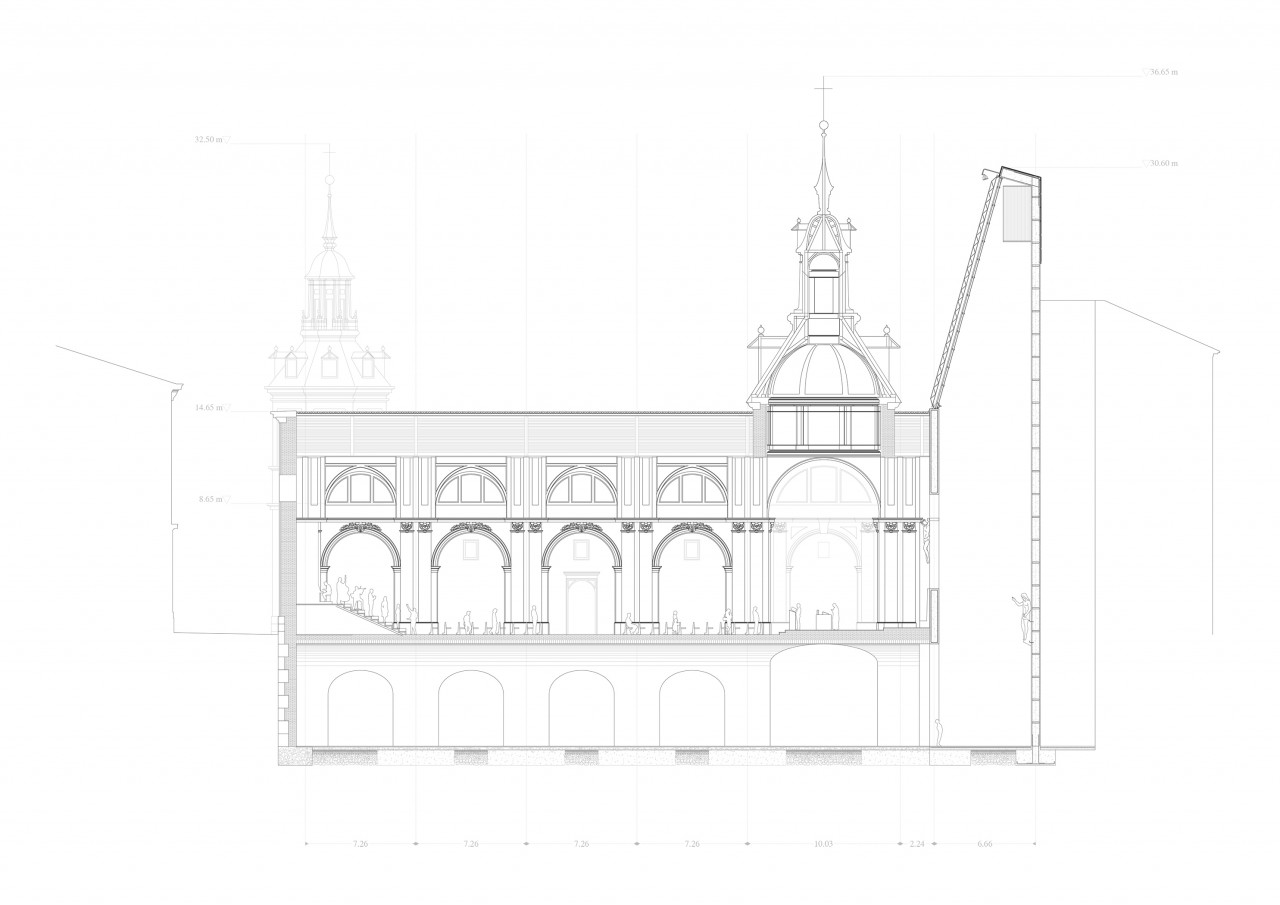
The church of San Sebastián in Atocha, of the 16th century, is reconstructed with the original technology after studying it deeply. But the waters that Lope mentions run forward, and give rise to the contemporary intervention on the altar of the church -which will include a piece that stands out inside the monument, a large volume of light-, and the environment, currently very deteriorated.
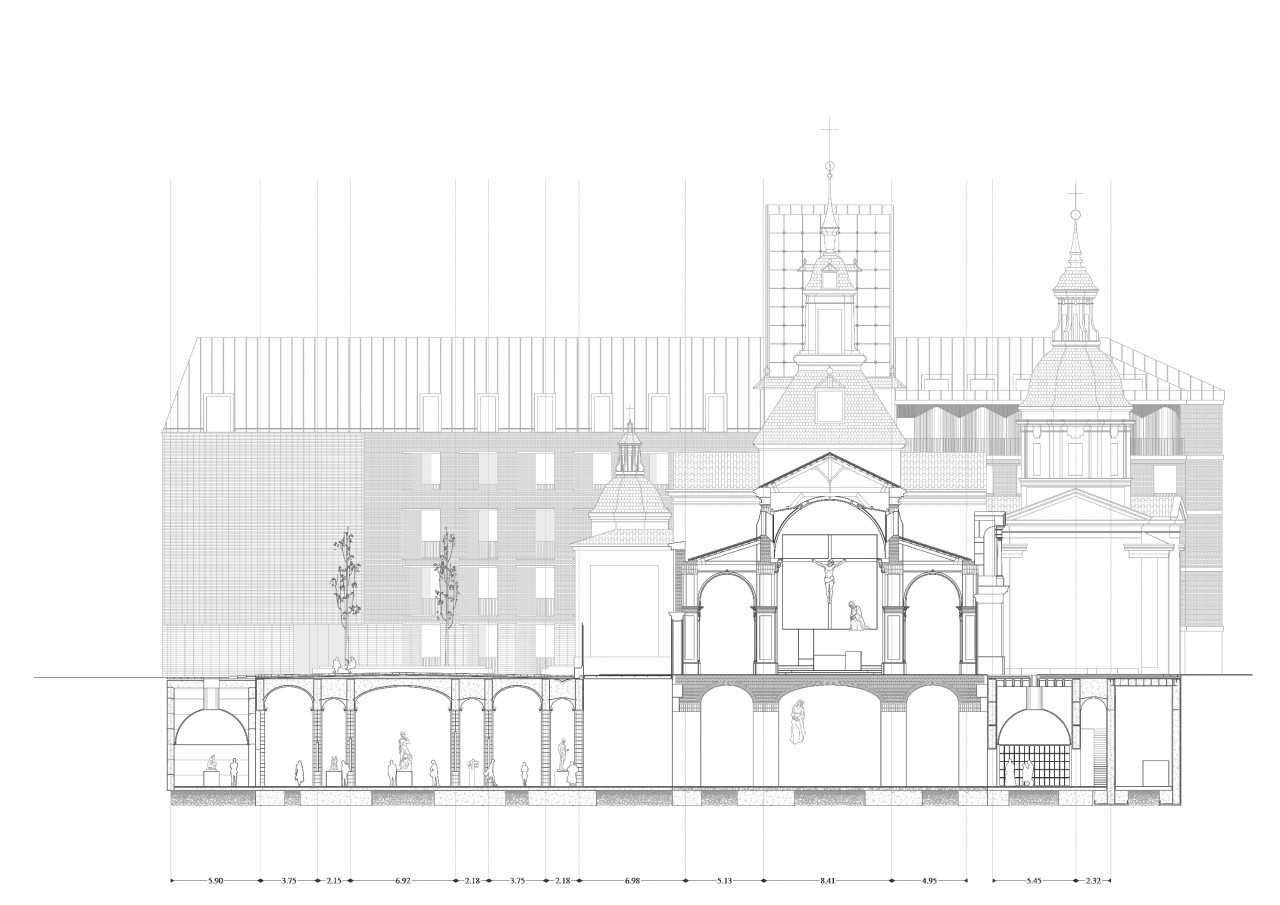
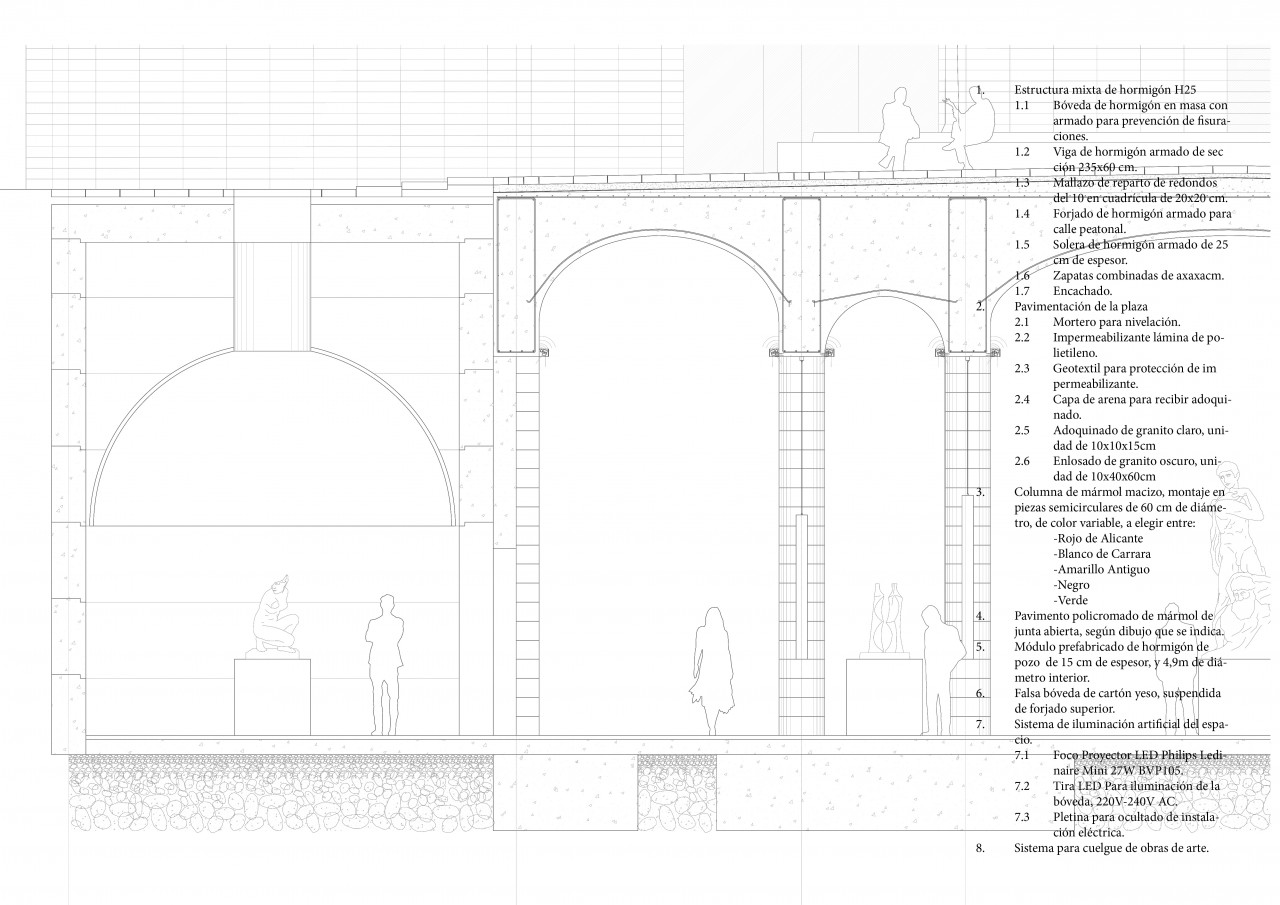
Two new squares arise. One is located above the cemetery where so many illustrious figures were buried -one of them is precisely Lope de Vega. There, to honor this memory, a museum is excavated, which will have a monumental character, connected to the crypt of the church.
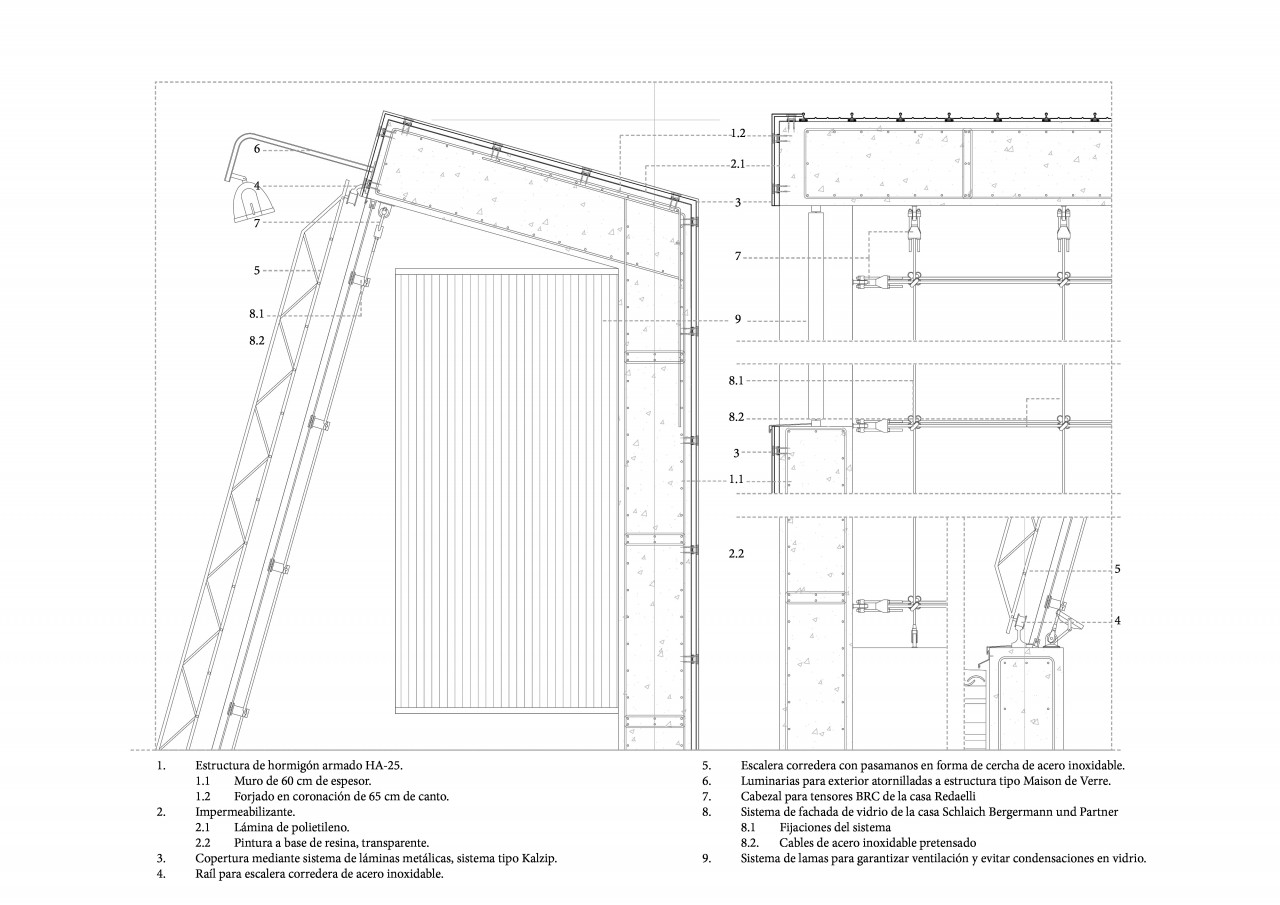
Above ground, the main purpose is not to rob protagonism to the monument, the protagonist. Thus, in spite of the discreet character, the modern technology leads to take care of the detail of the design of the envelope, especially in the windows.
That discretion does not mean that there you cannot find some remarkable spaces in the coronation of these buildings: a historical archive with unique skylights and a house with zigzagging windows, which make up a kind of “loggia”.
A project with great density of history, architecture and technologies from different times. Anyway, the unit has set itself the goal to achieve. Unity that is harmony in each of the parts, and of these with the whole. Harmony where at this moment there is chaos. Harmony with the present, but also with the past and with the future. Because the rivers in their environment generate life, continuity, and not rupture. Because, as is natural, "at the end of the thousand years, the waters return by the way they usually go".
“Al cabo de los años mil, vuelven las aguas por do suelen ir”
Lope de Vega
The verse by Lope de Vega perfectly illustrates the intention of the project: to heal a point in the city of Madrid from the perspective of its cultural and urban history.
The church of San Sebastián in Atocha, of the 16th century, is reconstructed with the original technology after studying it deeply. But the waters that Lope mentions run forward, and give rise to the contemporary intervention on the altar of the church -which will include a piece that stands out inside the monument, a large volume of light-, and the environment, currently very deteriorated.
Two new squares arise. One is located above the cemetery where so many illustrious figures were buried -one of them is precisely Lope de Vega. There, to honor this memory, a museum is excavated, which will have a monumental character, connected to the crypt of the church.
Above ground, the main purpose is not to rob protagonism to the monument, the protagonist. Thus, in spite of the discreet character, the modern technology leads to take care of the detail of the design of the envelope, especially in the windows.
That discretion does not mean that there you cannot find some remarkable spaces in the coronation of these buildings: a historical archive with unique skylights and a house with zigzagging windows, which make up a kind of “loggia”.
A project with great density of history, architecture and technologies from different times. Anyway, the unit has set itself the goal to achieve. Unity that is harmony in each of the parts, and of these with the whole. Harmony where at this moment there is chaos. Harmony with the present, but also with the past and with the future. Because the rivers in their environment generate life, continuity, and not rupture. Because, as is natural, "at the end of the thousand years, the waters return by the way they usually go".

- 00 - Description
- 01 - The neighbourhood
- 02 - The old church
- 03 - The destruction
- 04 - Critical renaissance
- 05 - Project decisions
- 06 - The new church
- 07 - The light volume
- 08 - Church & Museum
- 09 - Museum detail
- 10 - Window ofnewbuilding