
Milky Way
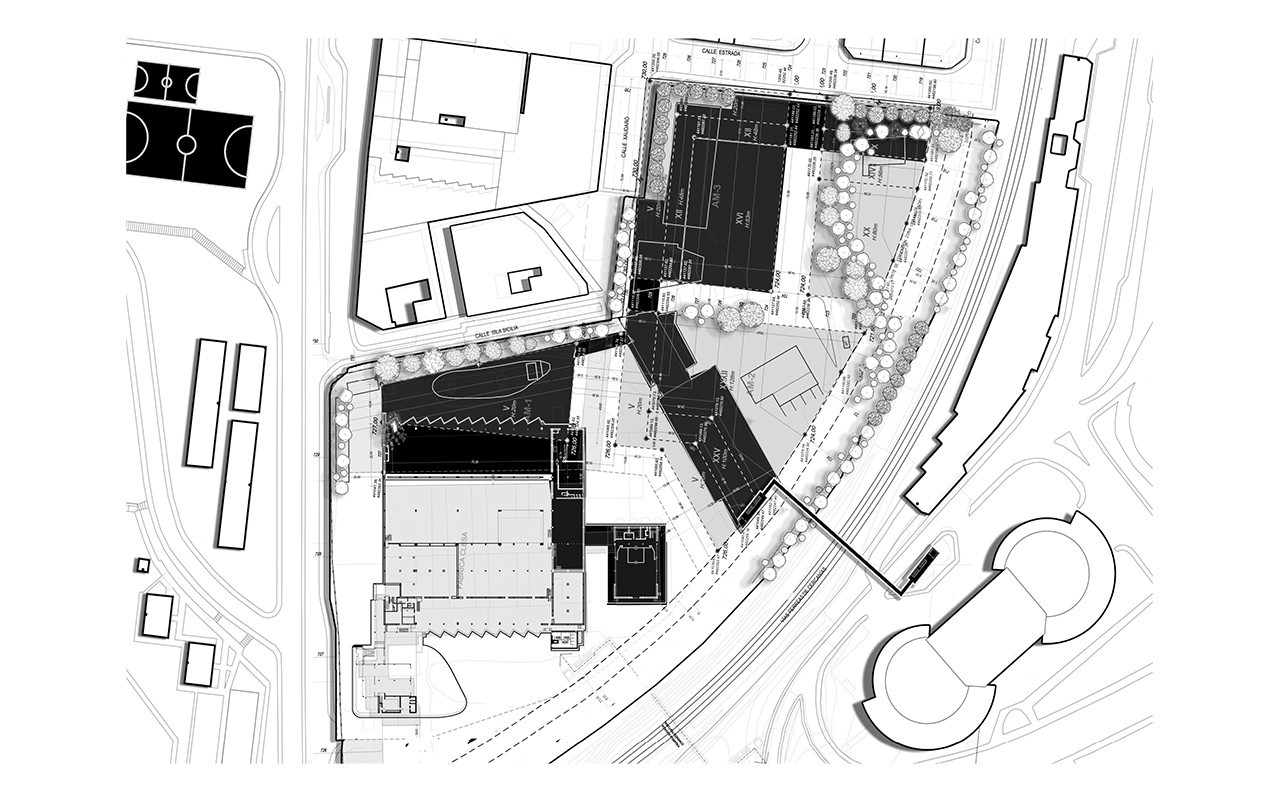
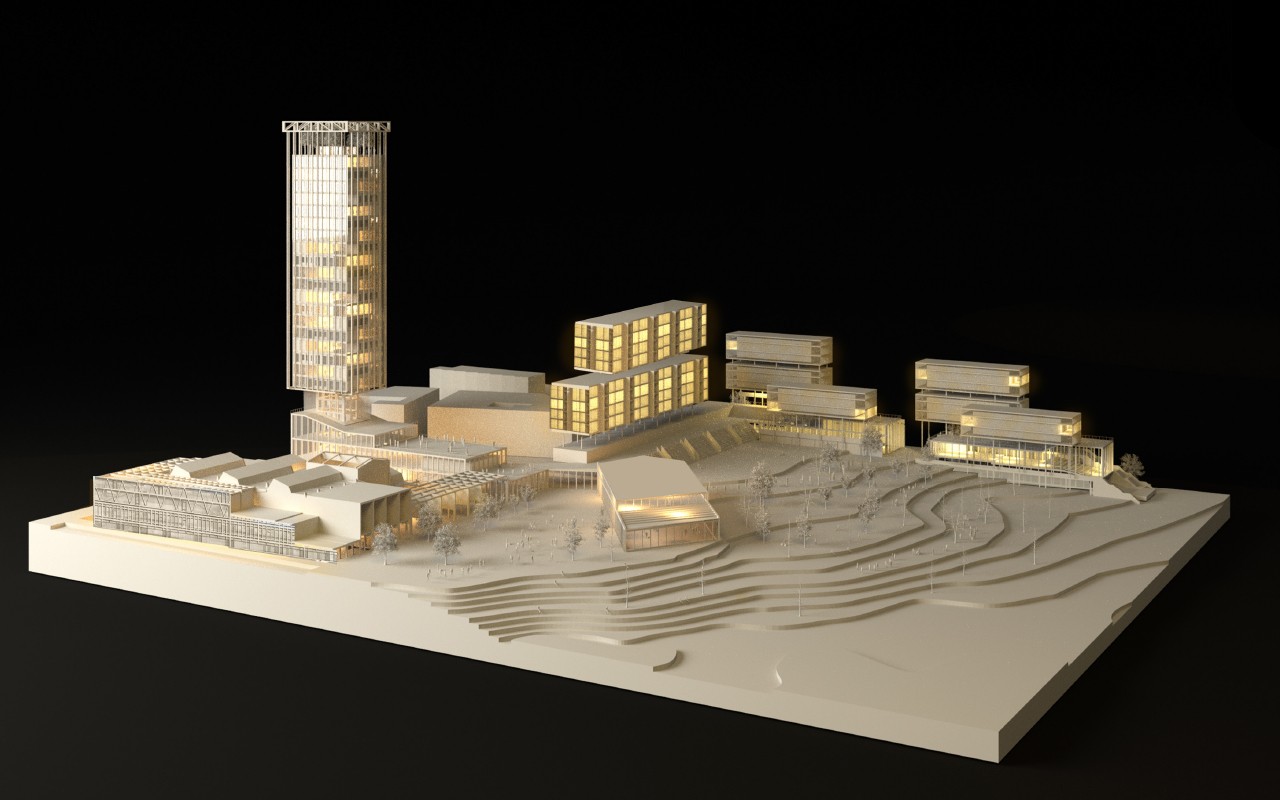
The ''Milky Way'' is a project that comes as a necessity to the work area's strategic importance in Madrid's northern development. Therefore, the infrastructural condition of the territory, the public spaces, the gaps between the buildings, and the natural connection of the complex with the city were crucial points for its design. The rehabilitated area was about 38,000 m2, and the surface of the new buildings could not exceed a maximum of 89,000 m2, as established by the punctual modification of the PGOUM.
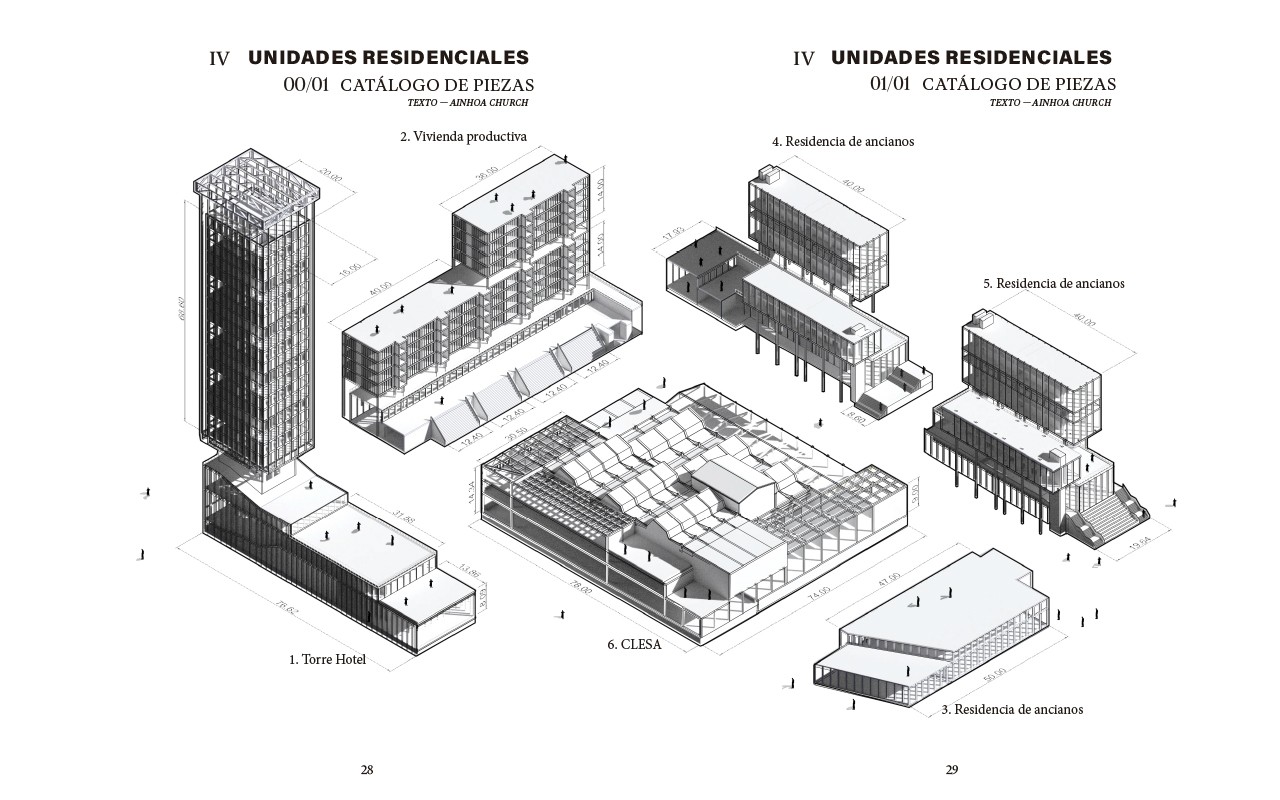
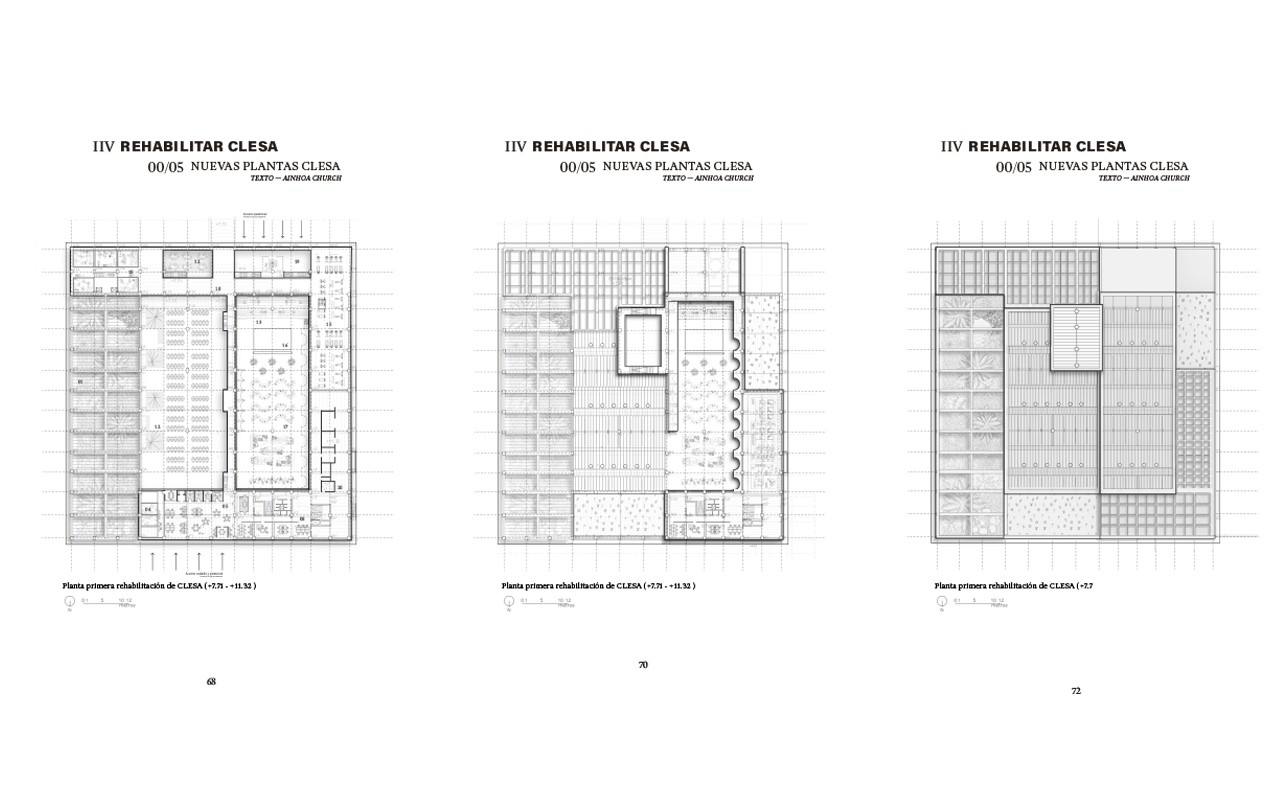
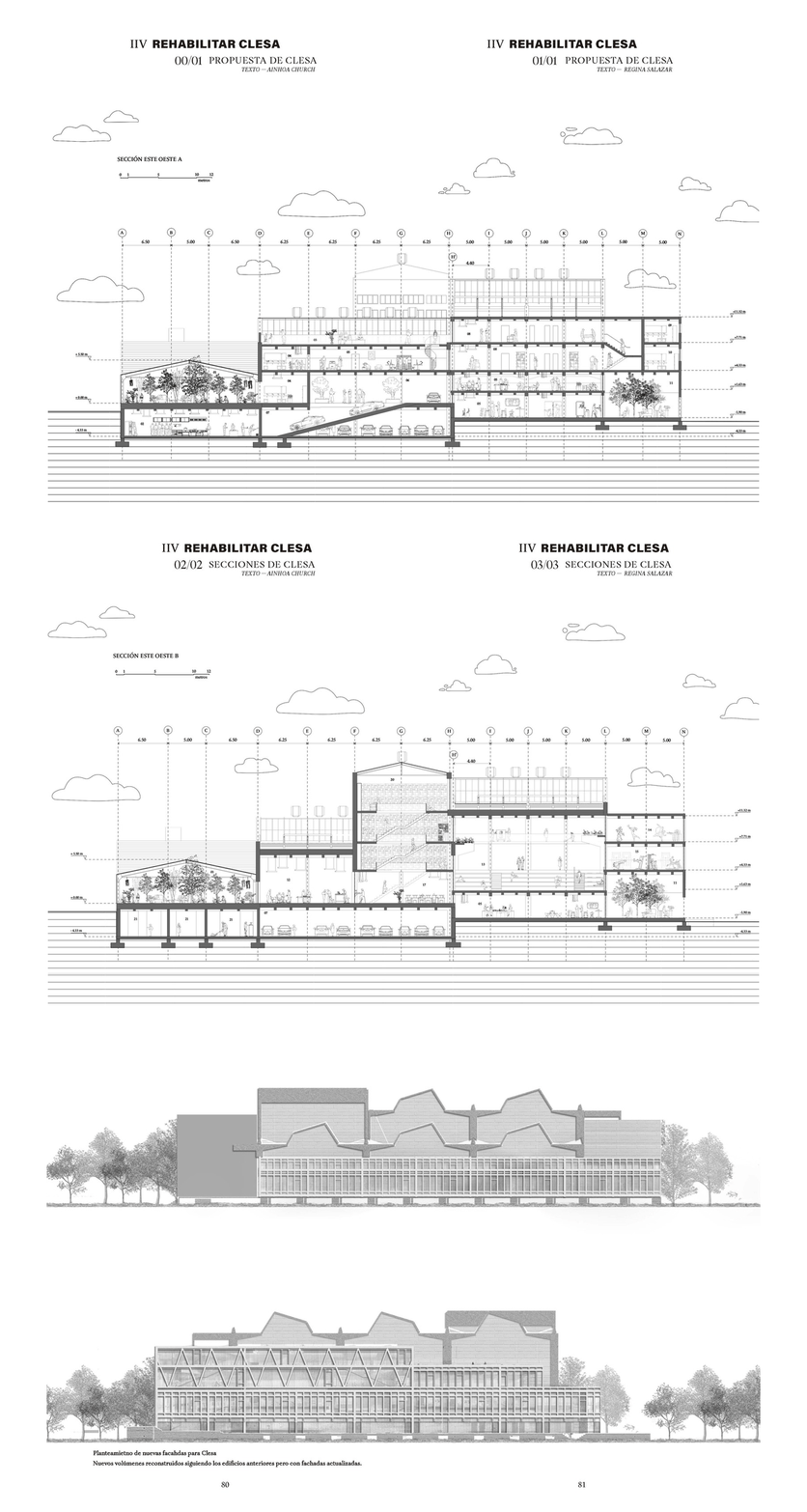
This proposal also intervenes in the rehabilitation of the dairy plant, with the implementation of cultural leisure and sports programs and the design of the entire remaining area. In addition, the project contemplates de design of productive housing (temporary and permanent), residences for the elderly and students, the remodelling of the Ramón y Cajal halt and the footbridge over the railway.
The Milky way proposes a unitary strategy for the entire complex, discussing a piece of the city resolved as a building. The urban landscaping design and the connection elements: walkways and vertical connectors were a substantial part of the urban proposal.
The program to develop is as follows:
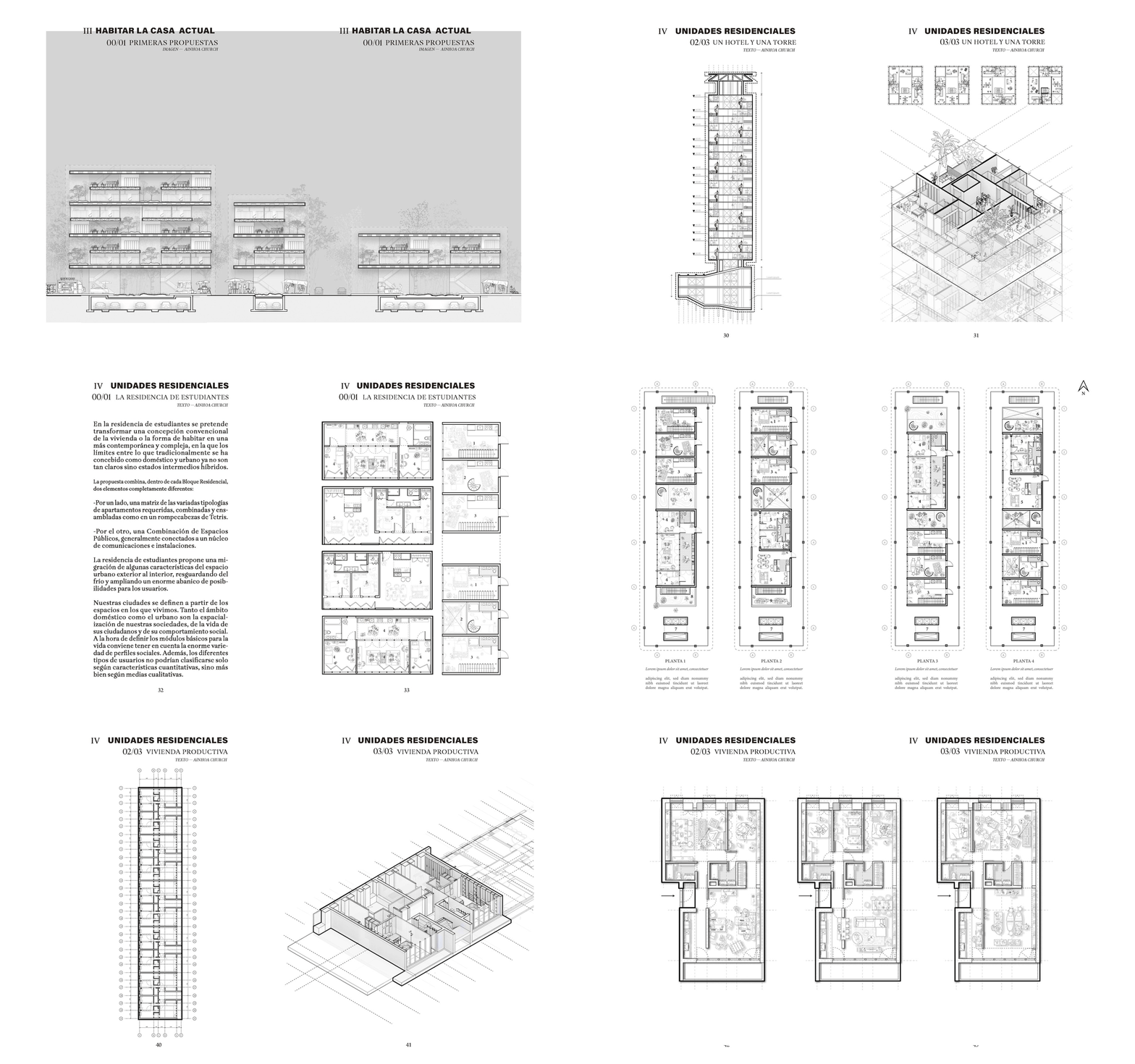
- Set of 200 dwellings for individuals and families.
- Hotel with 50 rooms designed as a tower.
-Student residence for 50 students.
- Residence for 50 elderly people.
From almost the beginning of the course, it was clear that I wanted my project to be on a more urban scale. Thanks to studying previous projects such as the Metrovacesa winner, Pedro Pitarch's ''Fábrica Cultural'' and the MPG documents, I developed a master plan that engaged me.
The Milky Way arises as an urban enhancer that allows activation of the neighbourhood thanks to the cultural and commercial vocation with which it is conceived. It also provides the city with a new experience as a pedestrian. This urban cluster serves as an integrator of the multiple system pieces and functions as a separate entity.
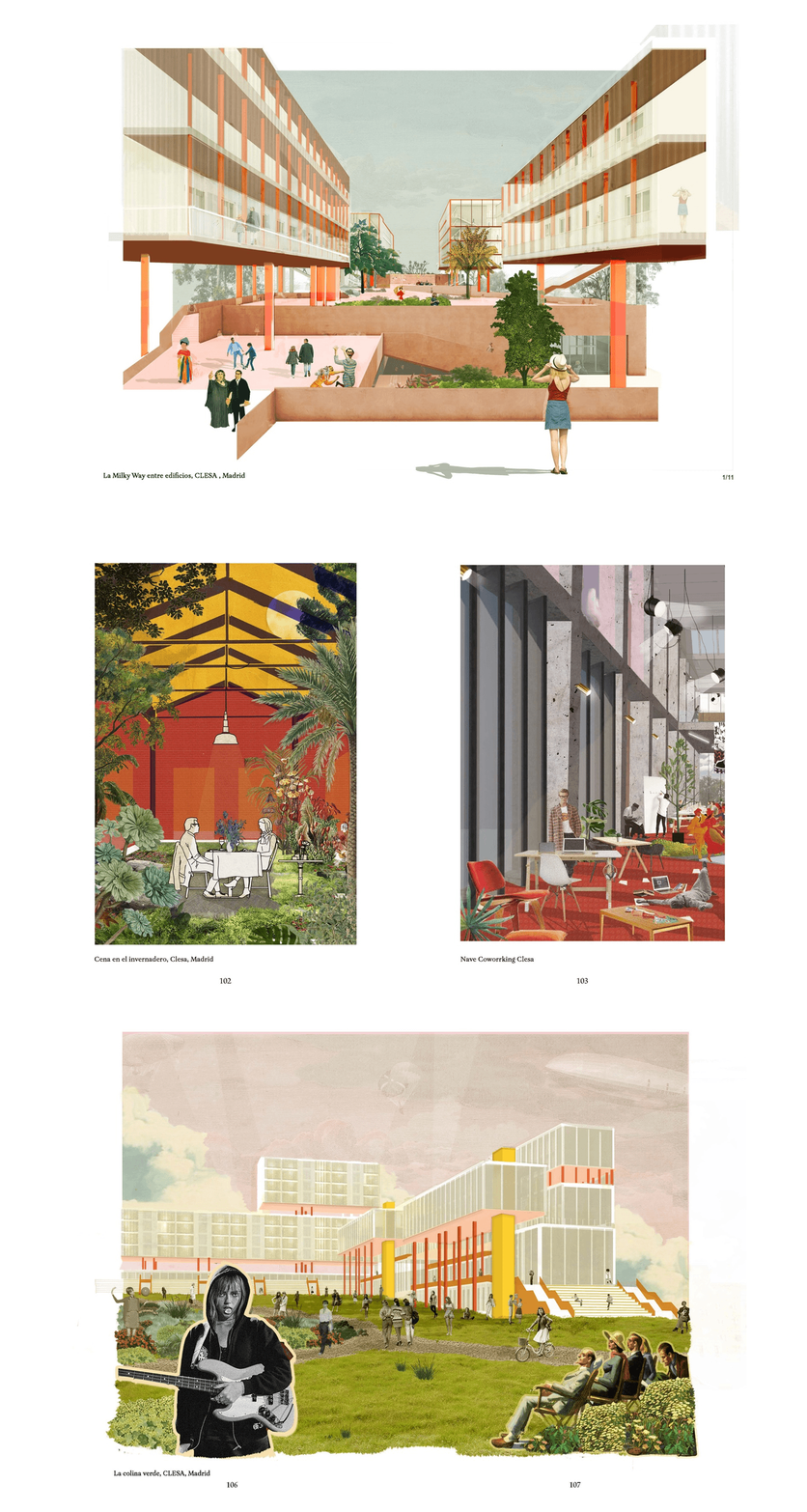
It is designed as an elaborate topographic route (due to the site where we are working) of great complexity. We find cafeterias, bleachers, skylights, parks, gardens, and performative spaces along its route. It also aims to be accessible to all, having several vertical connectors of different natures (stairs, ramps and elevators)
The distribution of the programs and the design of the heights responds to an analysis of the environment. Due to the understanding of the environment and the pieces it was going to include; the Milky Way begins to create itself. Each area of the Milky Way is tailor-made, maximizing its features, although it follows the same idea throughout it.
Thinking about how people would use it, the flows and the hours of use, the activities are strategically placed. With this, we get a living building throughout the day instead of a bipolar space (day and night). The highest floors will house the functions with a purpose and a more significant duration, activating all the building areas. This is why the project achieves an urban scale beyond the different residential units previously exposed.
This proposal also intervenes in the rehabilitation of the dairy plant, with the implementation of cultural leisure and sports programs and the design of the entire remaining area. In addition, the project contemplates de design of productive housing (temporary and permanent), residences for the elderly and students, the remodelling of the Ramón y Cajal halt and the footbridge over the railway.
The Milky way proposes a unitary strategy for the entire complex, discussing a piece of the city resolved as a building. The urban landscaping design and the connection elements: walkways and vertical connectors were a substantial part of the urban proposal.
The program to develop is as follows:
- Set of 200 dwellings for individuals and families.
- Hotel with 50 rooms designed as a tower.
-Student residence for 50 students.
- Residence for 50 elderly people.
From almost the beginning of the course, it was clear that I wanted my project to be on a more urban scale. Thanks to studying previous projects such as the Metrovacesa winner, Pedro Pitarch's ''Fábrica Cultural'' and the MPG documents, I developed a master plan that engaged me.
The Milky Way arises as an urban enhancer that allows activation of the neighbourhood thanks to the cultural and commercial vocation with which it is conceived. It also provides the city with a new experience as a pedestrian. This urban cluster serves as an integrator of the multiple system pieces and functions as a separate entity.
It is designed as an elaborate topographic route (due to the site where we are working) of great complexity. We find cafeterias, bleachers, skylights, parks, gardens, and performative spaces along its route. It also aims to be accessible to all, having several vertical connectors of different natures (stairs, ramps and elevators)
The distribution of the programs and the design of the heights responds to an analysis of the environment. Due to the understanding of the environment and the pieces it was going to include; the Milky Way begins to create itself. Each area of the Milky Way is tailor-made, maximizing its features, although it follows the same idea throughout it.
Thinking about how people would use it, the flows and the hours of use, the activities are strategically placed. With this, we get a living building throughout the day instead of a bipolar space (day and night). The highest floors will house the functions with a purpose and a more significant duration, activating all the building areas. This is why the project achieves an urban scale beyond the different residential units previously exposed.

- 00 - Description
- 01 - Clesa Axon
- 02 - Master Plan
- 03 - Building Catalog
- 04 - Residential Units
- 05 - Clesa Floor Plans
- 06 - Project Sections
- 07 - Collages
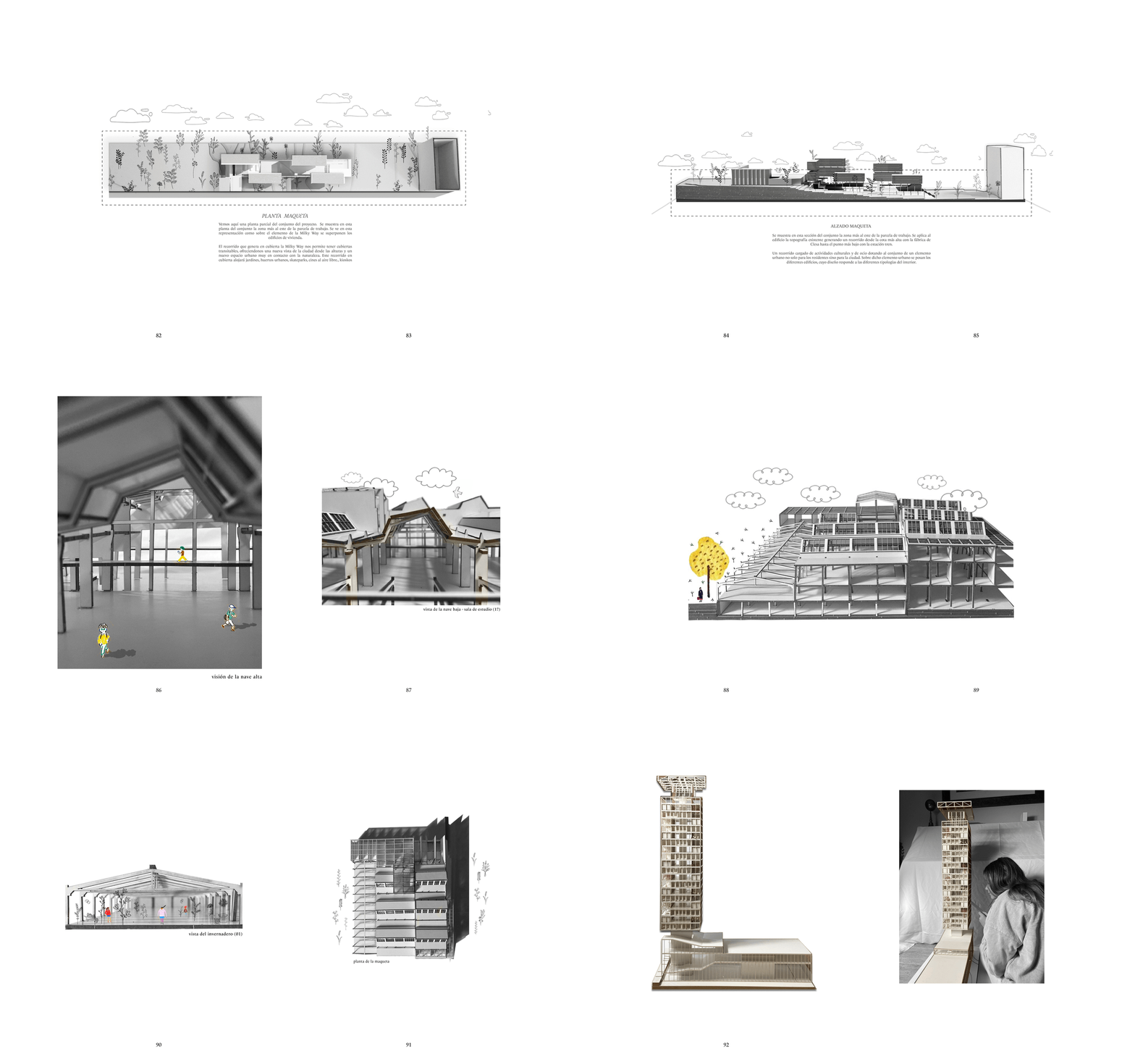
- 08 - Building Models
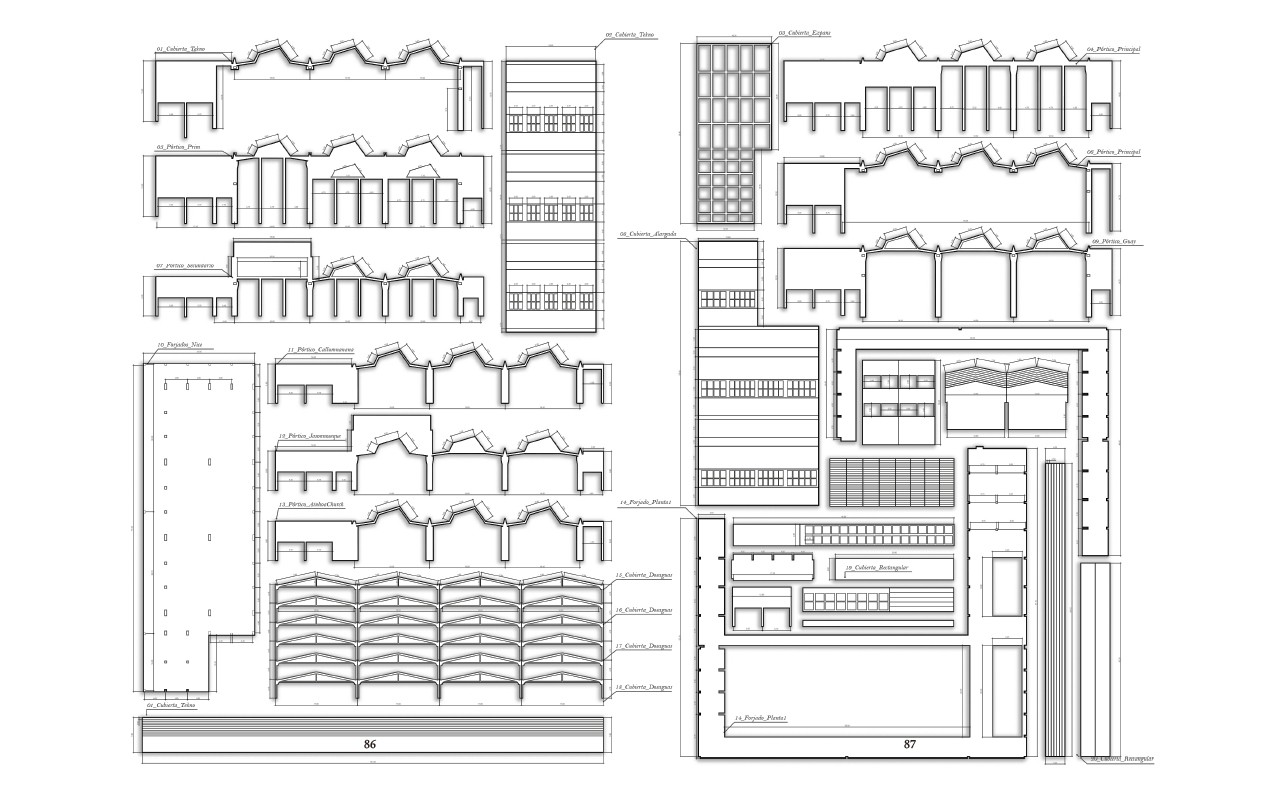
- 09 - Laser Cut Design
- 10 - Final Milky Way View
- 11 - Video