
MyIronLung
Developed with Paula Muñoz Garrido and Ramiro Cuende Quintero.
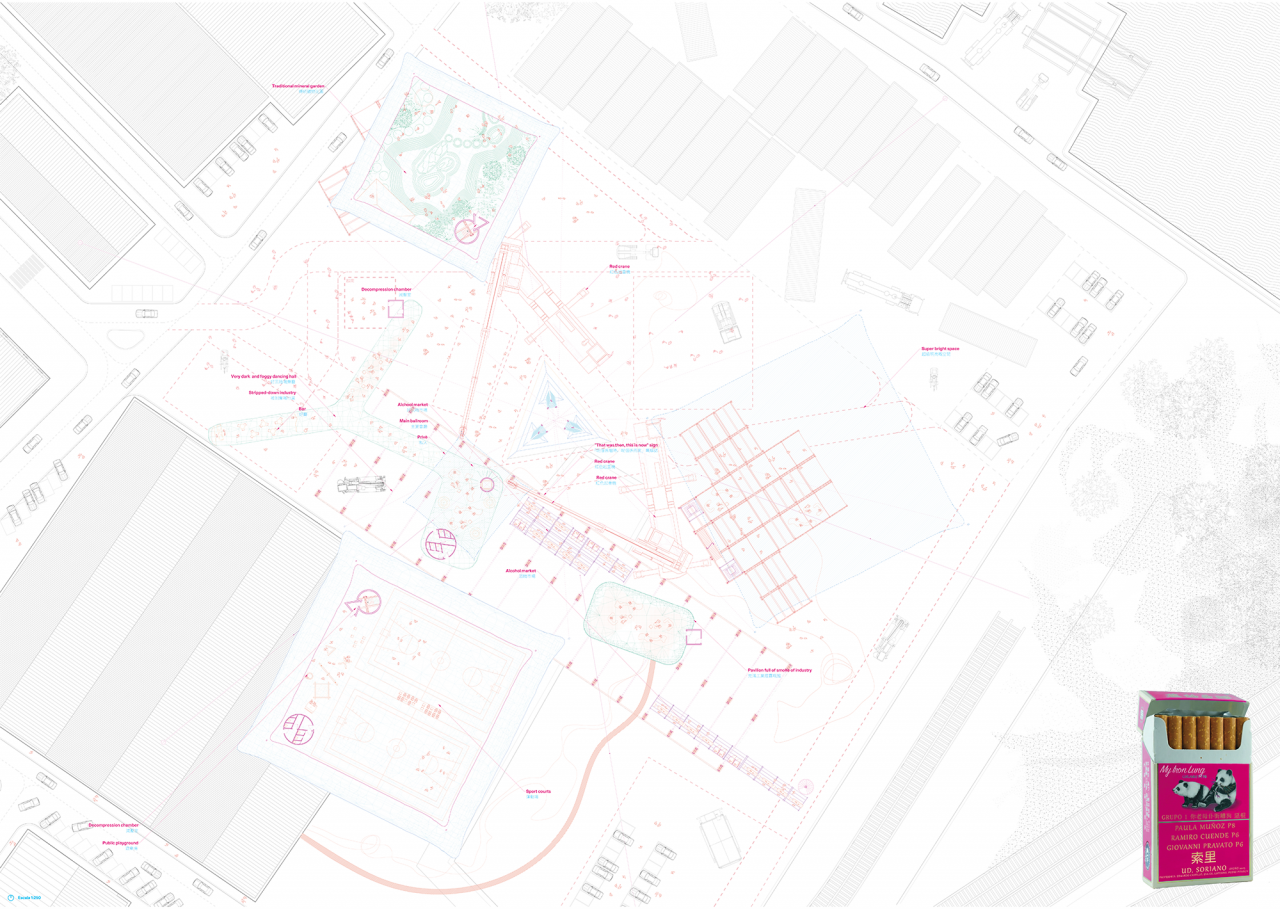
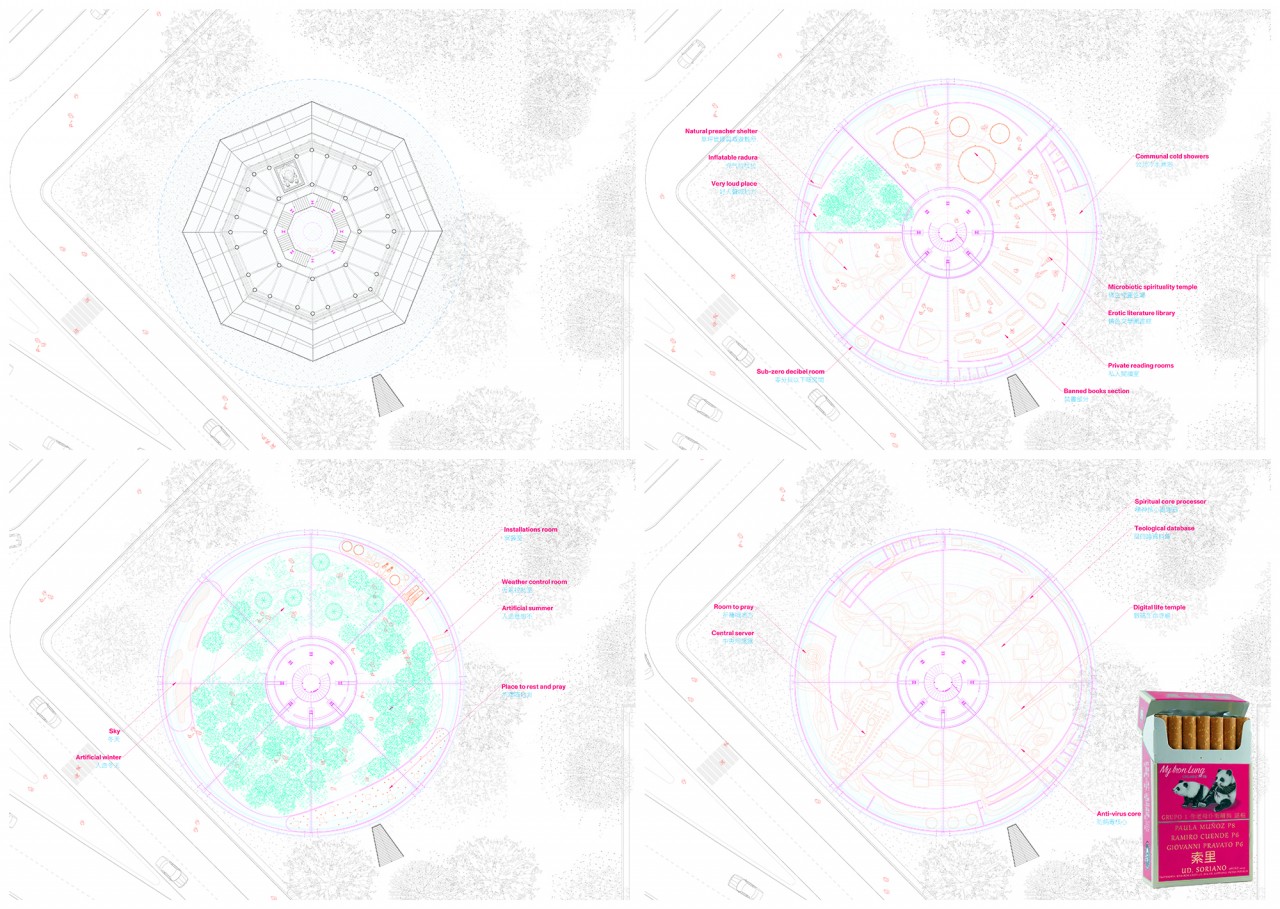
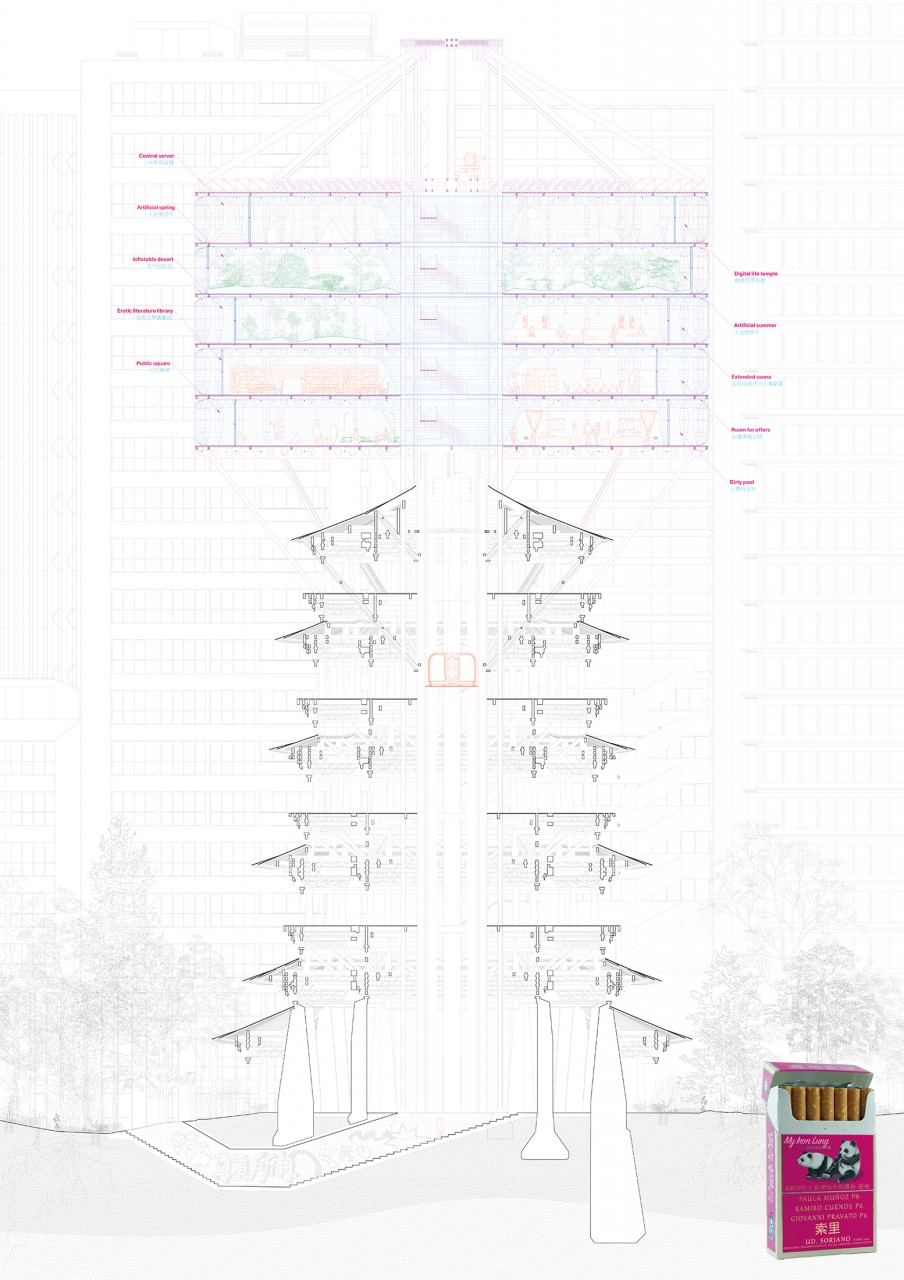
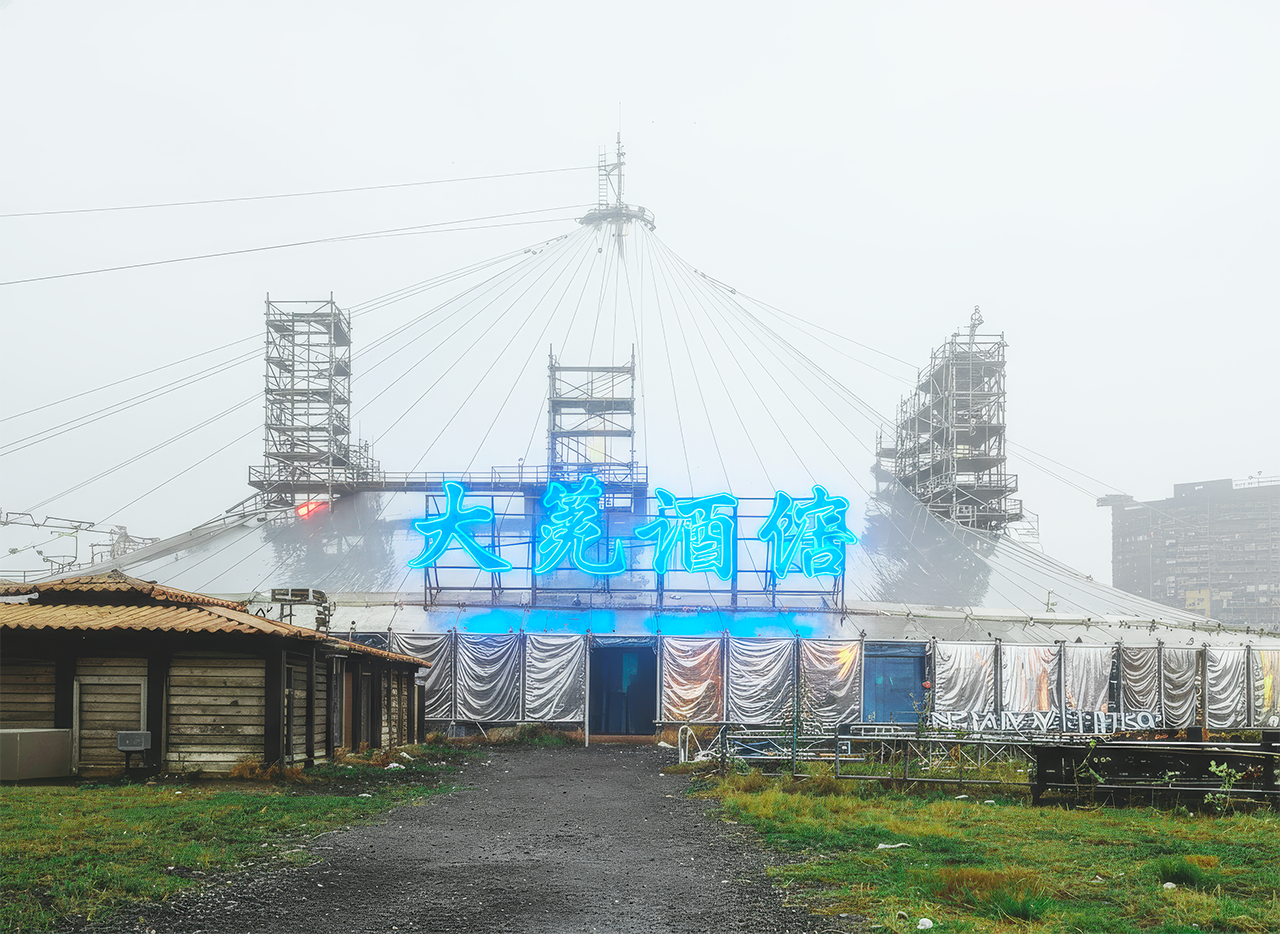
Addressing a context as distant as that of Guangzhou has forced us to confront the city’s complexities from a dual perspective. On one hand, an interest in the palimpsest and the consolidated city, which required focusing our attention on the typological and morphological forms of what already exists. On the other, an equal curiosity for working with temporary, common, and potentially self-buildable construction systems. All of this led us to observe the project through a "double gaze", developing the work around two extremely divergent issues. To this end, we selected four sites that allowed us to operate with the most disparate tools: an industrial area stripped of its past function and transformed into a community center; a traditional temple to be endowed with new, more complex and remote forms of spirituality; a residential context provided with a more sophisticated level of public engagement; and, finally, an urban village transformed into a place of leisure and lust for the local population, reclaiming its impoverished social condition. Like an Iron Lung, those devices permit to the sick places to stay alive.
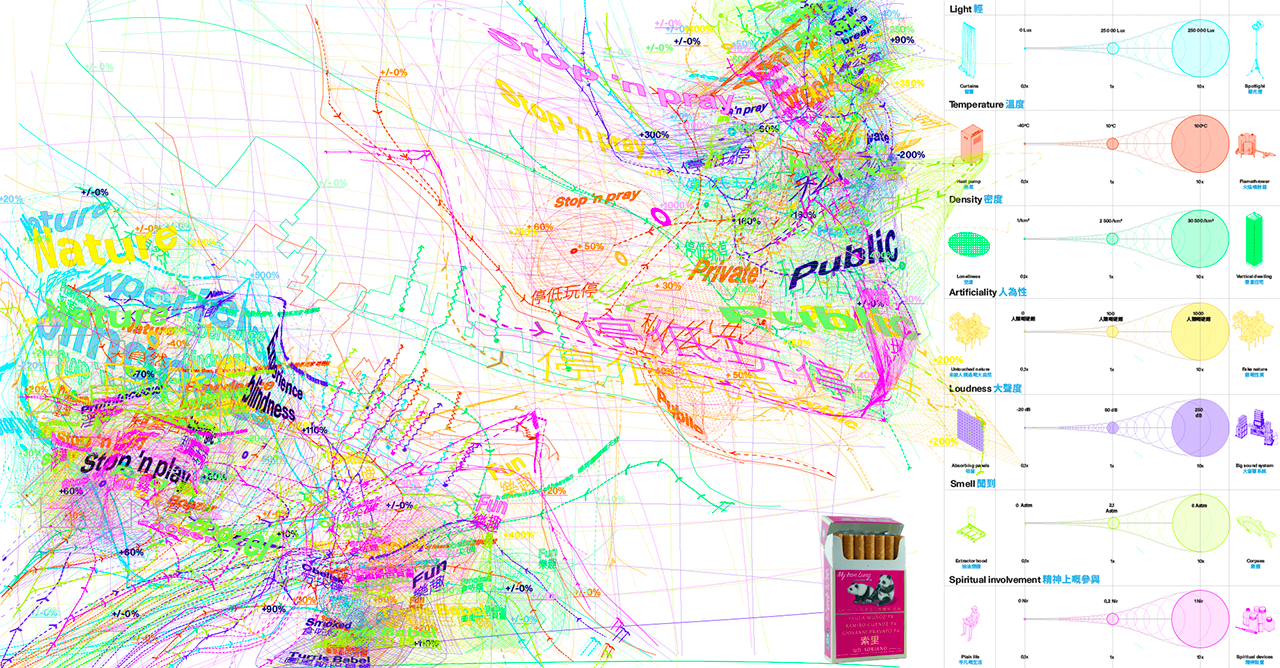
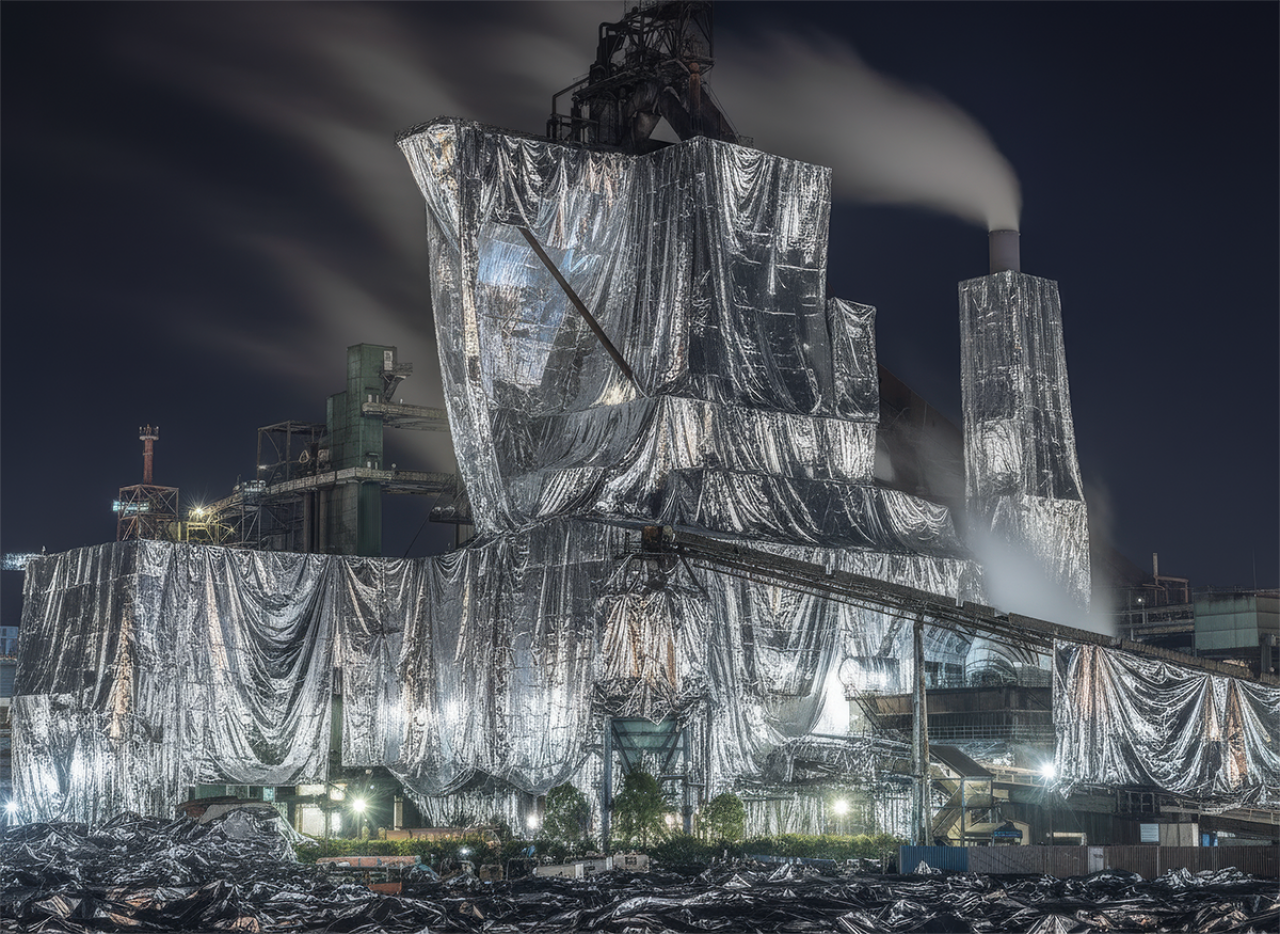
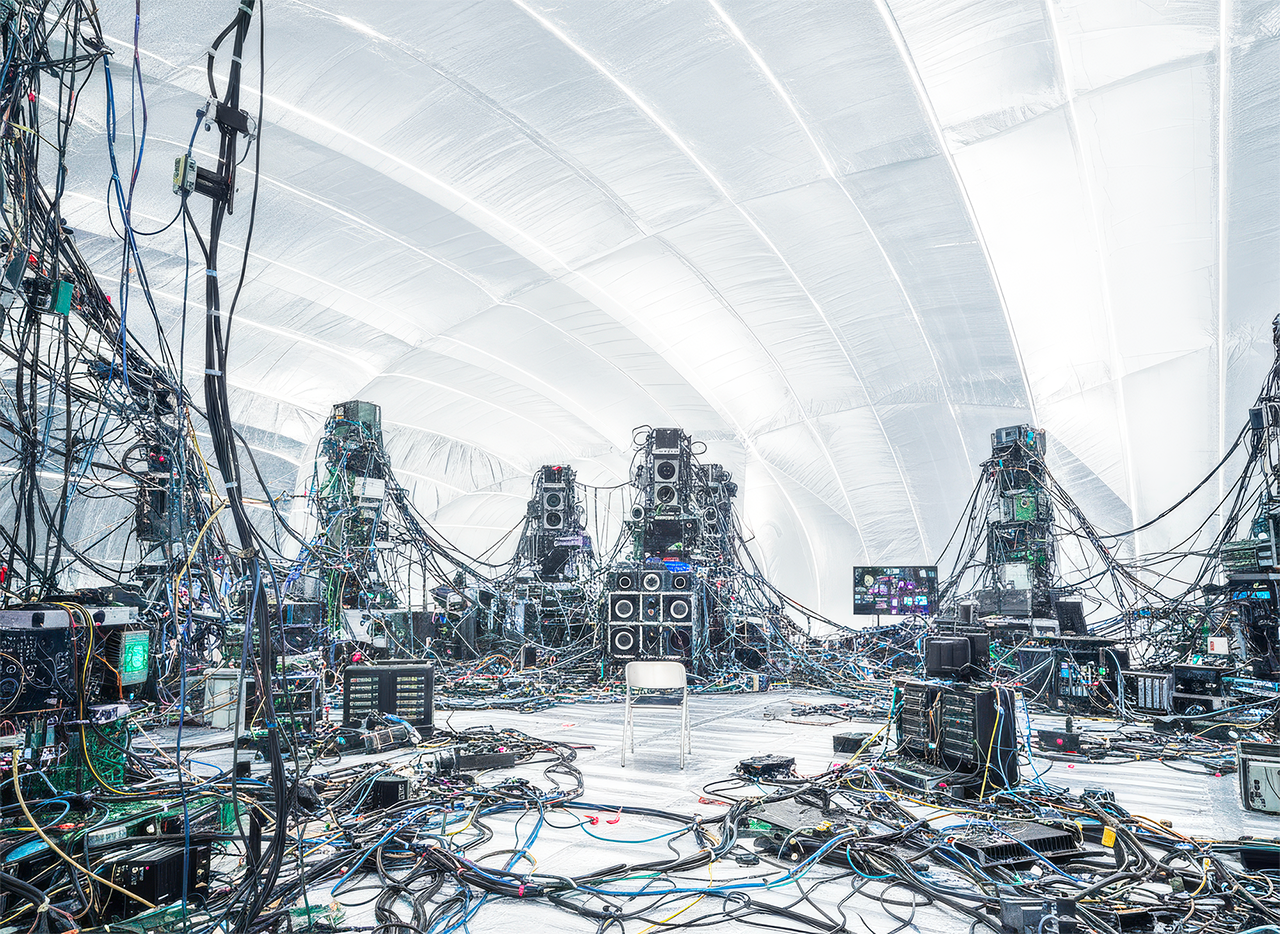
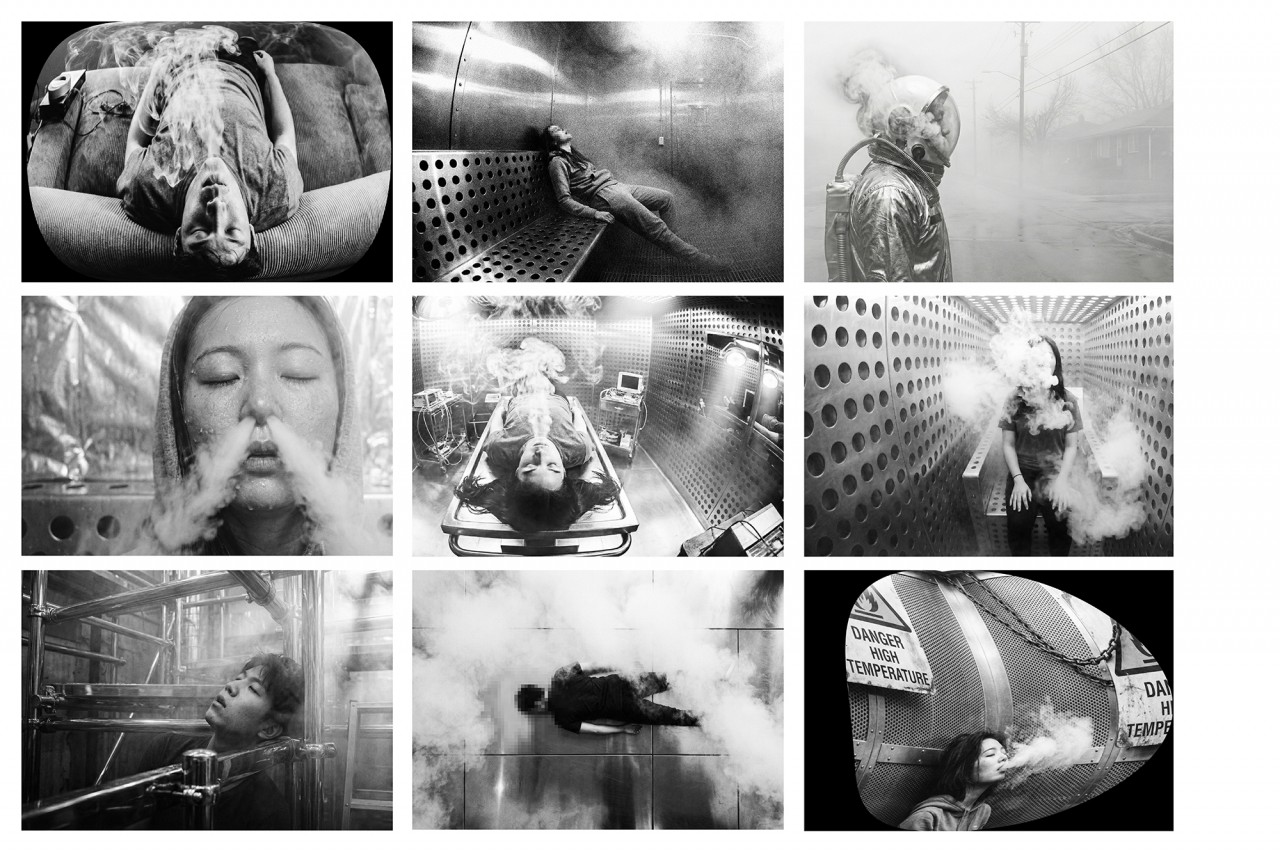
The primary vehicle for uniting this disparate system: sensations. Deforming space and time through this device has constituted a method upon which to base the project's program, which aspires to alternate—in an extreme manner—spaces that stimulate the senses in the most diverse ways. In this sense, AI has become a fundamental tool for defining the atmosphere and the devices useful for such a purpose, for both the designer and the observer. To achieve this, the AI was trained using a database composed of extensive information and numerous photographs—nearly 500 photos by Rory Gardiner. This allowed for the refinement of architectural issues in detail, carefully selecting results and modifying them to find the atmosphere most faithful to our intentions. Design decisions regarding technological devices and the accumulation of physical-technical data to achieve certain atmospheres and sensations were modulated by oscillating between drawing and image: from the 1:1 detail to the masterplan, simultaneously modulating every decision through multiple media.
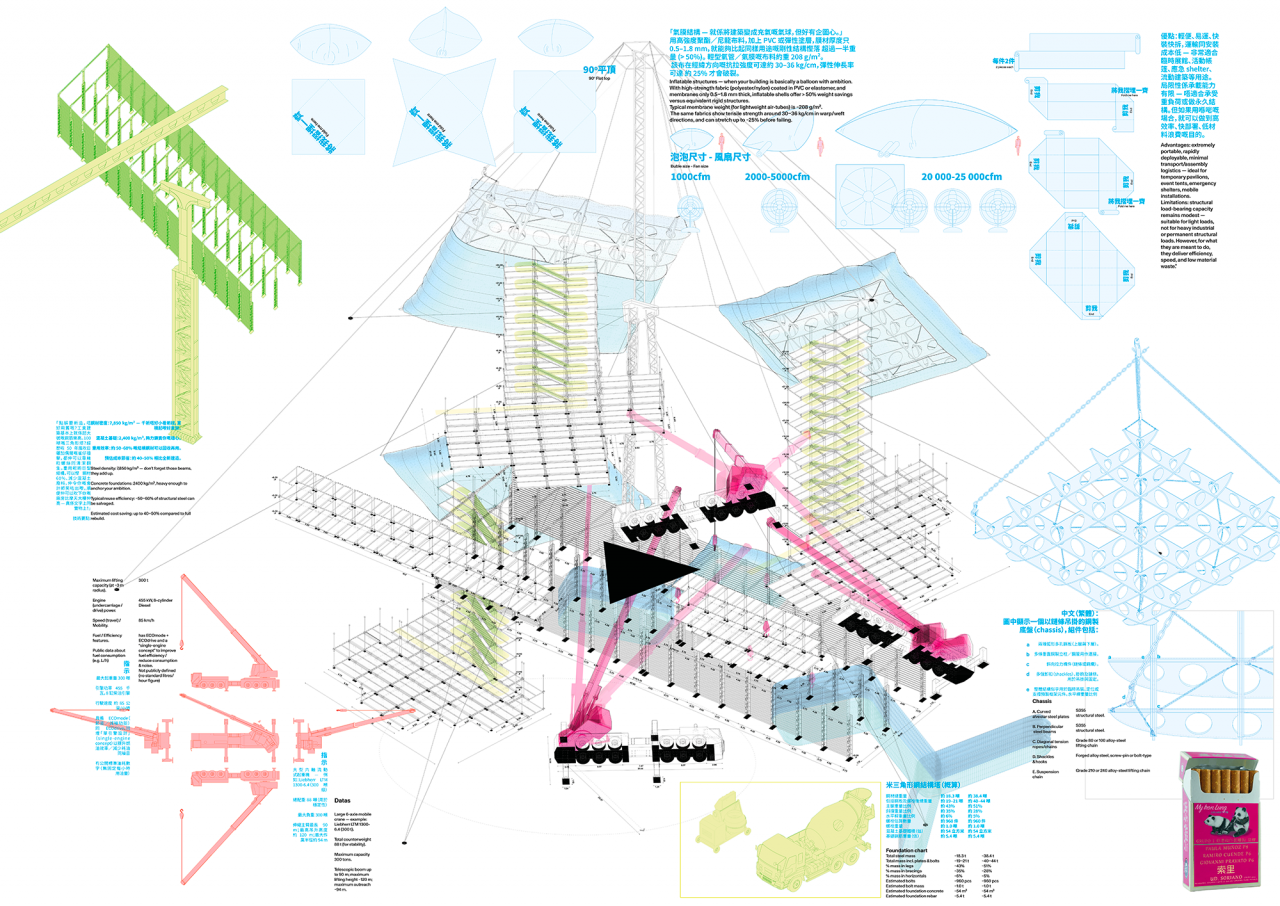
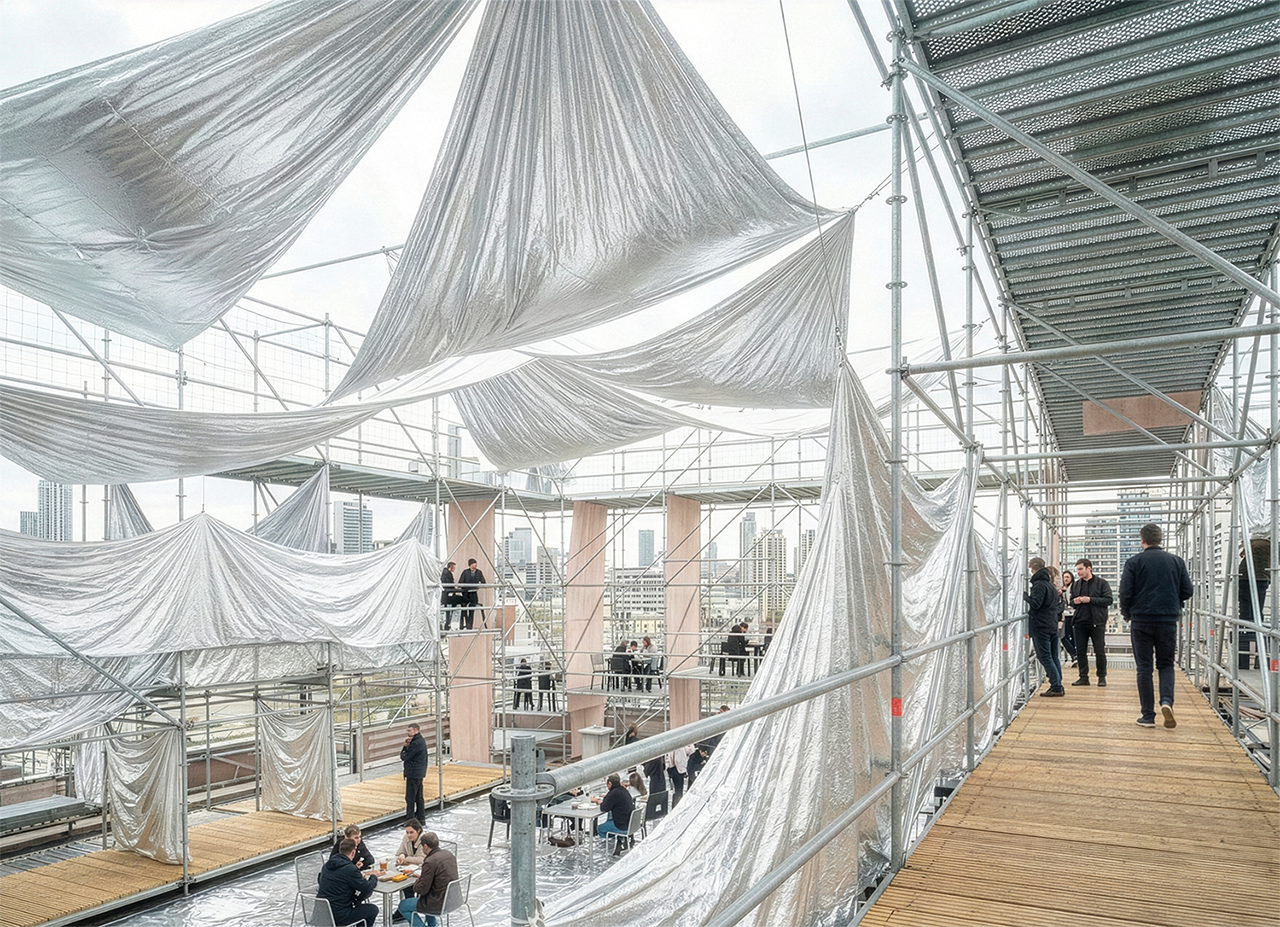
Therefore, understanding the morphology and architectural instruments of the place has allowed us to distill the main elements onto which these parasitic figures can be grafted. By using site-specific and common materials, the result is a raw, dry architecture that utilizes mobile and concrete elements from the context, such as cranes, and more flexible, widespread ones, such as inflatable bodies and steel structures. Ultimately, the project is configured as an exercise in mediation between the existing and the emerging, between the inherited city and its multiple possibilities for transformation. Finally, we believe it is important to highlight that the use of artificial intelligence is not merely a representational or aesthetic matter, but is integrated into the process as an operative instrument for the construction of atmospheres, allowing for the exploration of new relationships between space, body, and perception. Thus, architecture is established as a medium to produce meaning, intensity, and critique, rather than as a stable and definitive object.
Addressing a context as distant as that of Guangzhou has forced us to confront the city’s complexities from a dual perspective. On one hand, an interest in the palimpsest and the consolidated city, which required focusing our attention on the typological and morphological forms of what already exists. On the other, an equal curiosity for working with temporary, common, and potentially self-buildable construction systems. All of this led us to observe the project through a "double gaze", developing the work around two extremely divergent issues. To this end, we selected four sites that allowed us to operate with the most disparate tools: an industrial area stripped of its past function and transformed into a community center; a traditional temple to be endowed with new, more complex and remote forms of spirituality; a residential context provided with a more sophisticated level of public engagement; and, finally, an urban village transformed into a place of leisure and lust for the local population, reclaiming its impoverished social condition. Like an Iron Lung, those devices permit to the sick places to stay alive.
The primary vehicle for uniting this disparate system: sensations. Deforming space and time through this device has constituted a method upon which to base the project's program, which aspires to alternate—in an extreme manner—spaces that stimulate the senses in the most diverse ways. In this sense, AI has become a fundamental tool for defining the atmosphere and the devices useful for such a purpose, for both the designer and the observer. To achieve this, the AI was trained using a database composed of extensive information and numerous photographs—nearly 500 photos by Rory Gardiner. This allowed for the refinement of architectural issues in detail, carefully selecting results and modifying them to find the atmosphere most faithful to our intentions. Design decisions regarding technological devices and the accumulation of physical-technical data to achieve certain atmospheres and sensations were modulated by oscillating between drawing and image: from the 1:1 detail to the masterplan, simultaneously modulating every decision through multiple media.
Therefore, understanding the morphology and architectural instruments of the place has allowed us to distill the main elements onto which these parasitic figures can be grafted. By using site-specific and common materials, the result is a raw, dry architecture that utilizes mobile and concrete elements from the context, such as cranes, and more flexible, widespread ones, such as inflatable bodies and steel structures. Ultimately, the project is configured as an exercise in mediation between the existing and the emerging, between the inherited city and its multiple possibilities for transformation. Finally, we believe it is important to highlight that the use of artificial intelligence is not merely a representational or aesthetic matter, but is integrated into the process as an operative instrument for the construction of atmospheres, allowing for the exploration of new relationships between space, body, and perception. Thus, architecture is established as a medium to produce meaning, intensity, and critique, rather than as a stable and definitive object.
- 00 - Description
- 01 - MASTERPLAN
- 02 - PLAN_1
- 03 - AXO_1
- 04 - IMG_1
- 05 - PLAN_2
- 06 - SEC_2
- 07 - IMG_2
- 08 - IMG_3
- 09 - IMG_4
- 10 - POEMS
- 11 - Video