
Polychronic · Part 1
Polychronic · Part 1
In the midst of a search for a carbon -free form, all the preconceived systems are to be evaluated. The one that concerns us today is that regarding transport.
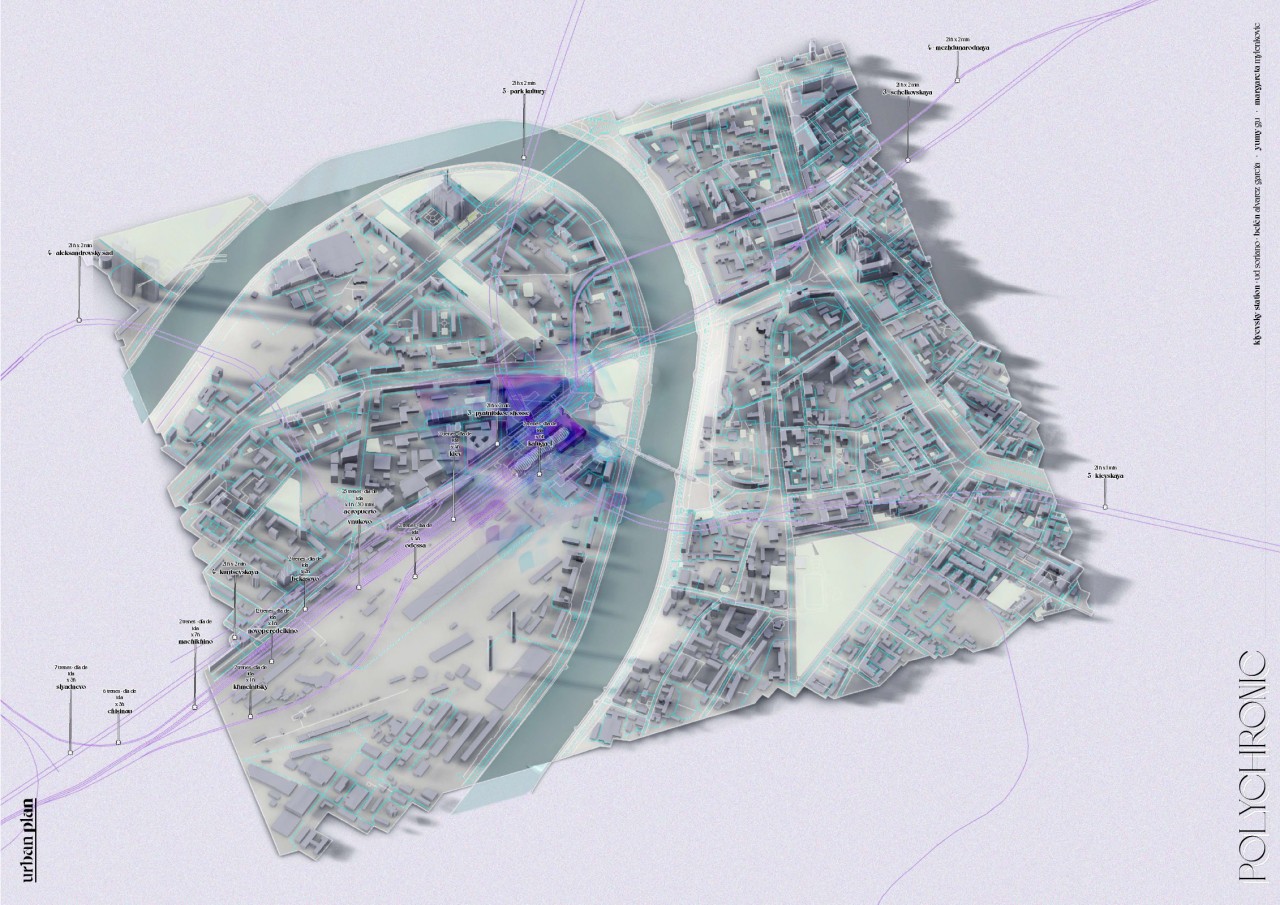
As we progress to new understandings of architecture, the carbon trails of the trains and the static connotation of the train stops is to be replaced with their re-definitions in regards to resources, movements in space, time schedules & density correlations.
The station is no more stationary: it has overcome its definition and nomenclature; now, it's dynamic, adaptable and unrepeatable in its shape and function, for it is in constant evolution and form-finding.
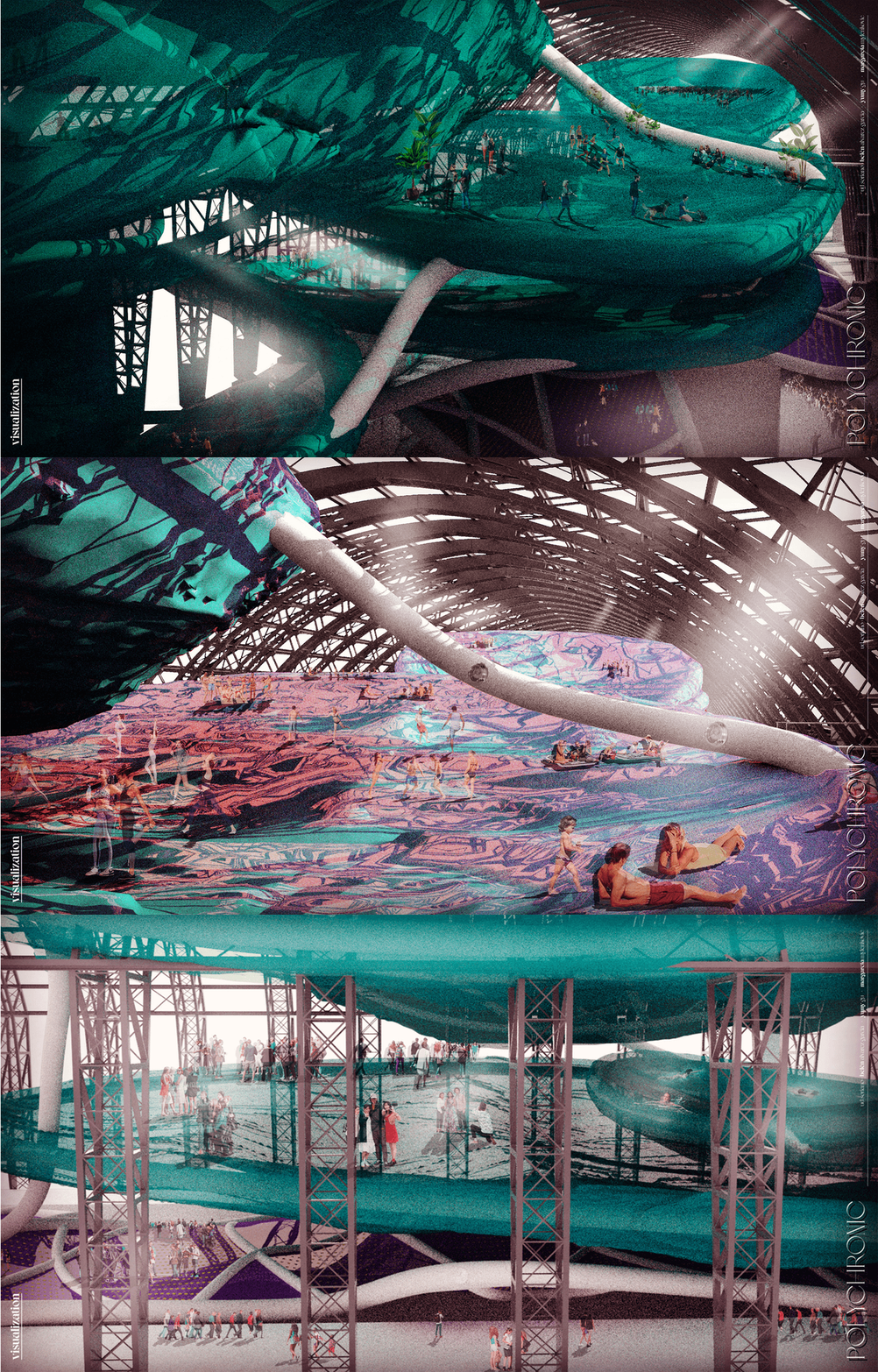
The Spatial behaviors of the inhabitants draw multiple possibilities out of the infinite and these are all taken in by the architecture.
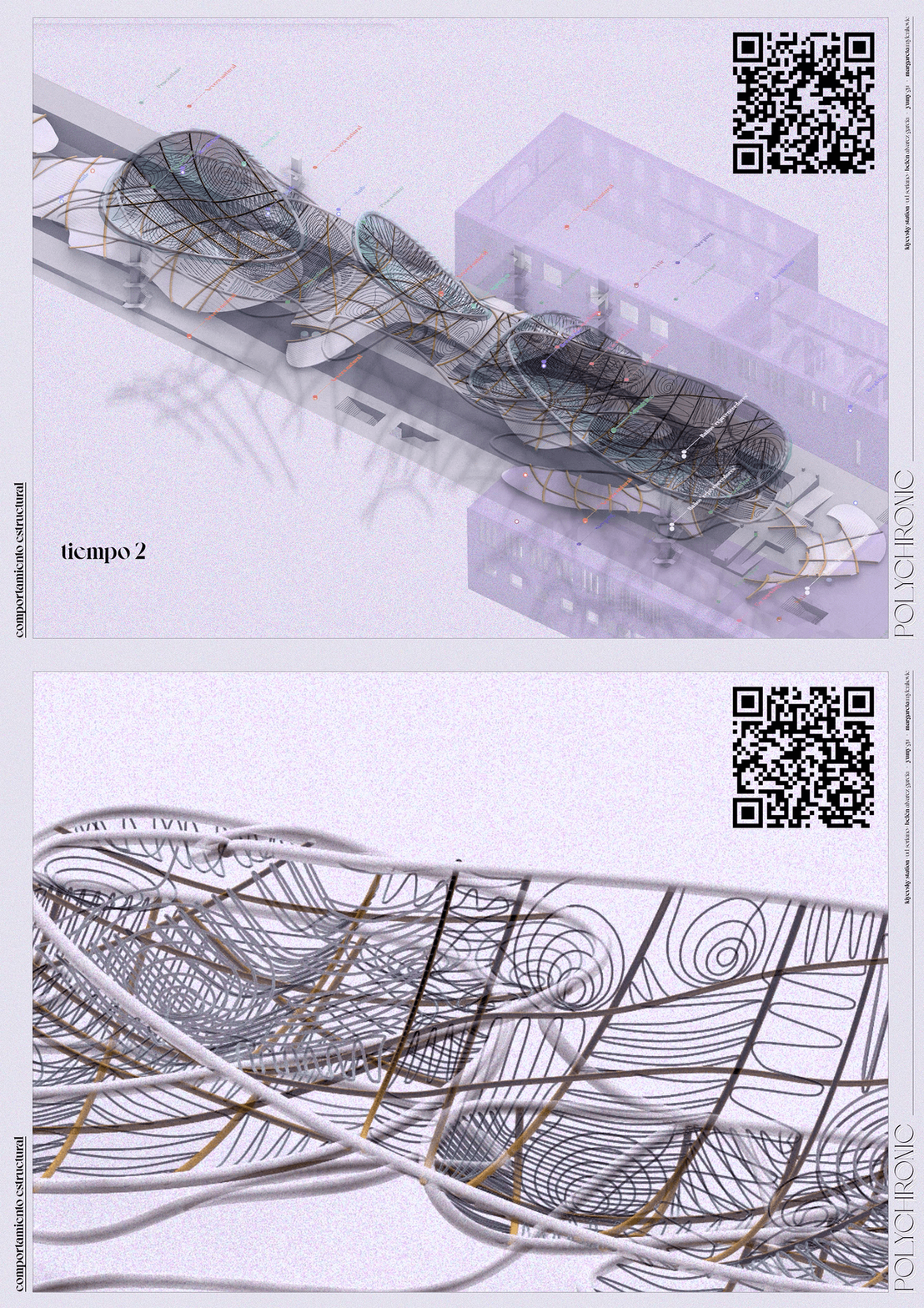
The structural support of the Polychronic involves cylindrical extensions, loaded with energy, thus providing non-stop fluxes of the needed products in different shapes and scales, given the spatial necessities, which by themselves rely on the individuals' movements.
The secondary structural order carries directly the weight of the walkable surfaces and it is a more flexible type since it is meant to change their positions and create specific environments for the superior layers.
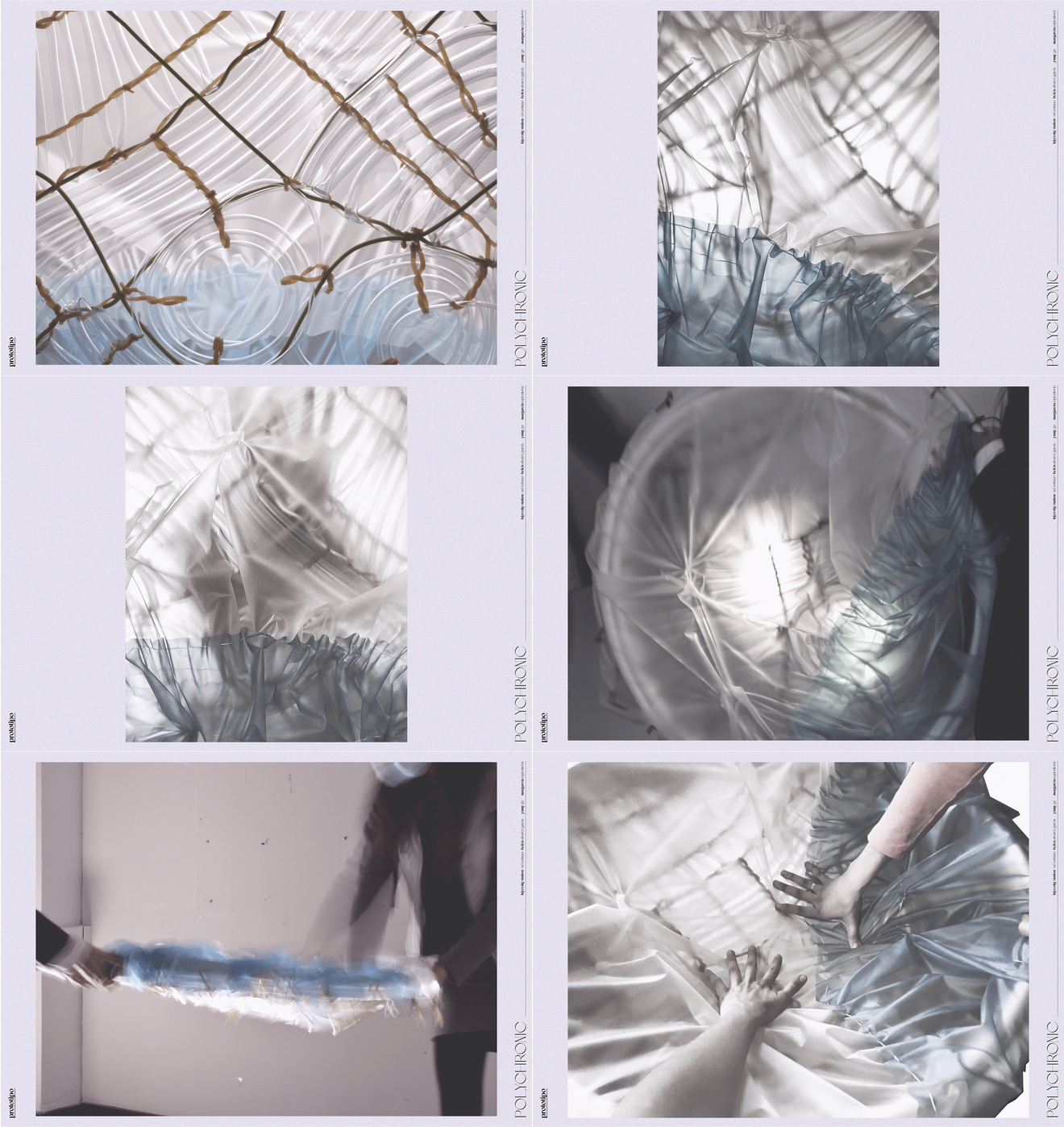
The last order participates in the absorption of co2 by carrying water inside. This tubes will be covered by a PEI polymer that absorbs this molecules in the air within a low range of ambient temperatures. When these rise, the co2 is released to the water flow through the membrane to the filter tanks, provided with Escherichia coli and Pseudomonas, which process the solution into hydrogen for the trains' fuel.
In the midst of a search for a carbon -free form, all the preconceived systems are to be evaluated. The one that concerns us today is that regarding transport.
As we progress to new understandings of architecture, the carbon trails of the trains and the static connotation of the train stops is to be replaced with their re-definitions in regards to resources, movements in space, time schedules & density correlations.
The station is no more stationary: it has overcome its definition and nomenclature; now, it's dynamic, adaptable and unrepeatable in its shape and function, for it is in constant evolution and form-finding.
The Spatial behaviors of the inhabitants draw multiple possibilities out of the infinite and these are all taken in by the architecture.
The structural support of the Polychronic involves cylindrical extensions, loaded with energy, thus providing non-stop fluxes of the needed products in different shapes and scales, given the spatial necessities, which by themselves rely on the individuals' movements.
The secondary structural order carries directly the weight of the walkable surfaces and it is a more flexible type since it is meant to change their positions and create specific environments for the superior layers.
The last order participates in the absorption of co2 by carrying water inside. This tubes will be covered by a PEI polymer that absorbs this molecules in the air within a low range of ambient temperatures. When these rise, the co2 is released to the water flow through the membrane to the filter tanks, provided with Escherichia coli and Pseudomonas, which process the solution into hydrogen for the trains' fuel.



- 00 - Description
- 01 - urban plan
- 02 - function&integration
- 03 - activities
- 04 - sections
- 05 - plans
- 06 - axo
- 07 - deformation
- 08 - prototipe
- 09 - patent
- 10 - visualizations
- 11 - Video