
PREVI 2.0
15 points of the MANIFESTO // BLOC of Lima 2019
1. While the circumstances of cities, towns and villages vary, there are a number of challenges that are common and universal in scope. Architecture and urbanism must respond to them, in a participatory manner, focusing on people and protecting the planet, societies and cultures in the long term.
2. The new built environments must be rational from the environmental point of view, both human and ecological. Optimizing resources and resorting to a simple design, but that at the same time allows to create diverse and complex scenarios for the development of life.
SINGLE ROOM
3. Access to minimal and sustainable housing will be facilitated, allowing the development of different ways of life that require privacy for personal development.
4. The requirement of an individual home must not be an obstacle to live in an inclusive and integrated way in the community, promoting connectivity, living together, and social inclusion.
5. Housing, like the individual, should not be taken in isolation, but as part of a whole, respecting the other members of the system and favoring their personal and interpersonal development.
HABITA COLECTIVA
6. The architect must be the set designer of this space, putting the interest of the individual before his personal ambition, favoring an inclusive architecture that is capable of housing the plurality of individuals that create a society.
7. Equitable and affordable access to a basic physical and social infrastructure for all, that promotes community life, maximizing the exchange of ideas, but providing the minimum required privacy spaces will be promoted.
8. Collective housing will be designed and managed in such a way that guarantees human development, understanding said development in a universal way, promoting the construction of a peaceful, inclusive and participatory society.
PUBLIC HABIT
9. It is imperative to create safe, inclusive and accessible public spaces that allow the relationship and exchange between the various individuals in the system. Respecting the globality of the system and in turn the peculiarity of the individual.
10. The public space will integrate green and quality areas that foster social and economic development, creating opportunities to create livelihoods for all, avoiding spaces for use and managing them as proxemic spaces.
11. Public space must be respected in all its phases, through its conception, transformation and transmission, being a living fabric, a reflection of the plurality and extension of one's personal space, as a result of an intersocial movement.
HABITA CITY
12. The paradigm shift, in the way of making a city, forces us to look again at urban centers that are resilient to rapid and highly productive changes to promote sustainable growth of the urban economy, as the sharp increase of the population in certain areas of the planet, so demands, but without forgetting the protection of the environment.
13. The space development strategy will be flexible and priority will be given to urban renewal and to the fabric and integration of new neighborhoods in the urban framework, as well as to planning new extensions of compact design, as appropriate.
14. It will be projected to reach sustainable demographic densities, preventing uncontrolled urban growth and marginalization. This adequate level of compactness and polycentrism will allow infrastructure and services planning.
15. The city for the beginning of the century must allow people in more vulnerable situations to live, work and participate in urban life, fully, without fear of violence and intimidation
1. While the circumstances of cities, towns and villages vary, there are a number of challenges that are common and universal in scope. Architecture and urbanism must respond to them, in a participatory manner, focusing on people and protecting the planet, societies and cultures in the long term.
2. The new built environments must be rational from the environmental point of view, both human and ecological. Optimizing resources and resorting to a simple design, but that at the same time allows to create diverse and complex scenarios for the development of life.
SINGLE ROOM
3. Access to minimal and sustainable housing will be facilitated, allowing the development of different ways of life that require privacy for personal development.
4. The requirement of an individual home must not be an obstacle to live in an inclusive and integrated way in the community, promoting connectivity, living together, and social inclusion.
5. Housing, like the individual, should not be taken in isolation, but as part of a whole, respecting the other members of the system and favoring their personal and interpersonal development.
HABITA COLECTIVA
6. The architect must be the set designer of this space, putting the interest of the individual before his personal ambition, favoring an inclusive architecture that is capable of housing the plurality of individuals that create a society.
7. Equitable and affordable access to a basic physical and social infrastructure for all, that promotes community life, maximizing the exchange of ideas, but providing the minimum required privacy spaces will be promoted.
8. Collective housing will be designed and managed in such a way that guarantees human development, understanding said development in a universal way, promoting the construction of a peaceful, inclusive and participatory society.
PUBLIC HABIT
9. It is imperative to create safe, inclusive and accessible public spaces that allow the relationship and exchange between the various individuals in the system. Respecting the globality of the system and in turn the peculiarity of the individual.
10. The public space will integrate green and quality areas that foster social and economic development, creating opportunities to create livelihoods for all, avoiding spaces for use and managing them as proxemic spaces.
11. Public space must be respected in all its phases, through its conception, transformation and transmission, being a living fabric, a reflection of the plurality and extension of one's personal space, as a result of an intersocial movement.
HABITA CITY
12. The paradigm shift, in the way of making a city, forces us to look again at urban centers that are resilient to rapid and highly productive changes to promote sustainable growth of the urban economy, as the sharp increase of the population in certain areas of the planet, so demands, but without forgetting the protection of the environment.
13. The space development strategy will be flexible and priority will be given to urban renewal and to the fabric and integration of new neighborhoods in the urban framework, as well as to planning new extensions of compact design, as appropriate.
14. It will be projected to reach sustainable demographic densities, preventing uncontrolled urban growth and marginalization. This adequate level of compactness and polycentrism will allow infrastructure and services planning.
15. The city for the beginning of the century must allow people in more vulnerable situations to live, work and participate in urban life, fully, without fear of violence and intimidation
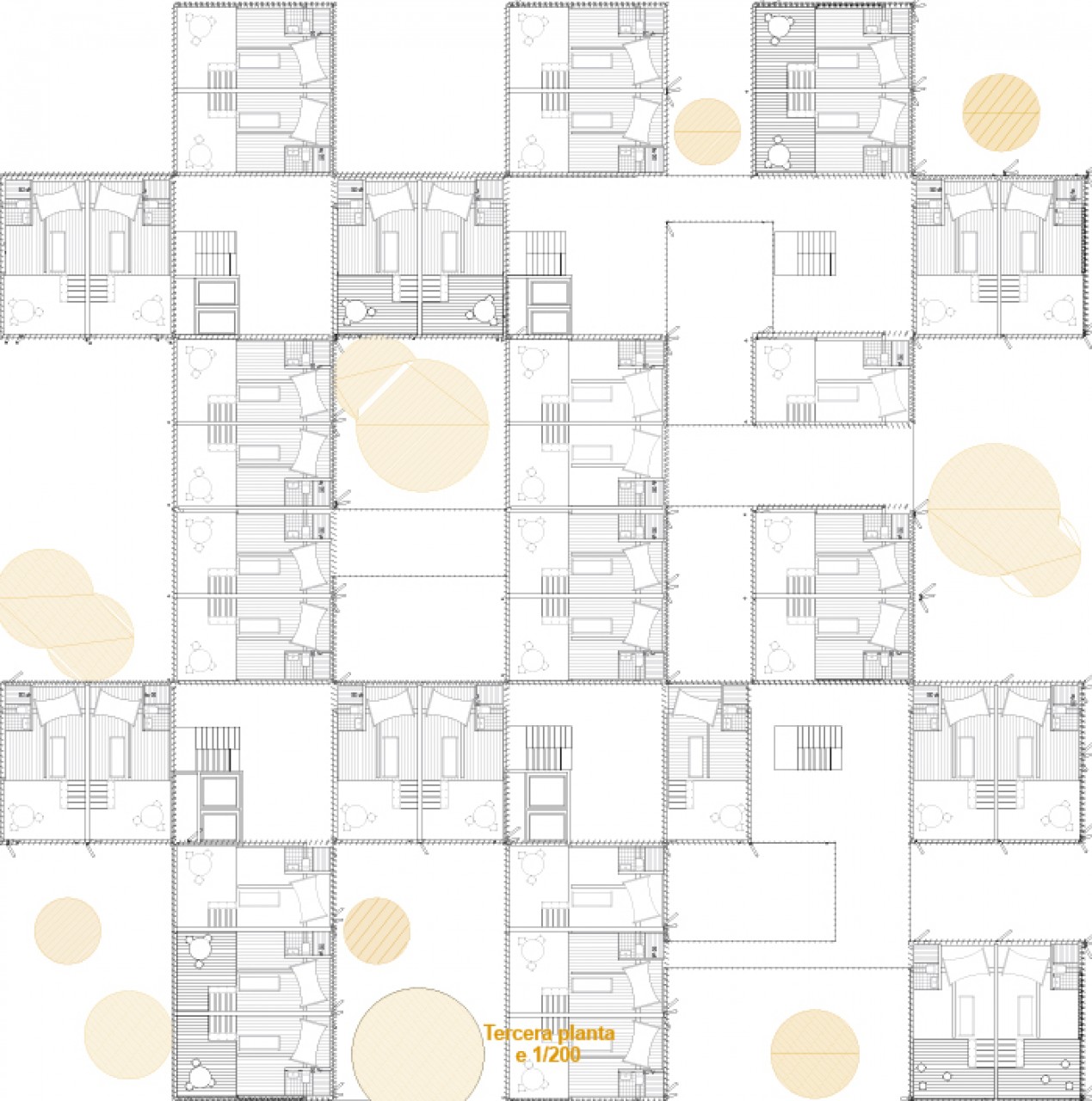
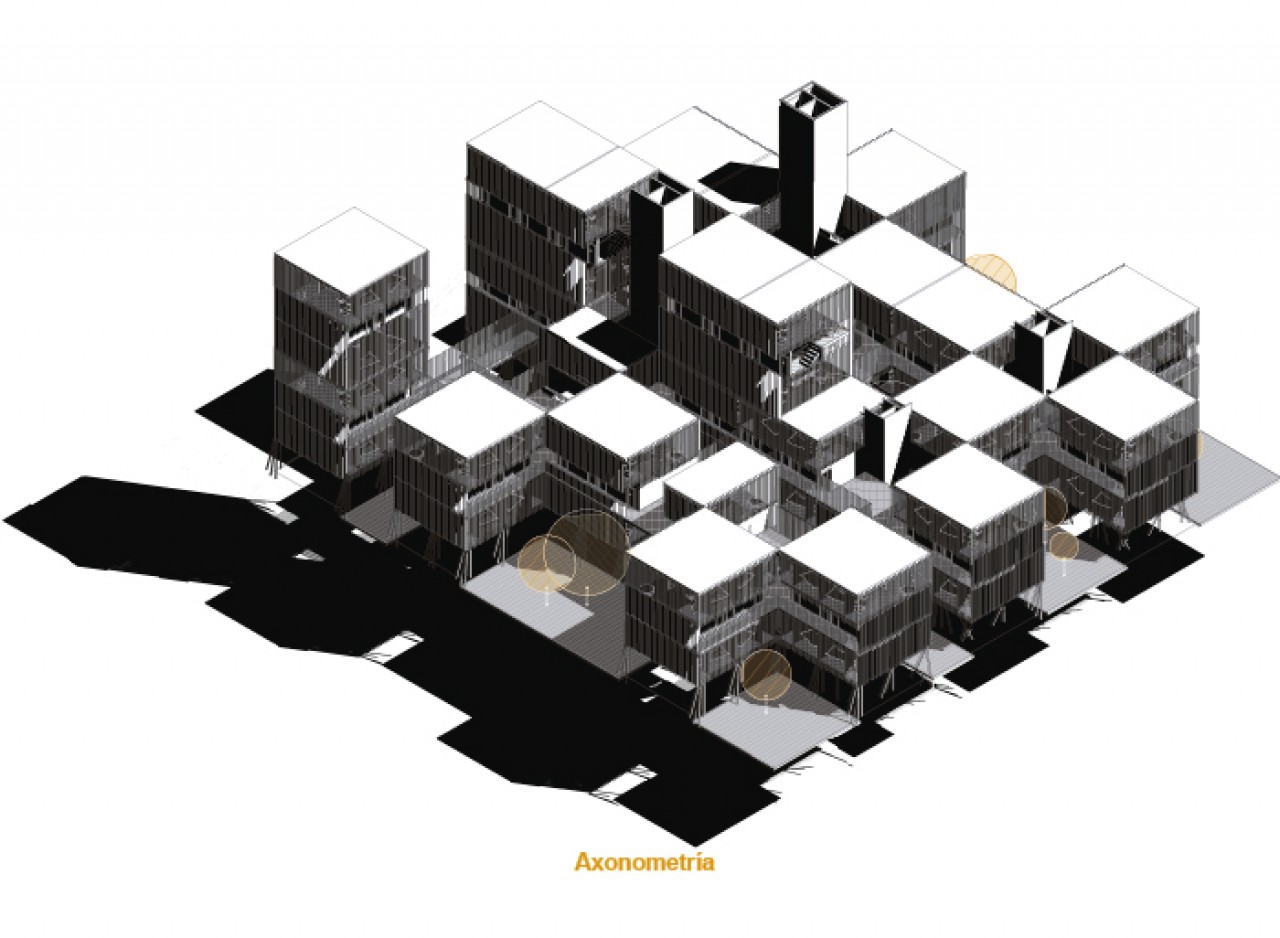
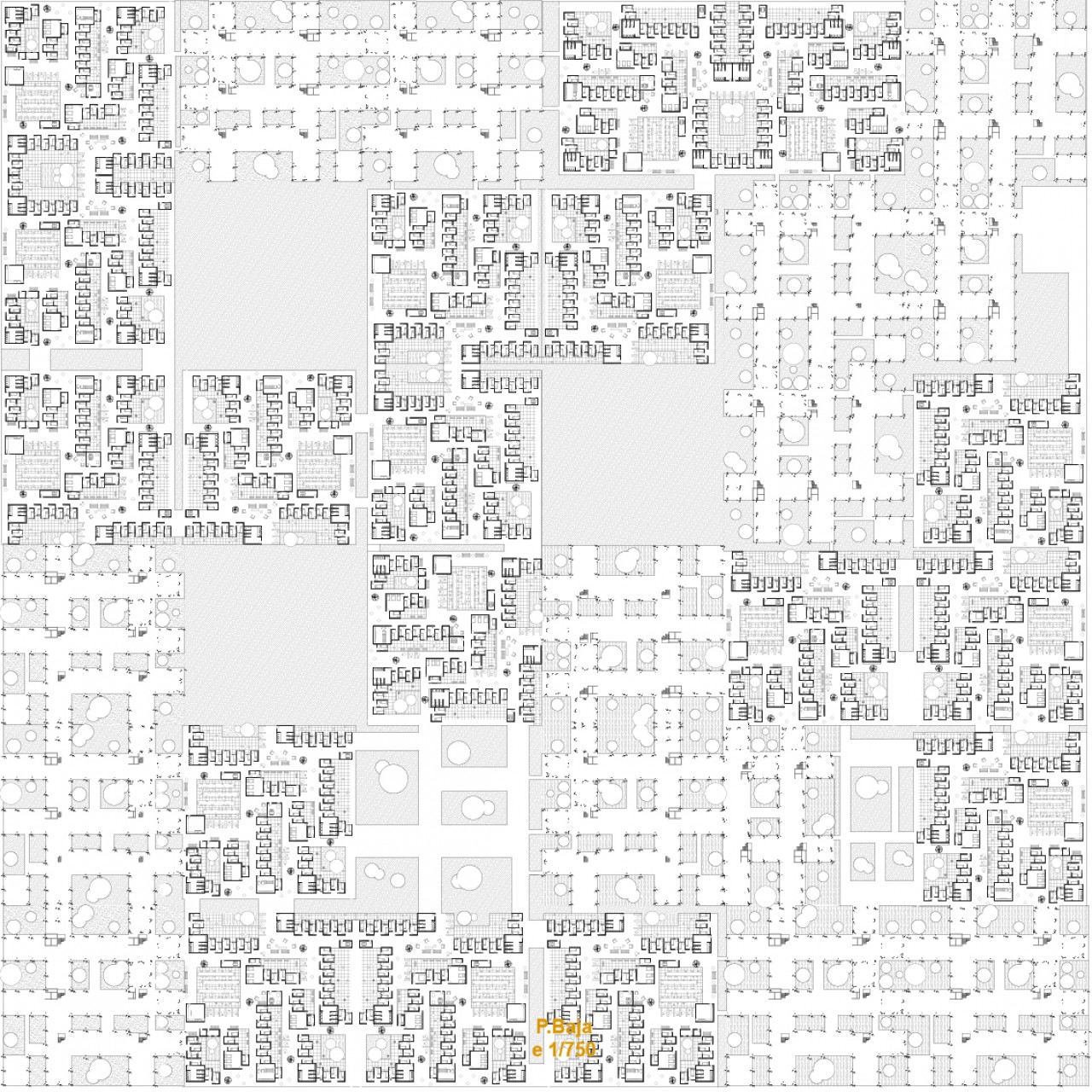
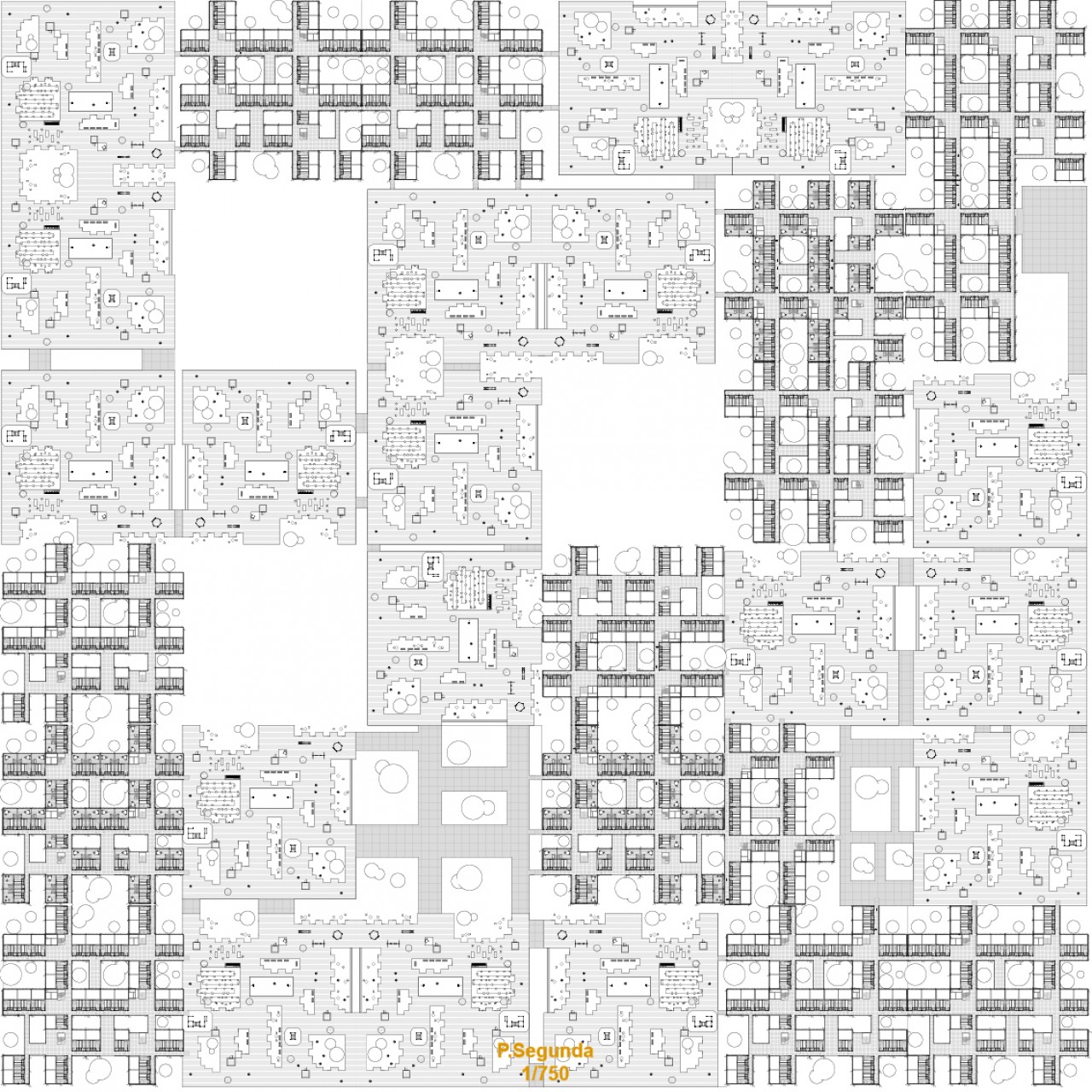
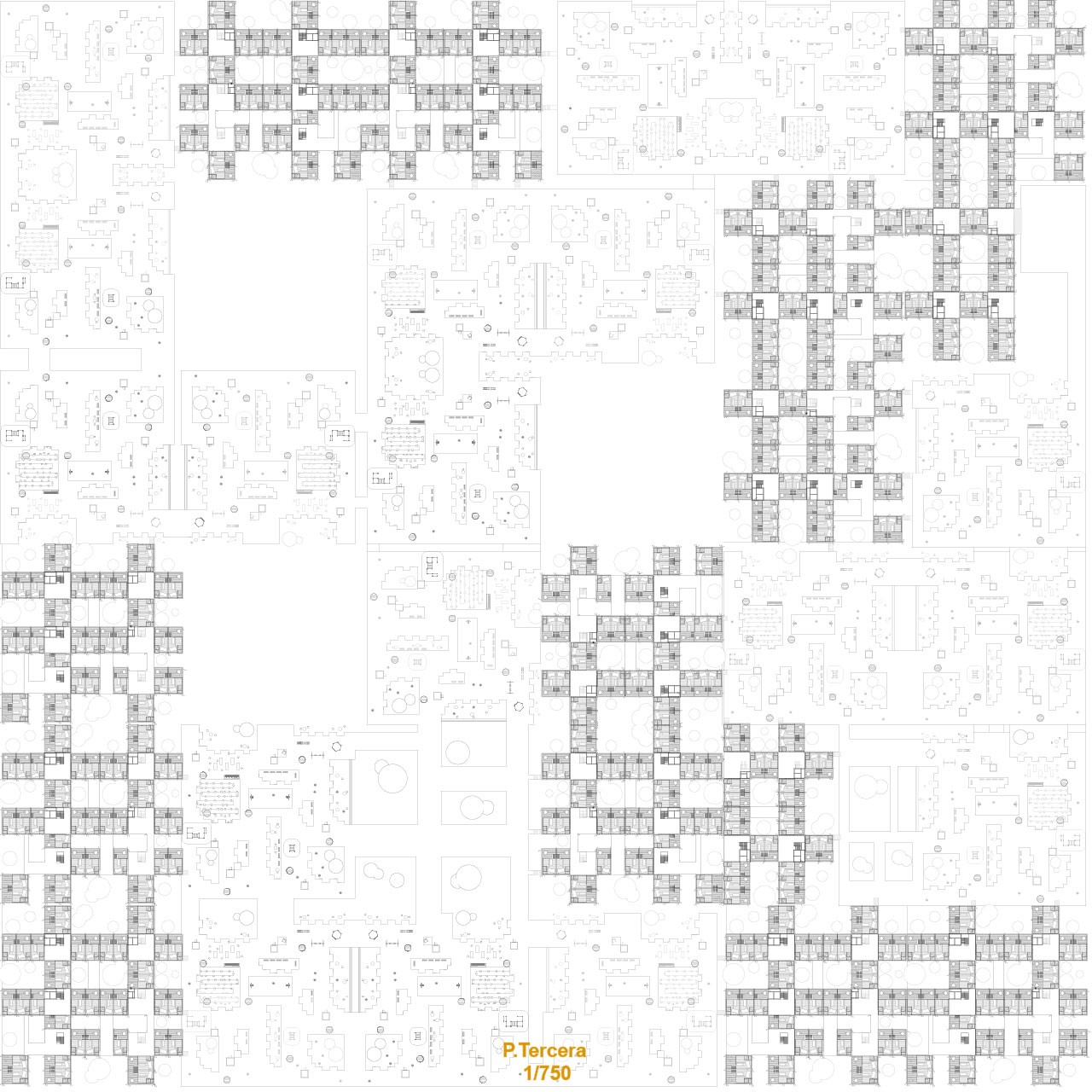
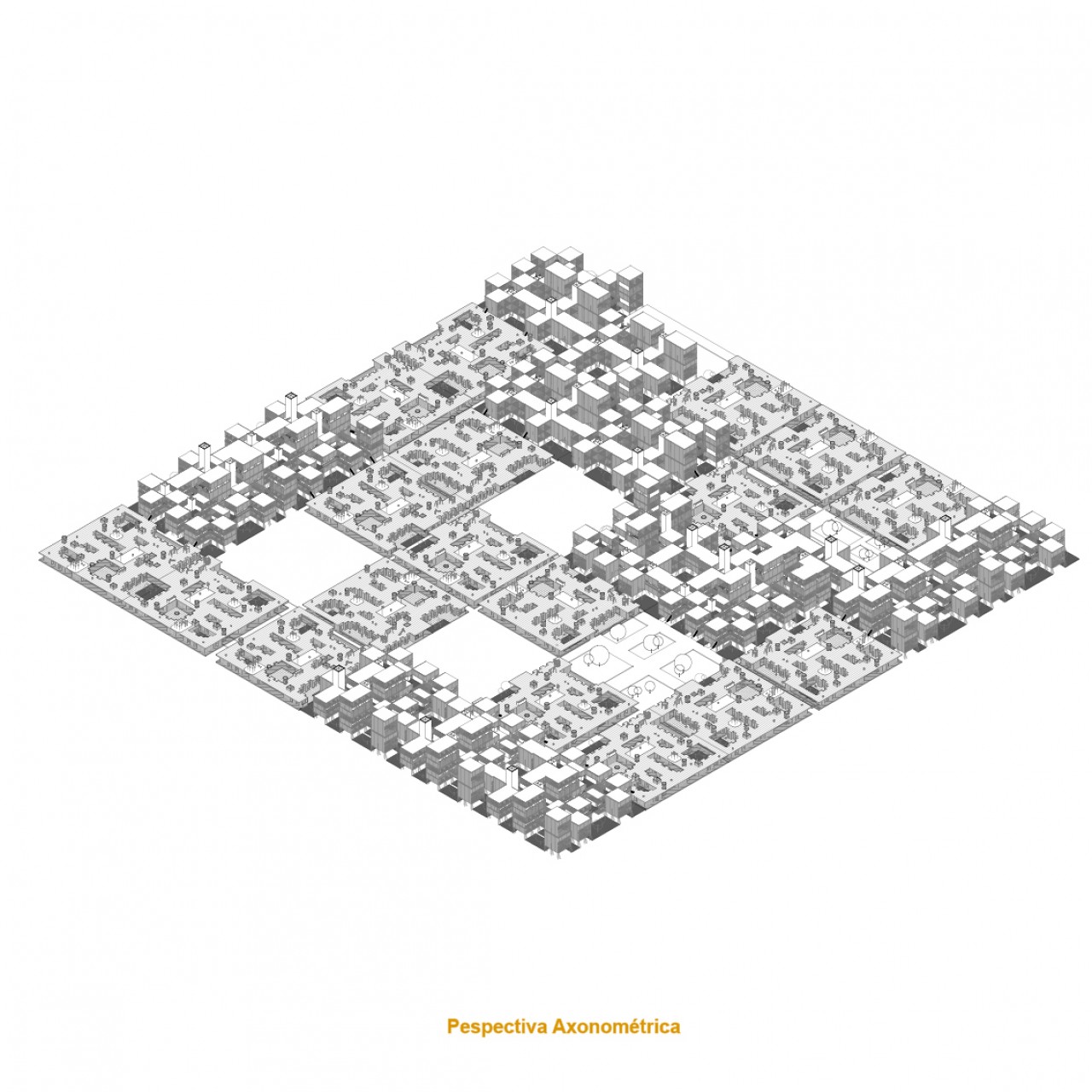
- 00 - Description
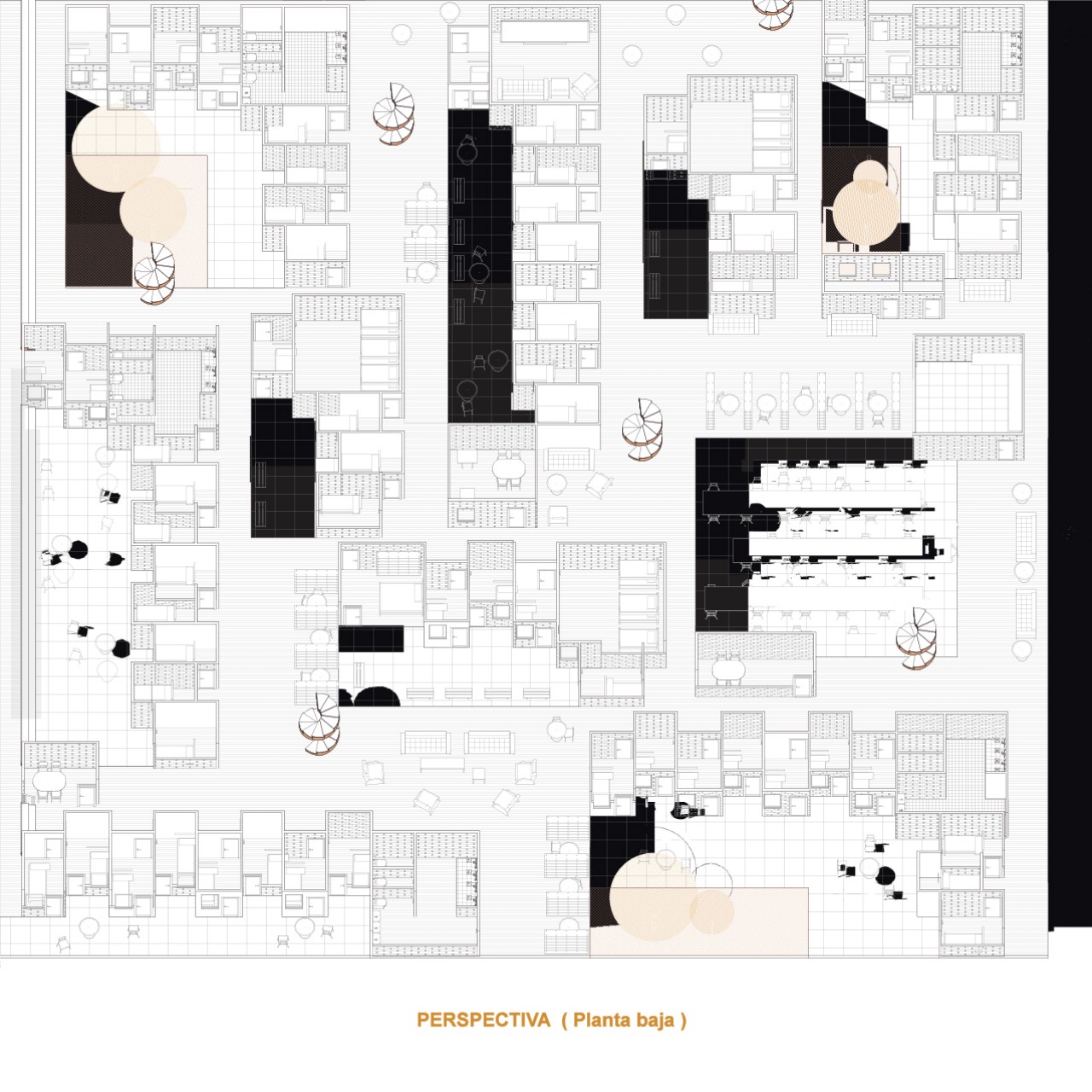
- 01 - 1 x 100 _ P.B.
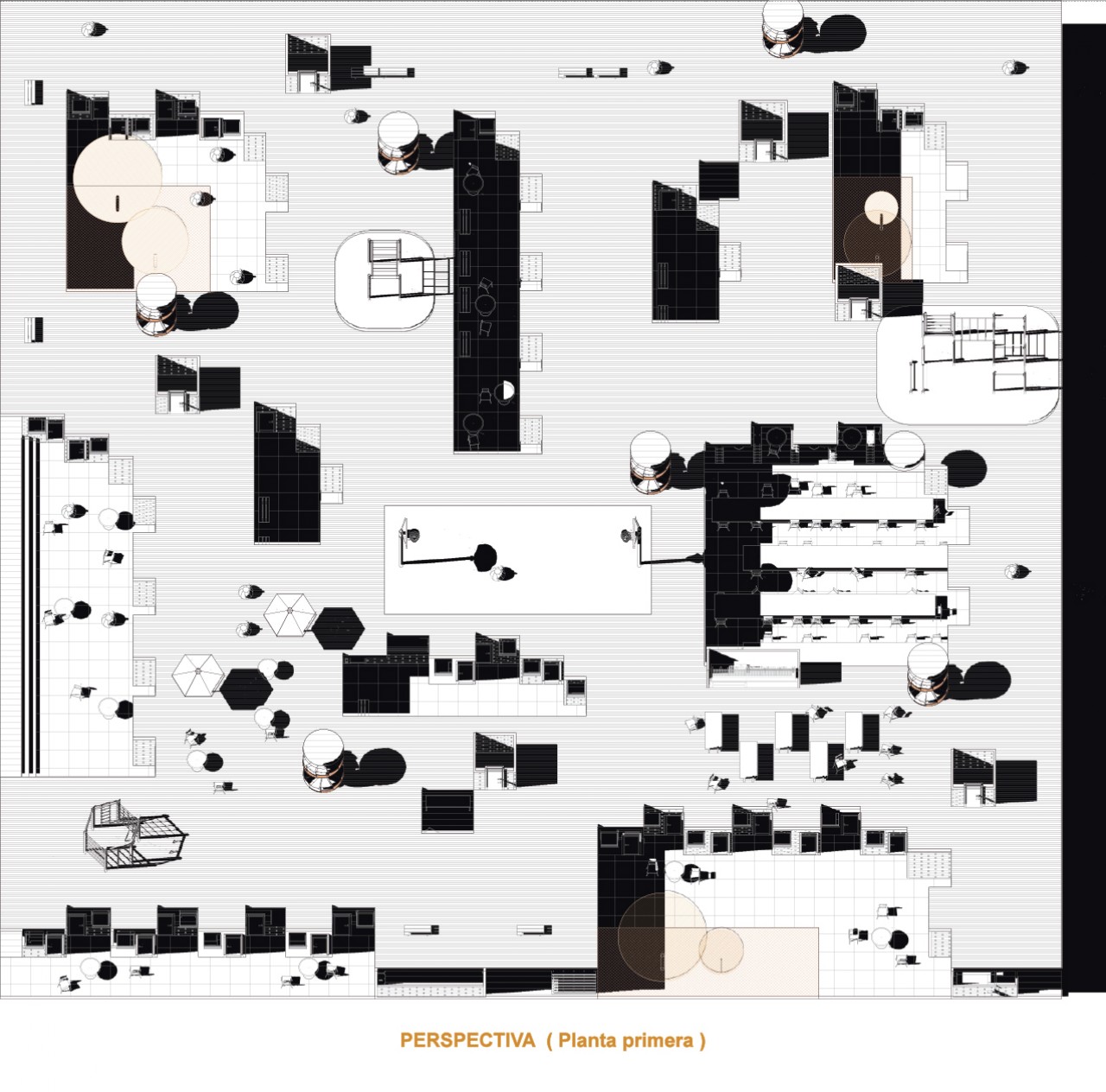
- 02 - 1 x 100 _ P.1.
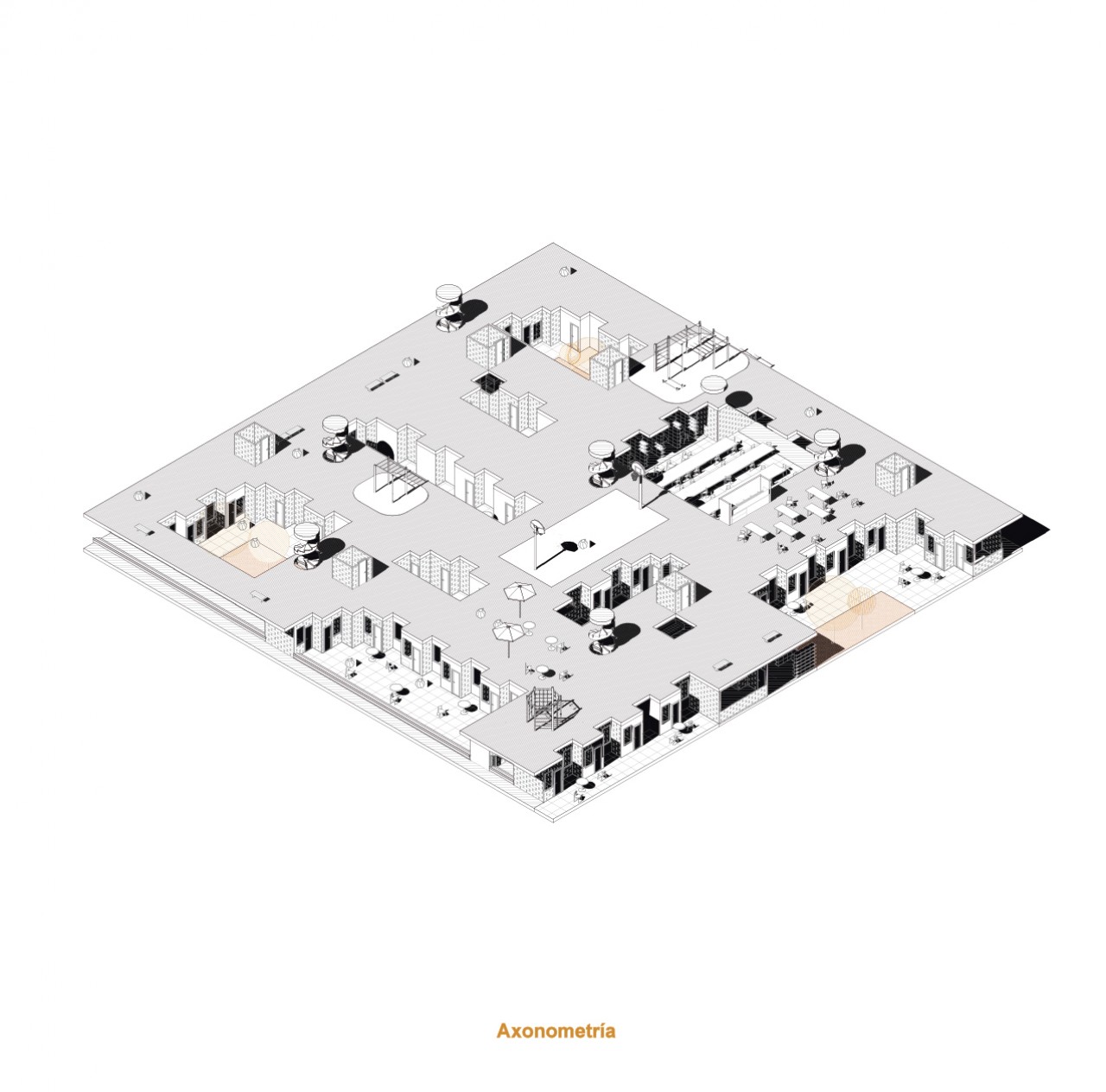
- 03 - 1 x 100
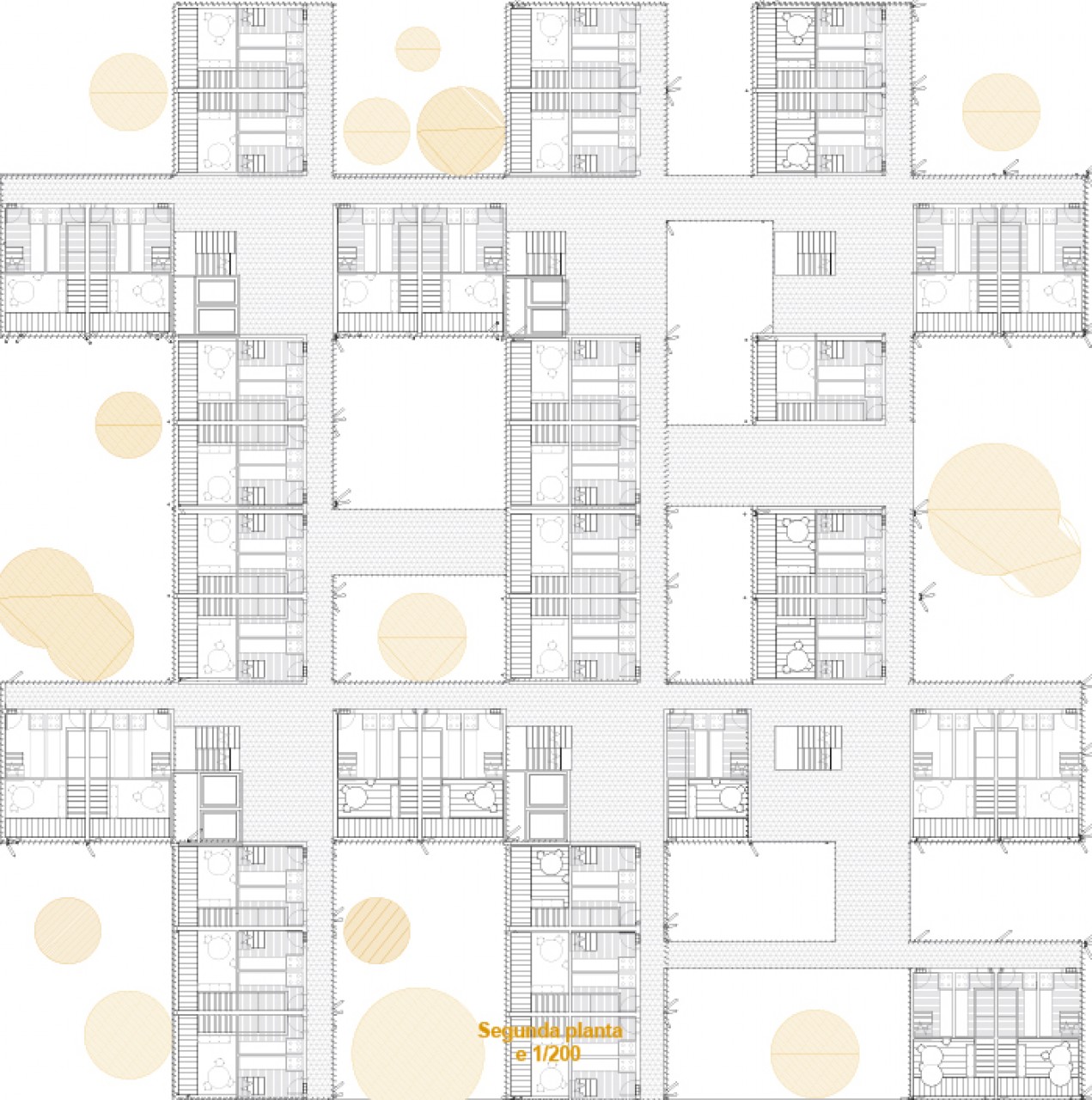
- 04 - 100 x 1 _ P.2.
- 05 - 100 x 1 _ P.3.
- 06 - 100 x 1
- 07 - (1x100)+(100x1)_P.B.
- 08 - (1x100)+(100x1)_P.2.
- 09 - (1x100)+(100x1)_P.3.
- 10 - (1x100 ) + ( 100x1 )