
Shared boundaries
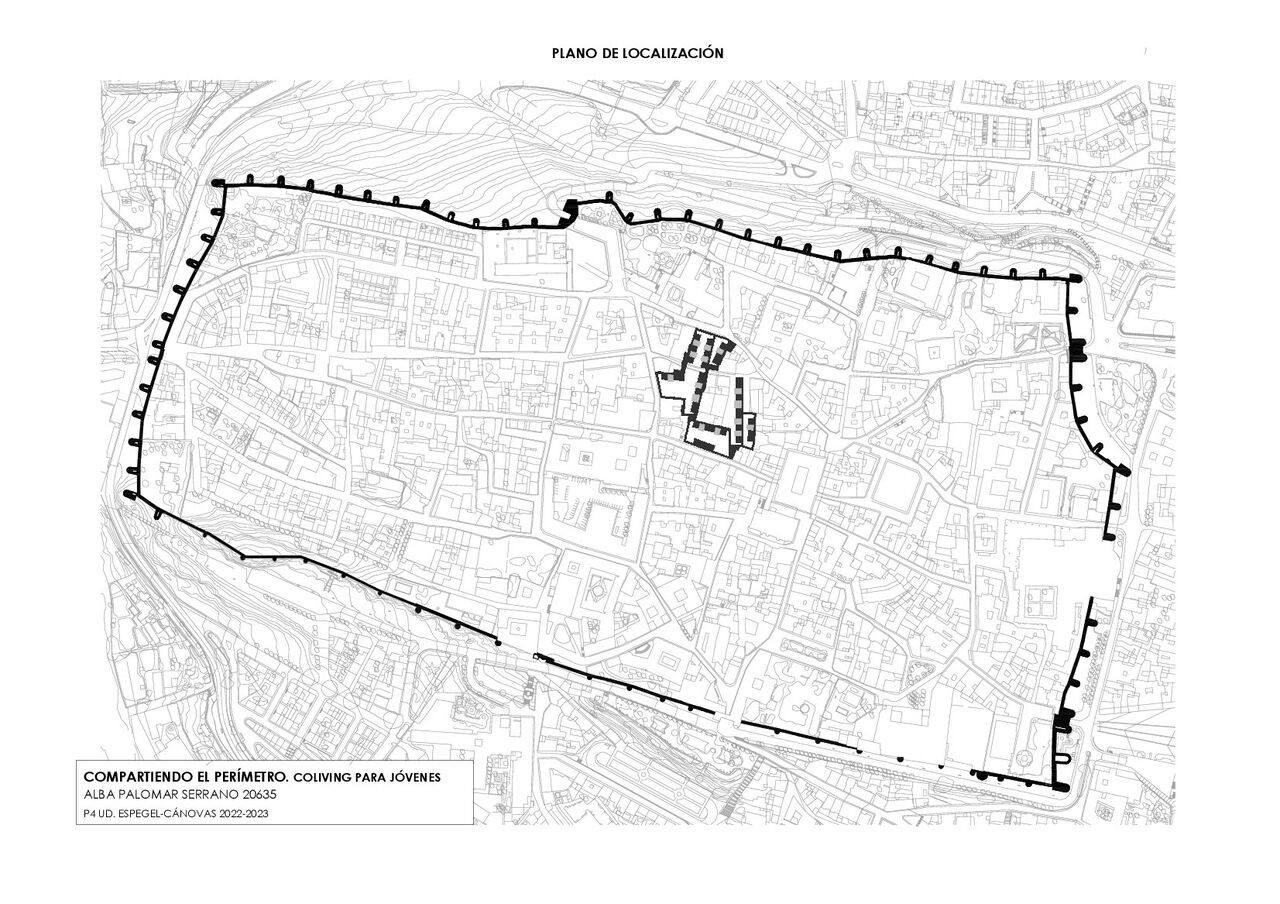
We are located within the walled historic center of the city of Avila. The project aims to create collective housing, trying to adapt to the surrounding pre-existences, as well as the identifying features of the area. Starting from the wall as a major sign of identity, the intervention intends to resonate with it. The initial premises of the project will therefore be to "walk" and "share", encouraging young users to integrate these actions into their daily lives.
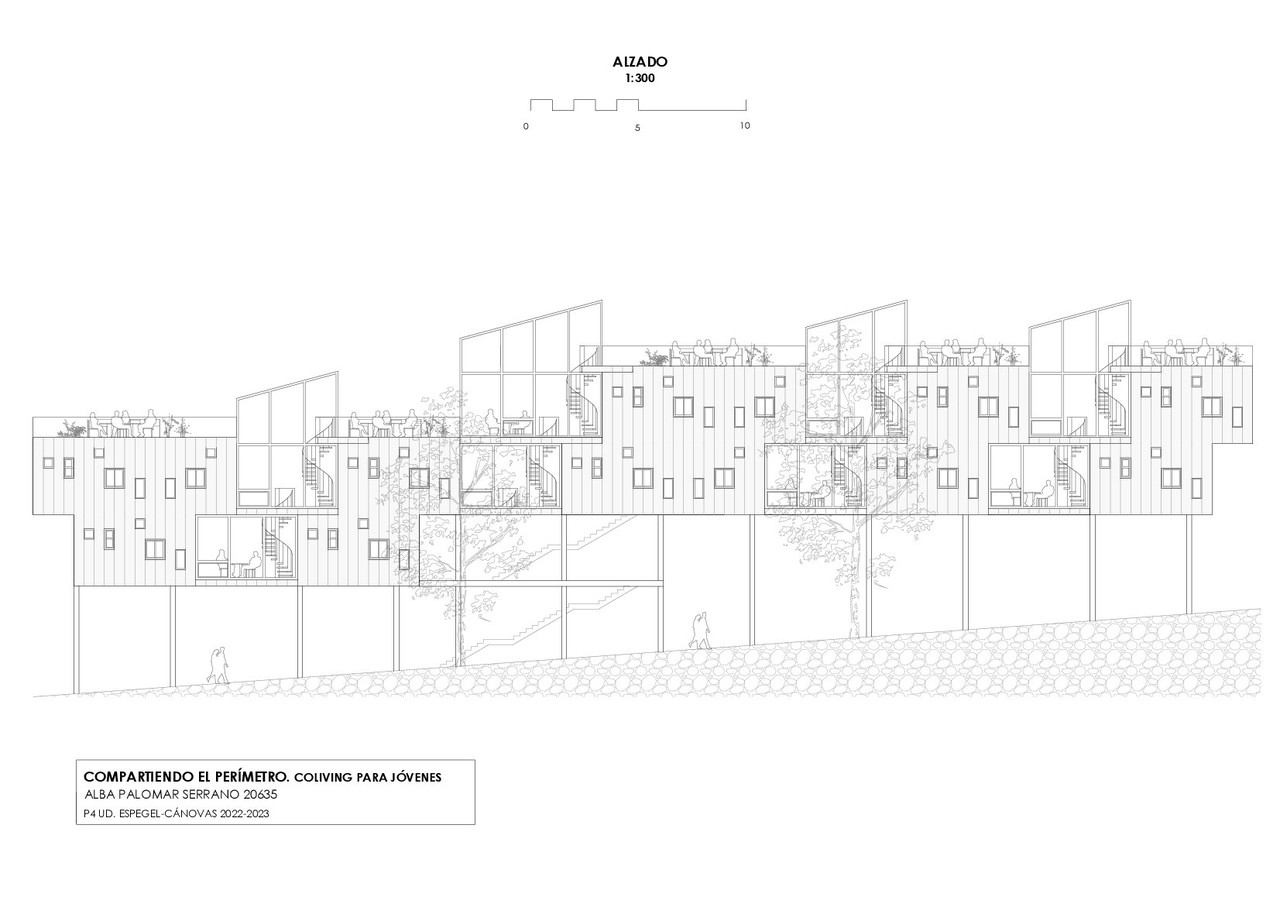
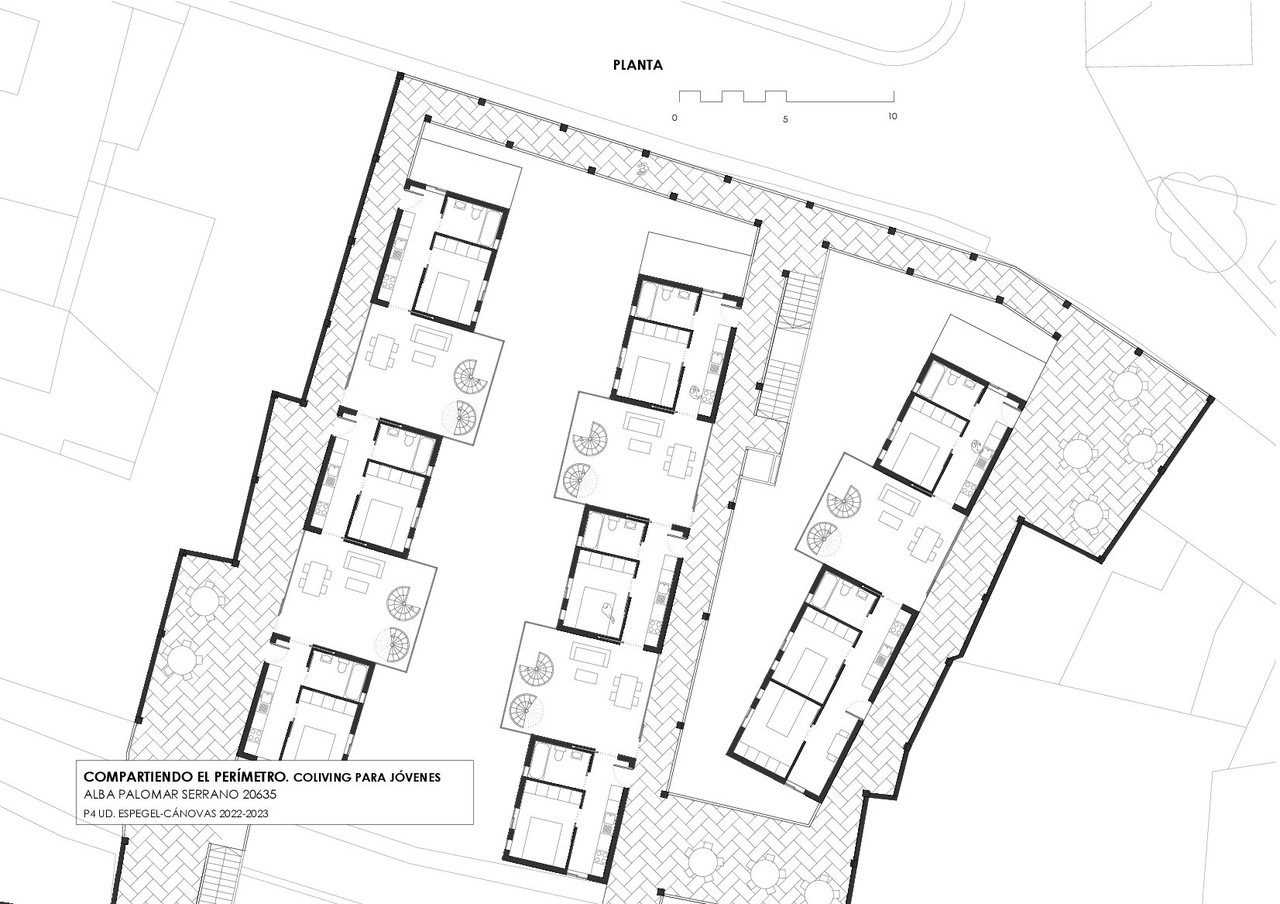
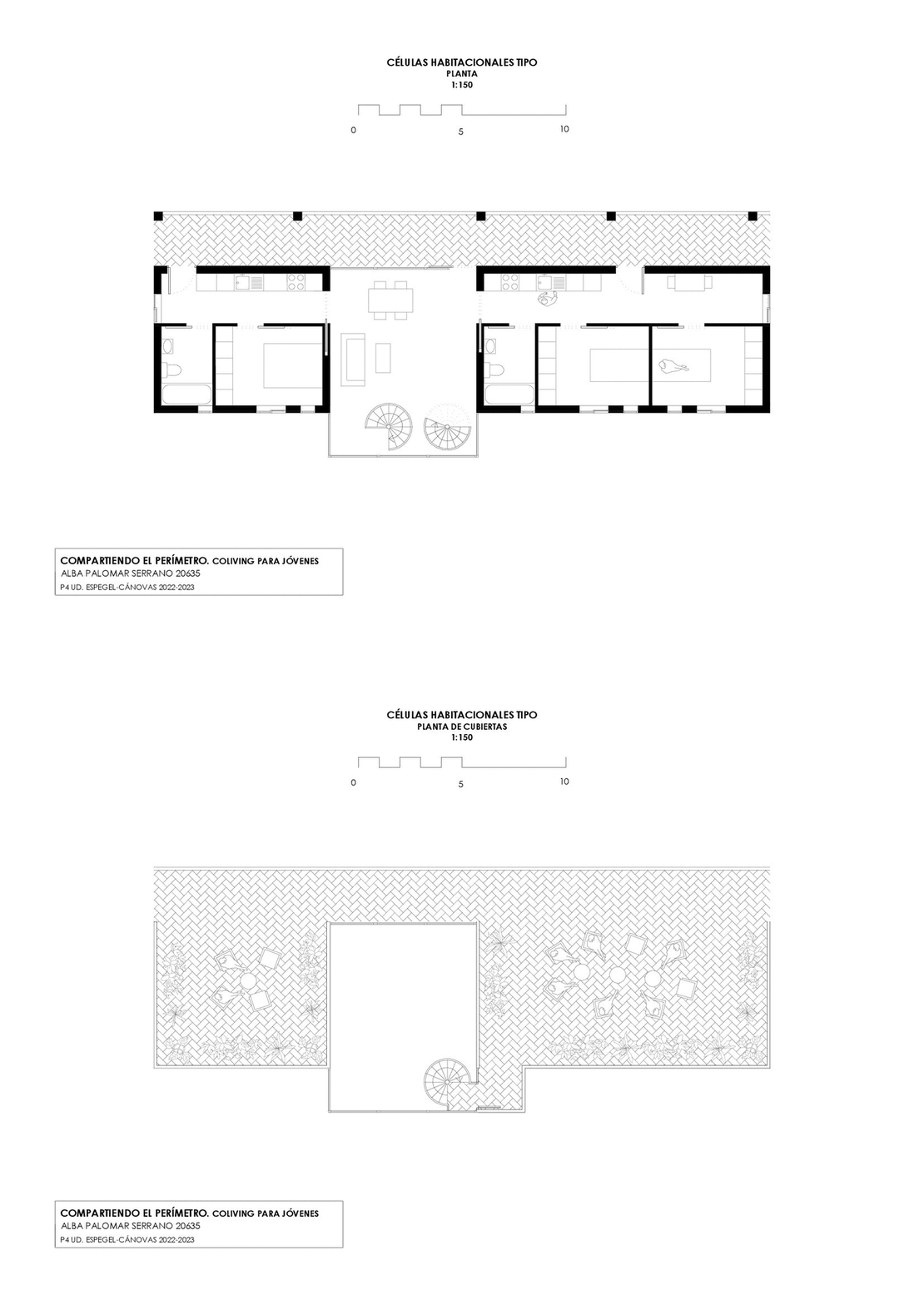
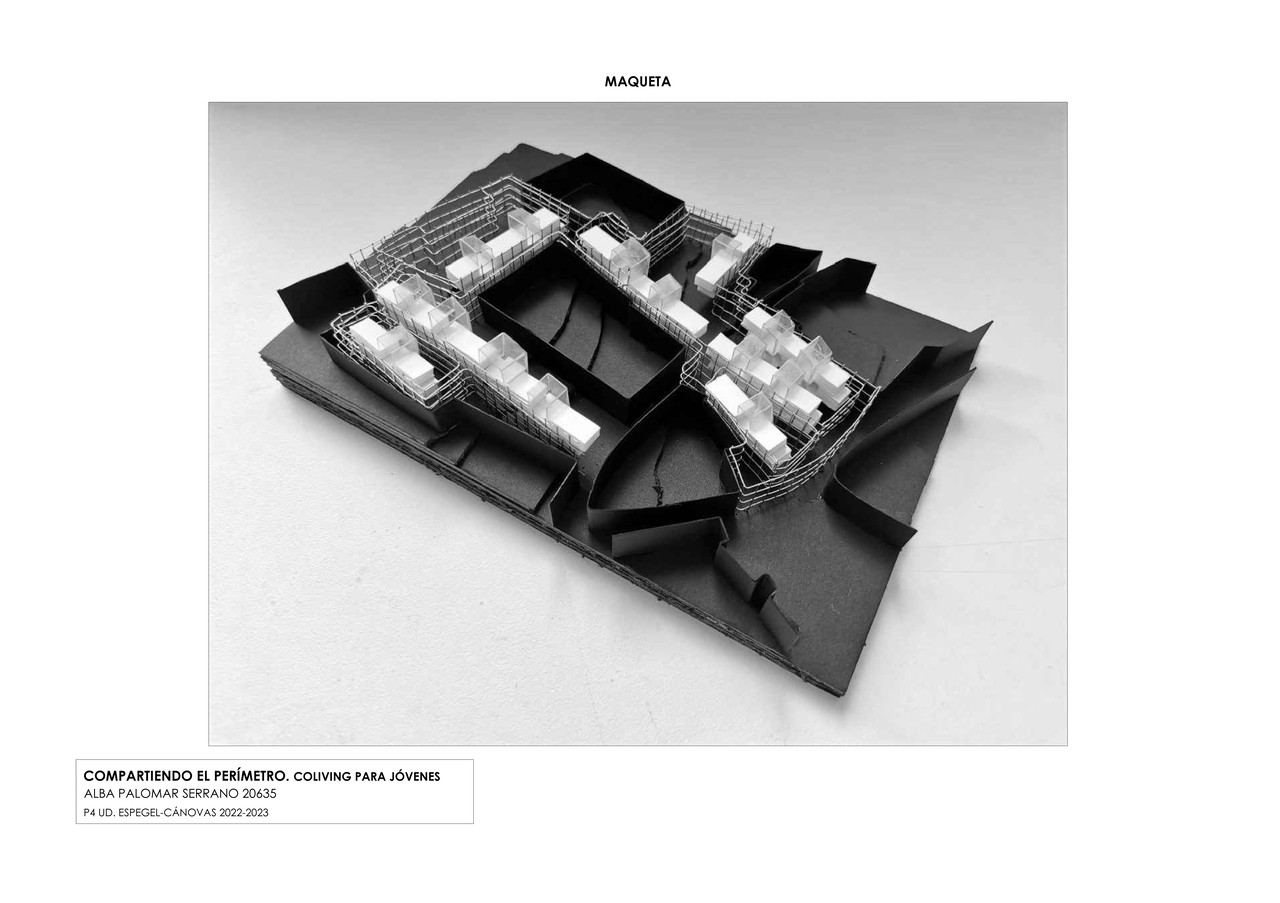
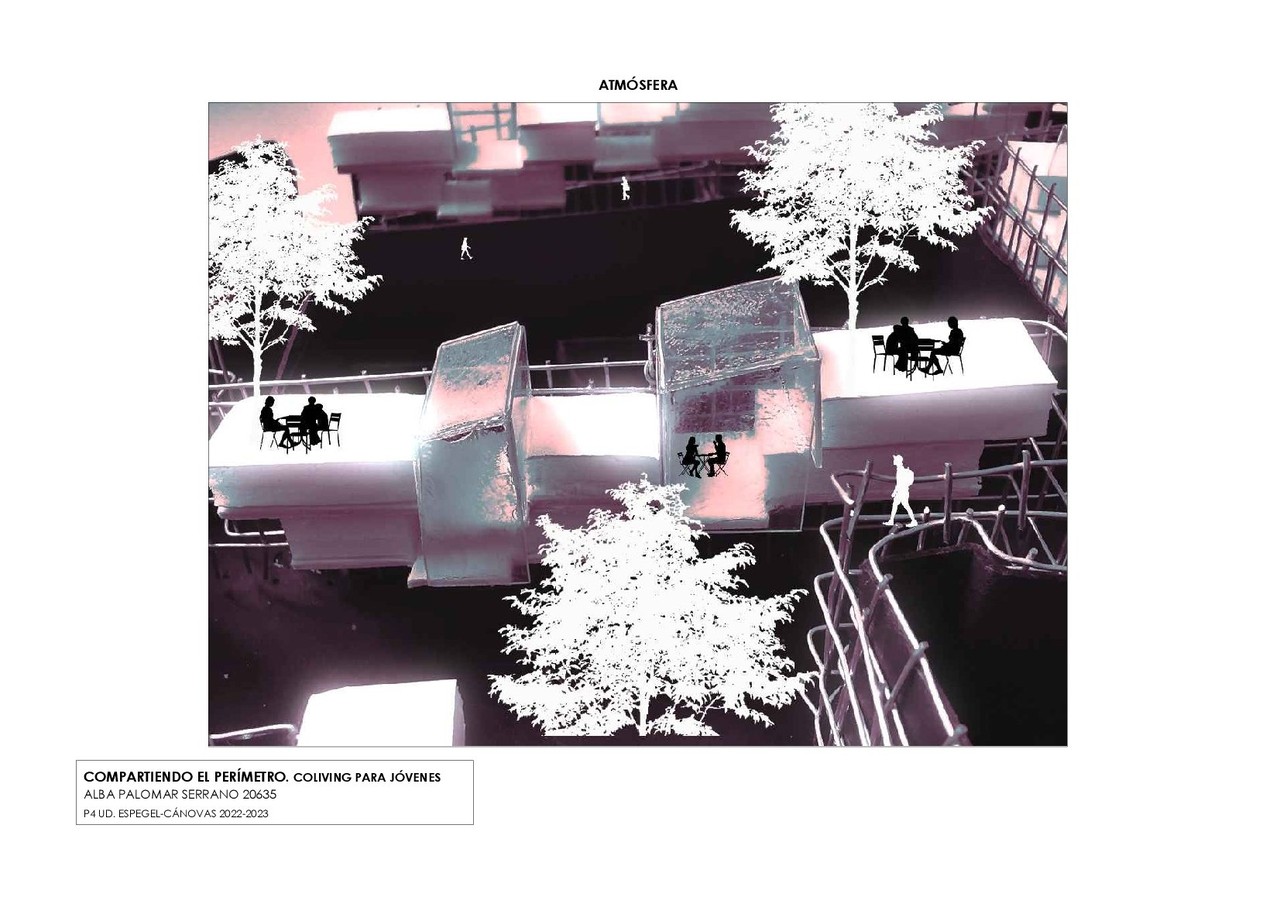
An elevated perimeter path acts as the backbone of the project, generating large interior voids that will allow sunlight and the growth of vegetation. The housing cells are attached to this route, whose configuration allows the appearance of interstitial spaces for collective coexistence that break with the idea of traditional housing. The very nature of the perimeter route completes the program with open spaces for walking, work and leisure, all of them focused on the development of these activities in common.
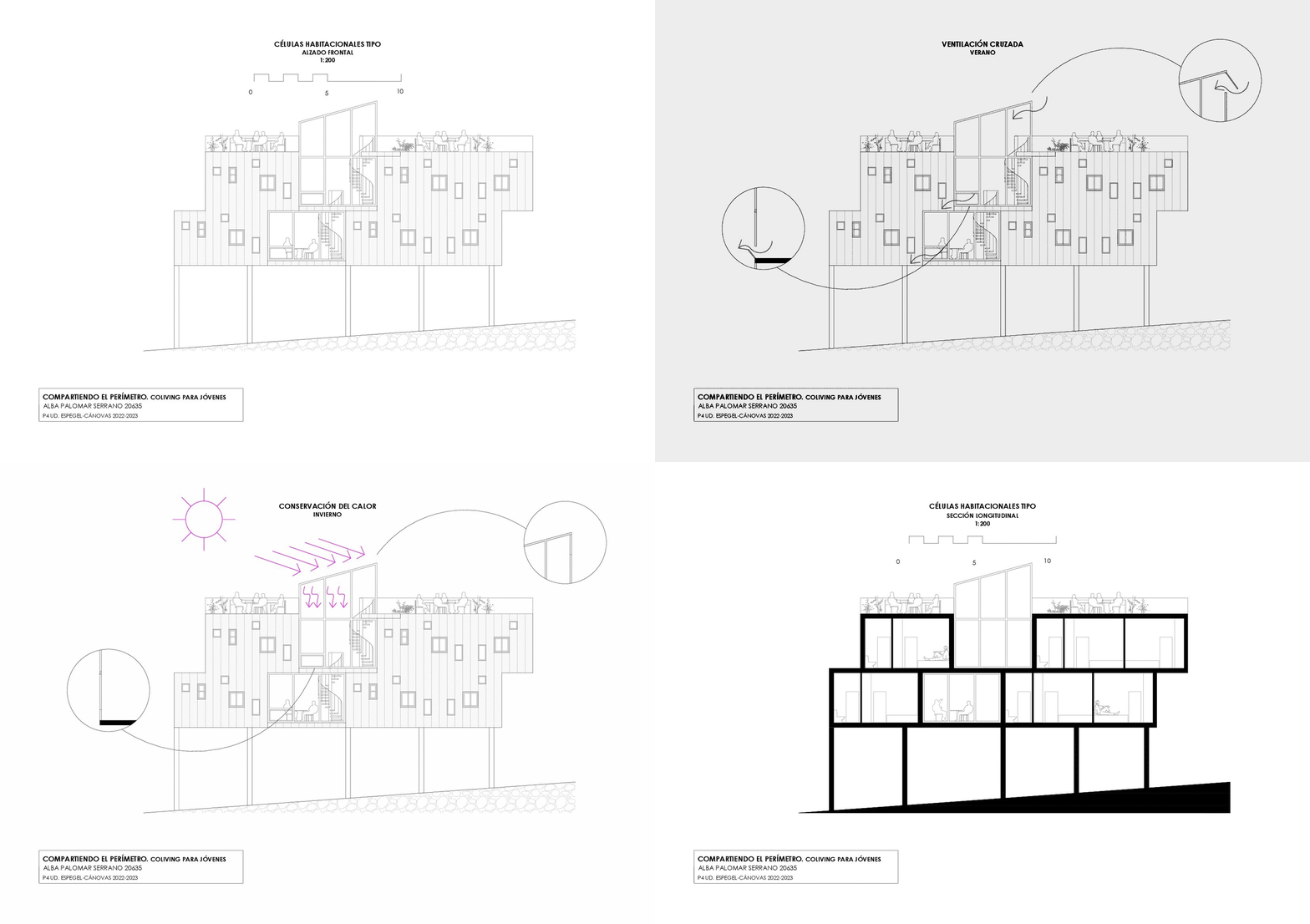
This new way of living inverts the traditional proportions between "private" and "public", "closed" and "open", "private" and "shared". On the one hand, meeting places and collectivity proliferate, gaining a crucial relevance. On the other hand, the private housing cells cannot be understood if not in relation to the adjacent ones, since they share with them what we would traditionally know as served spaces. In addition, by means of slidings doors, these cells become walkable, creating an interior circulation parallel to the main one. These horizontal circulations are complemented by other vertical ones that allow ascending from the lower cells to the upper terraces, full of vegetation, through the convergence spaces.
In conclusion, the project seeks to promote among the young users a way of living that is based on movement and a constant relationship with others, walking and sharing.
An elevated perimeter path acts as the backbone of the project, generating large interior voids that will allow sunlight and the growth of vegetation. The housing cells are attached to this route, whose configuration allows the appearance of interstitial spaces for collective coexistence that break with the idea of traditional housing. The very nature of the perimeter route completes the program with open spaces for walking, work and leisure, all of them focused on the development of these activities in common.
This new way of living inverts the traditional proportions between "private" and "public", "closed" and "open", "private" and "shared". On the one hand, meeting places and collectivity proliferate, gaining a crucial relevance. On the other hand, the private housing cells cannot be understood if not in relation to the adjacent ones, since they share with them what we would traditionally know as served spaces. In addition, by means of slidings doors, these cells become walkable, creating an interior circulation parallel to the main one. These horizontal circulations are complemented by other vertical ones that allow ascending from the lower cells to the upper terraces, full of vegetation, through the convergence spaces.
In conclusion, the project seeks to promote among the young users a way of living that is based on movement and a constant relationship with others, walking and sharing.

- 00 - Description
- 01 - Location
- 02 - Elevation
- 03 - Plan
- 04 - General plan
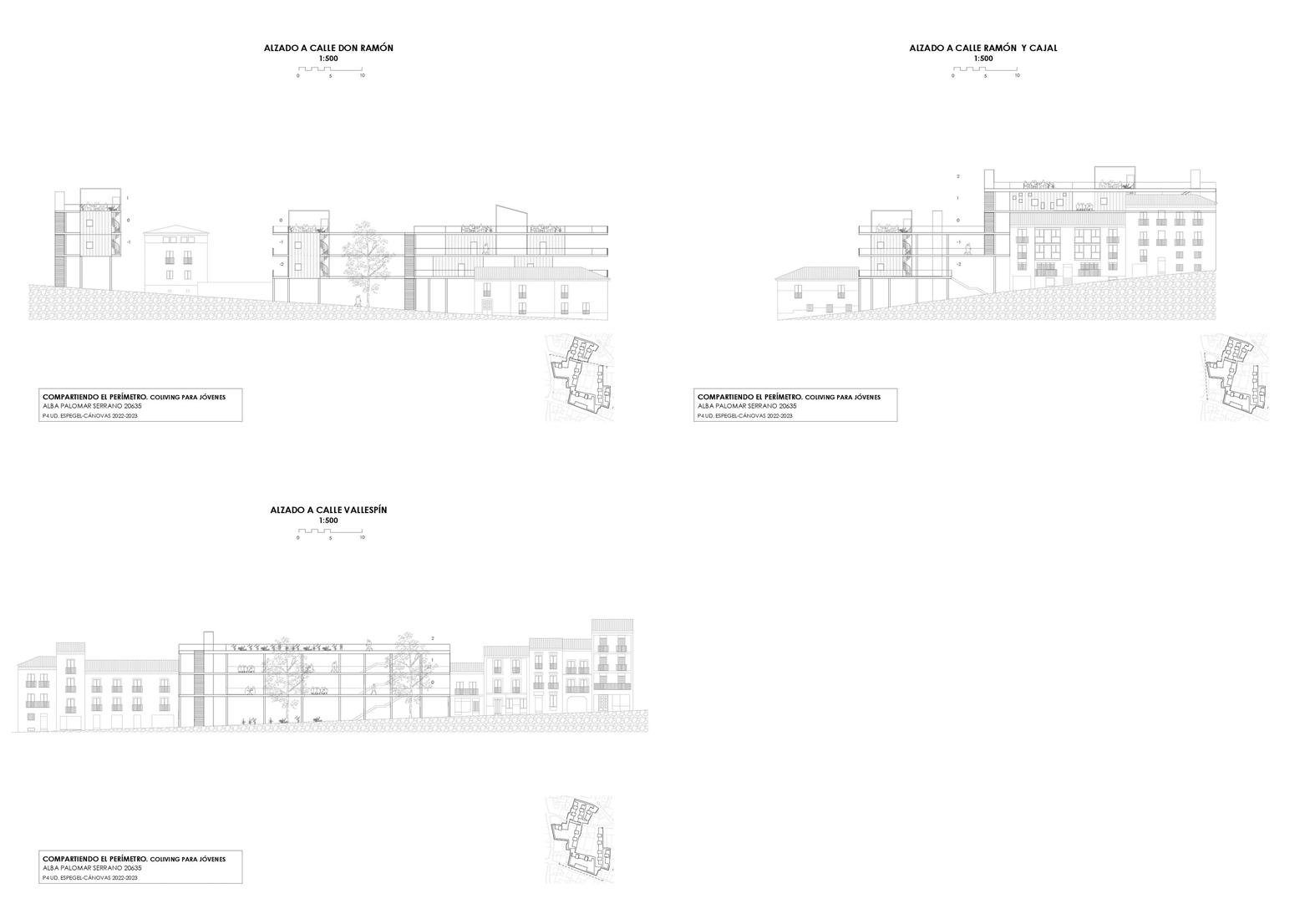
- 05 - General elevation
- 06 - Home cell. Plan
- 07 - Home cell. Section
- 08 - Model
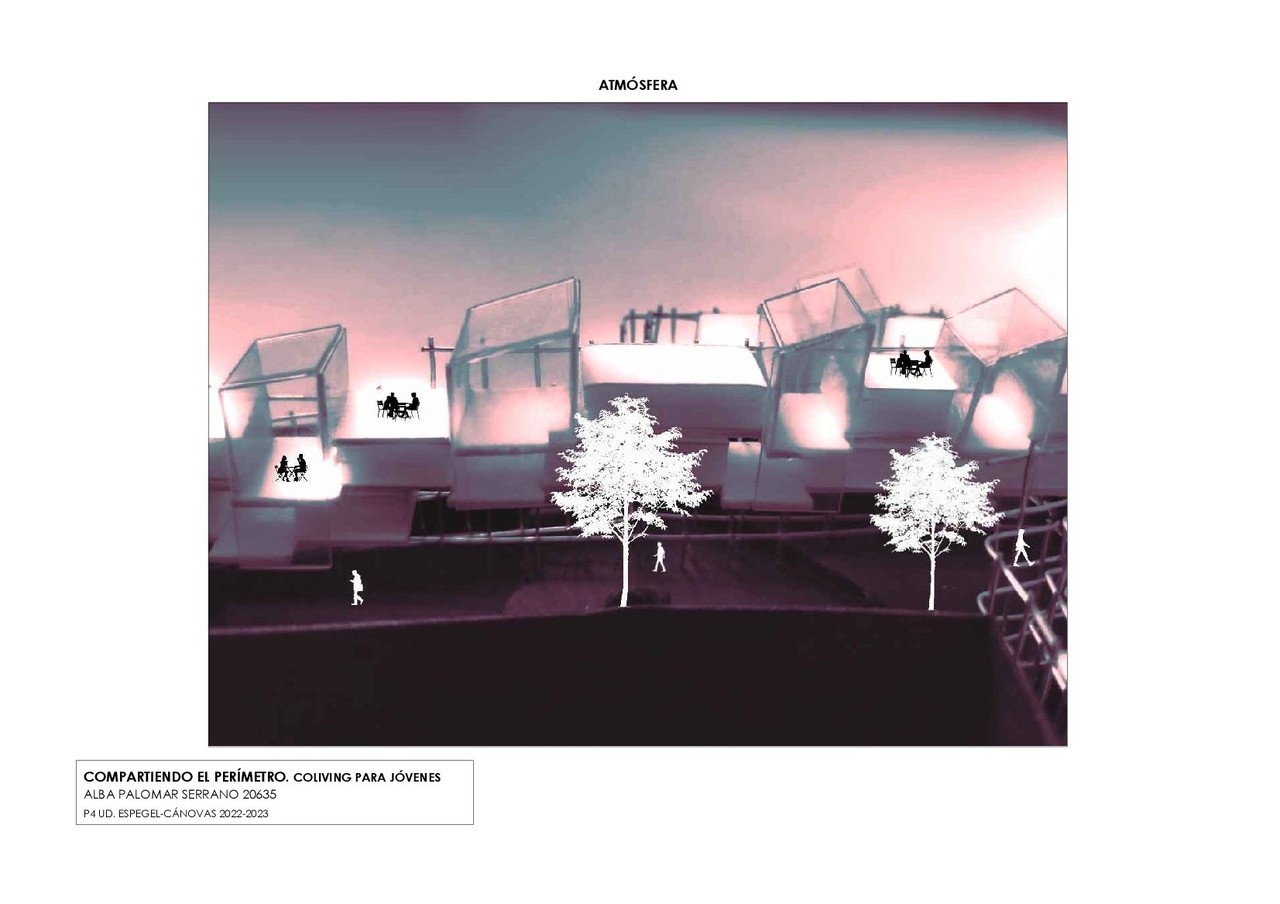
- 09 - Atmosphere 1
- 10 - Atmosphere 2
- 11 - Video