
URBAN AND SOCIAL CONNECTOR
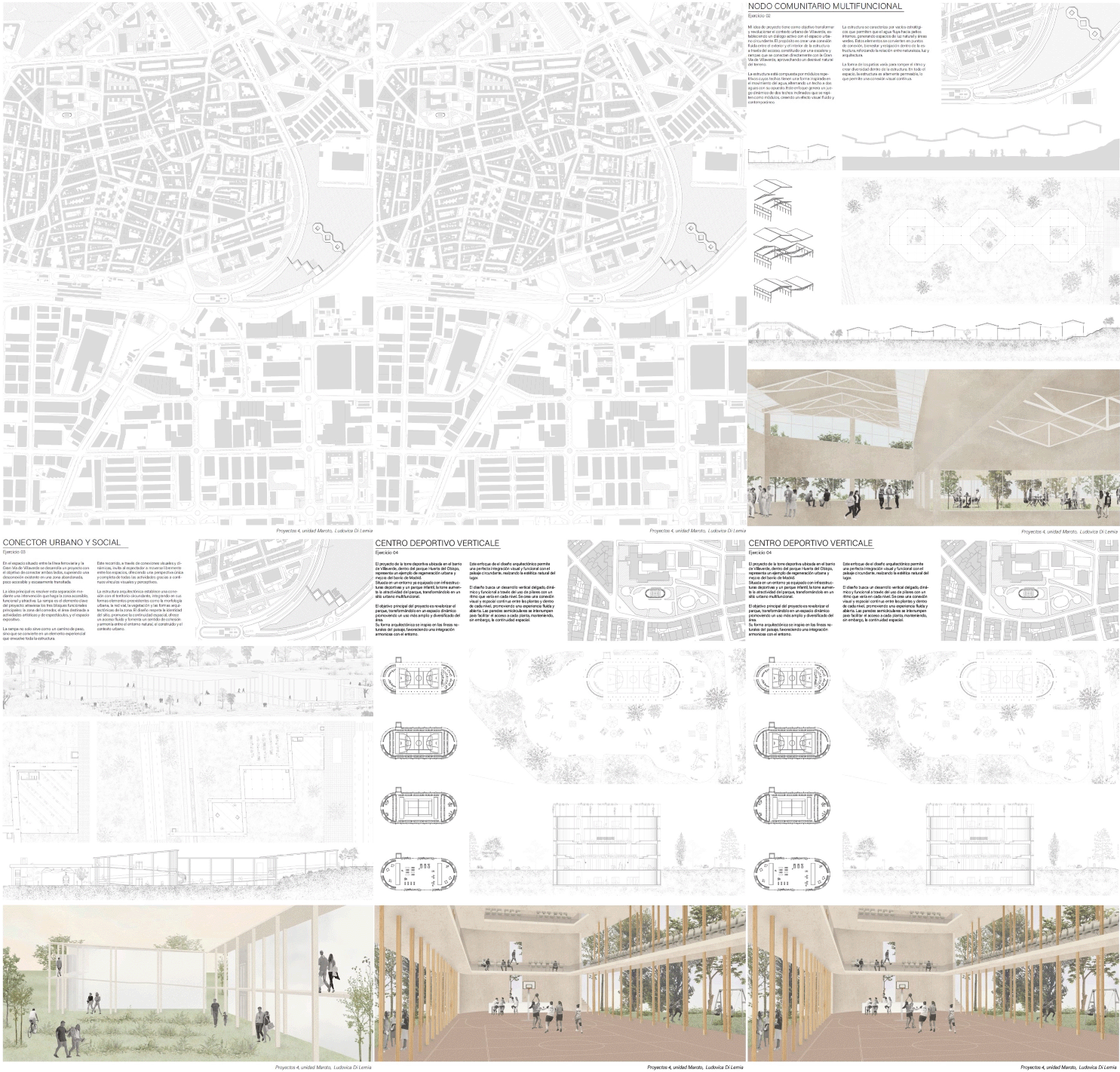
In this course, we developed four projects located in Villaverde, a neighborhood in the south of Madrid characterized by the predominance of industrial buildings and a lack of public spaces. This situation is the result of urban planning that prioritized the productive sector over the well-being of the community.
The neighborhood features a metro station from which two major mobility networks originate: the railway line and the Gran Vía. However, the existing infrastructure segments the urban space, creating disconnected areas. The course aims to requalify Villaverde by fostering social opportunities and creating a more accessible and appealing environment for the community.
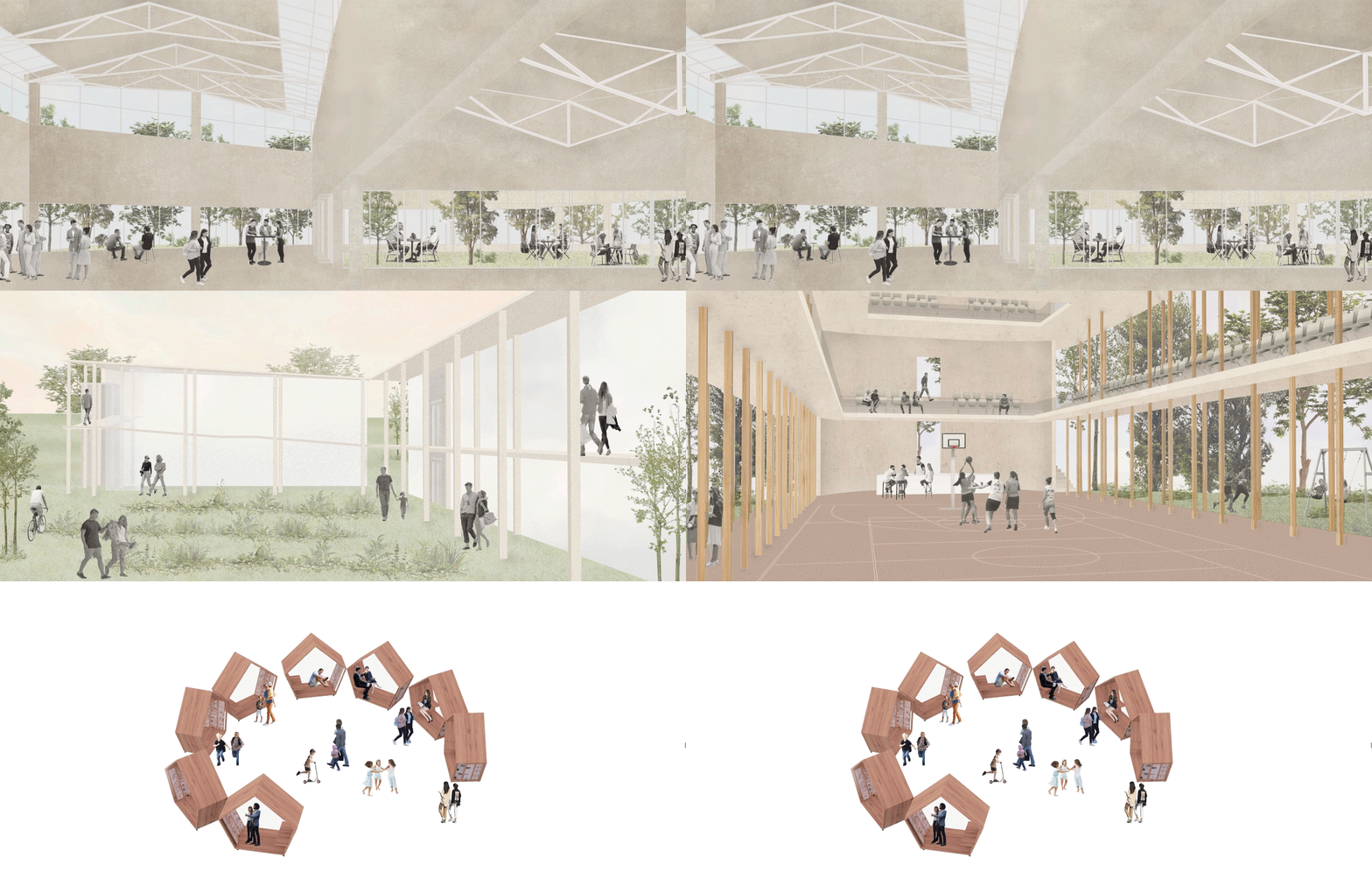
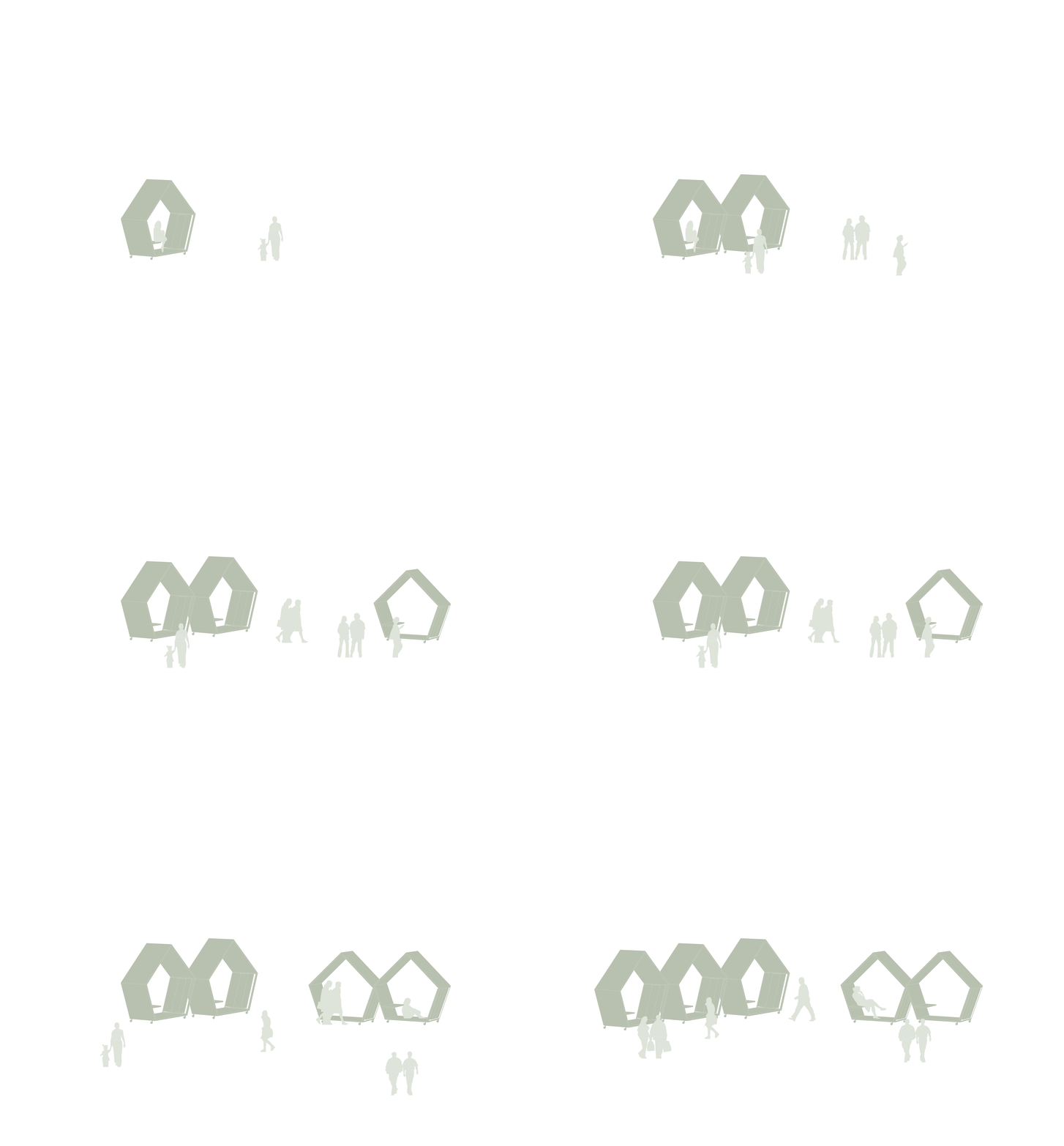
The first project is a modular and flexible kiosk, an innovative solution designed to adapt to different contexts. Thanks to its modular structure, it can be easily assembled, transported, and connected to other units. Each module provides an information point and a rest area, promoting social interaction and enhancing the quality of public spaces.
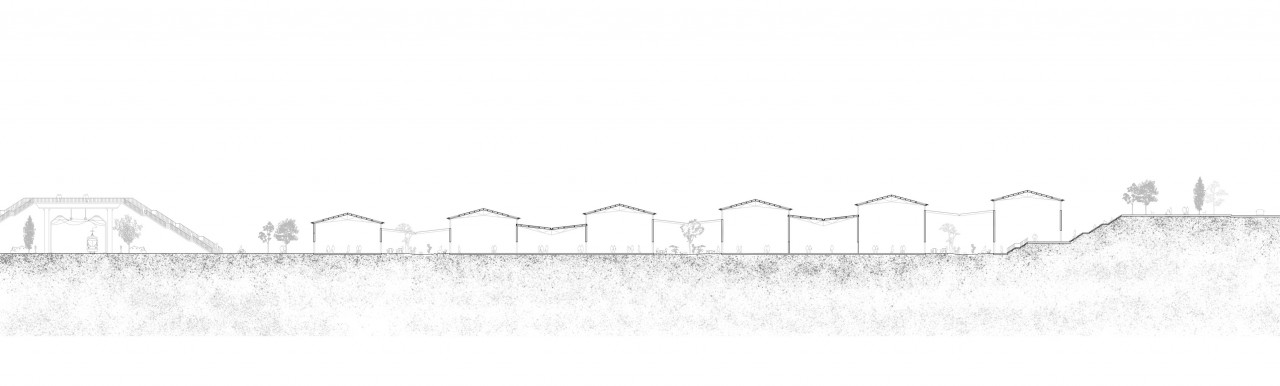
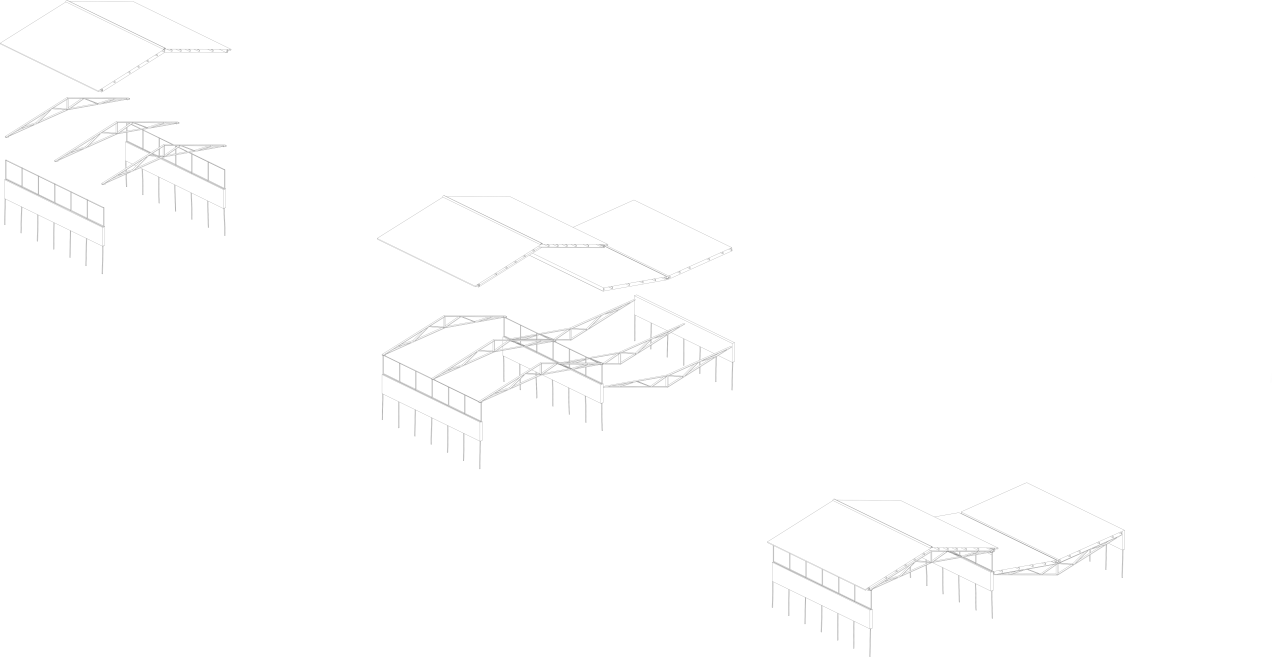
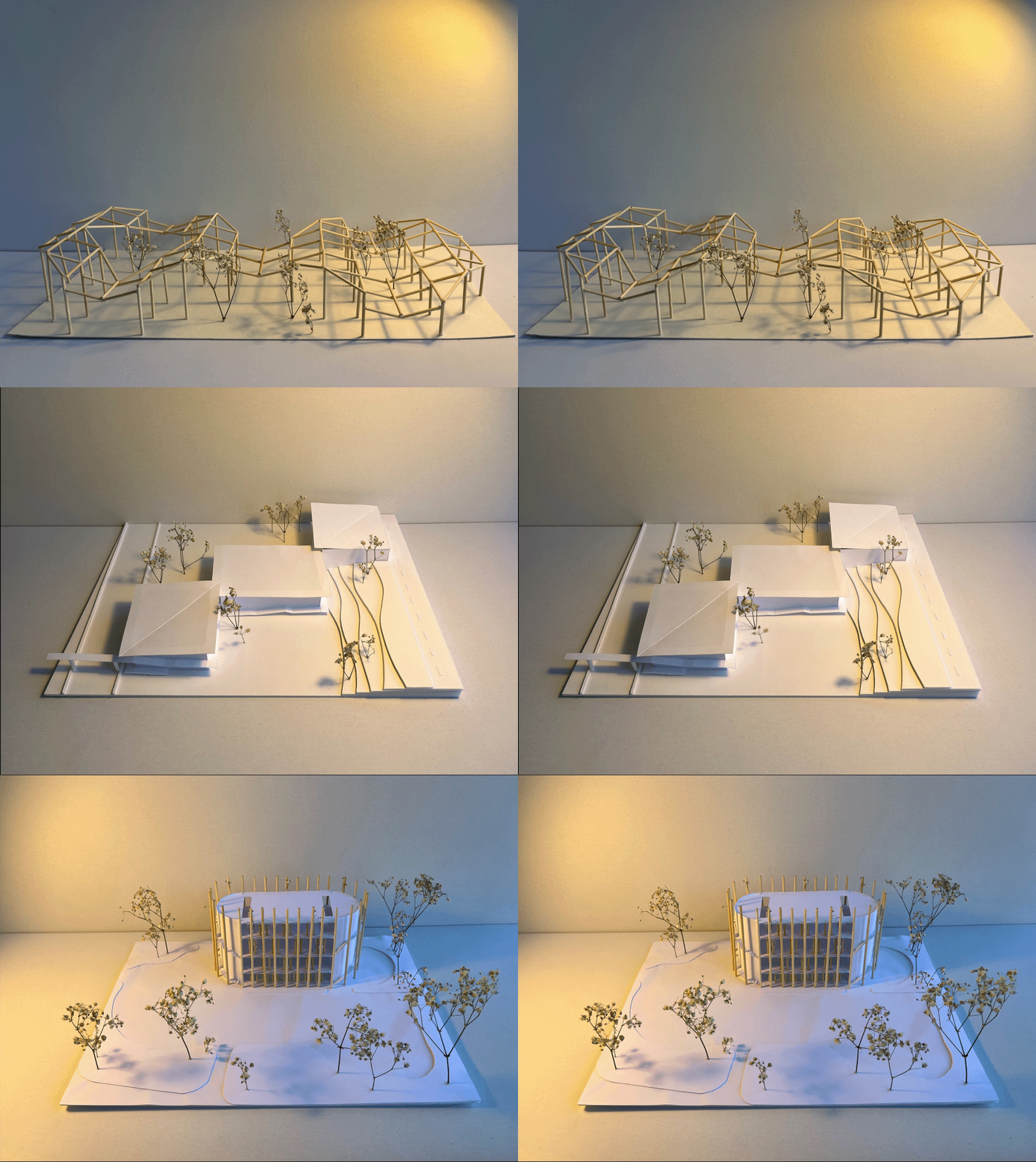
The second proposal focuses on revitalizing the area through an innovative design that establishes a seamless connection between the interior and exterior, taking advantage of the slope towards the Gran Vía de Villaverde. The modular structure, with inclined roofs inspired by the flow of water, creates a dynamic rhythm. Strategic voids direct water toward internal courtyards, generating bright and green environments. The variation in courtyard shapes disrupts the modular pattern, enhancing the spatial experience.
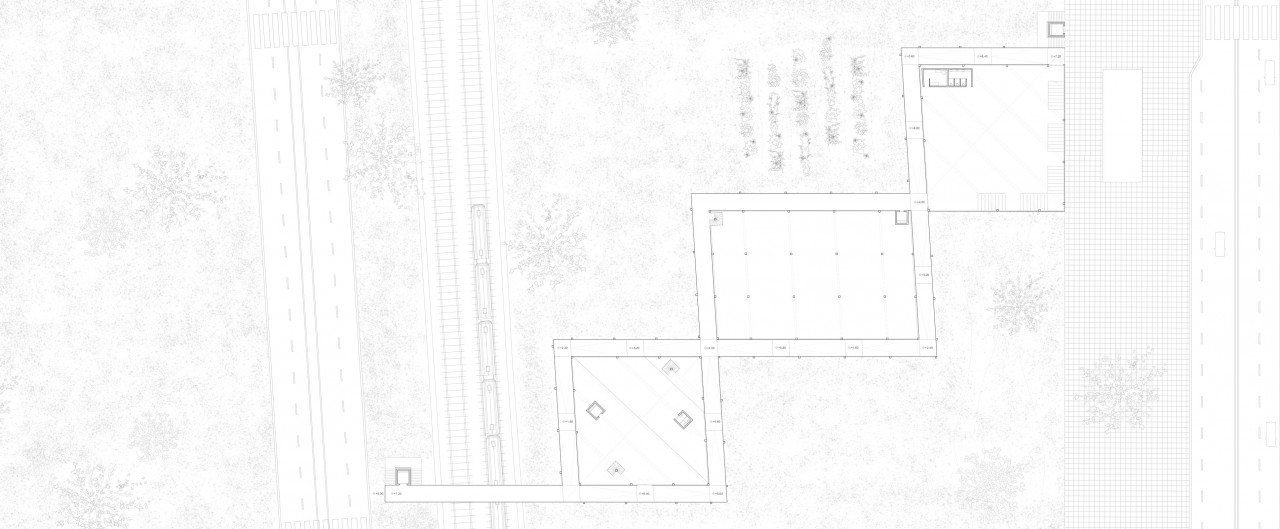
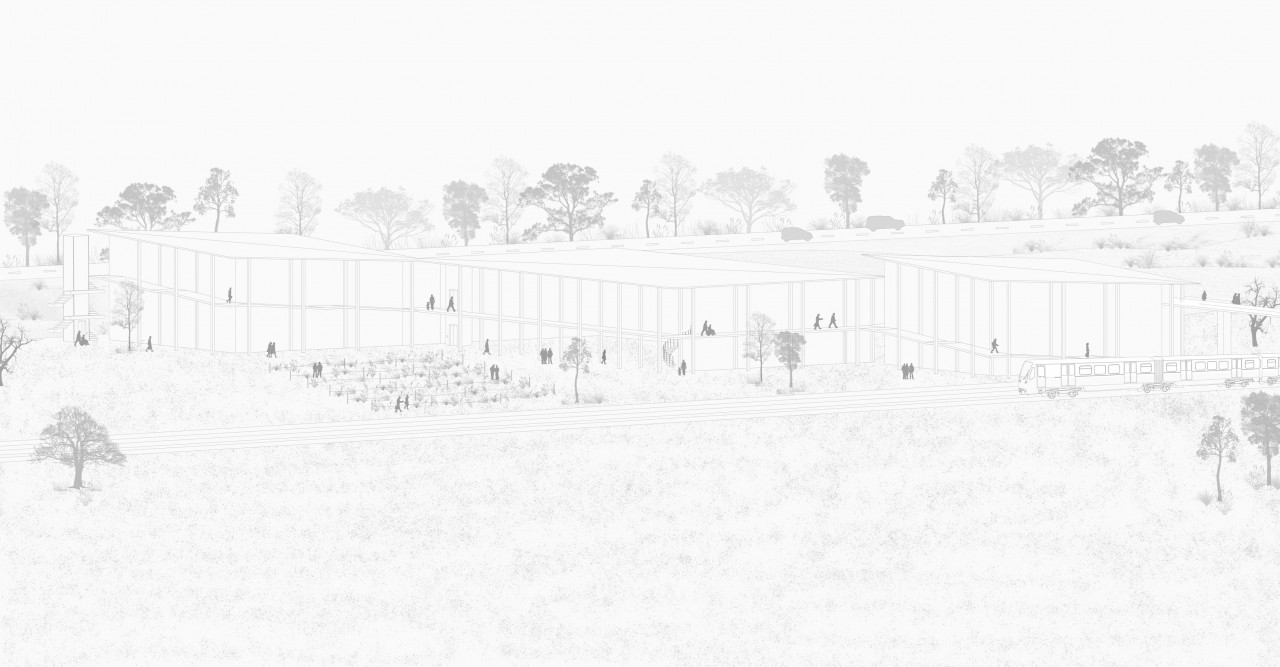
The third project seeks to connect the two sides of the area between the railway line and the Gran Vía de Villaverde, addressing the disconnection in an abandoned and hard-to-access zone. The intervention aims to resolve this separation and make the area functional, accessible, and attractive. The ramp is the key design element, running through the three functional blocks, enabling smooth circulation and establishing visual connections between spaces.
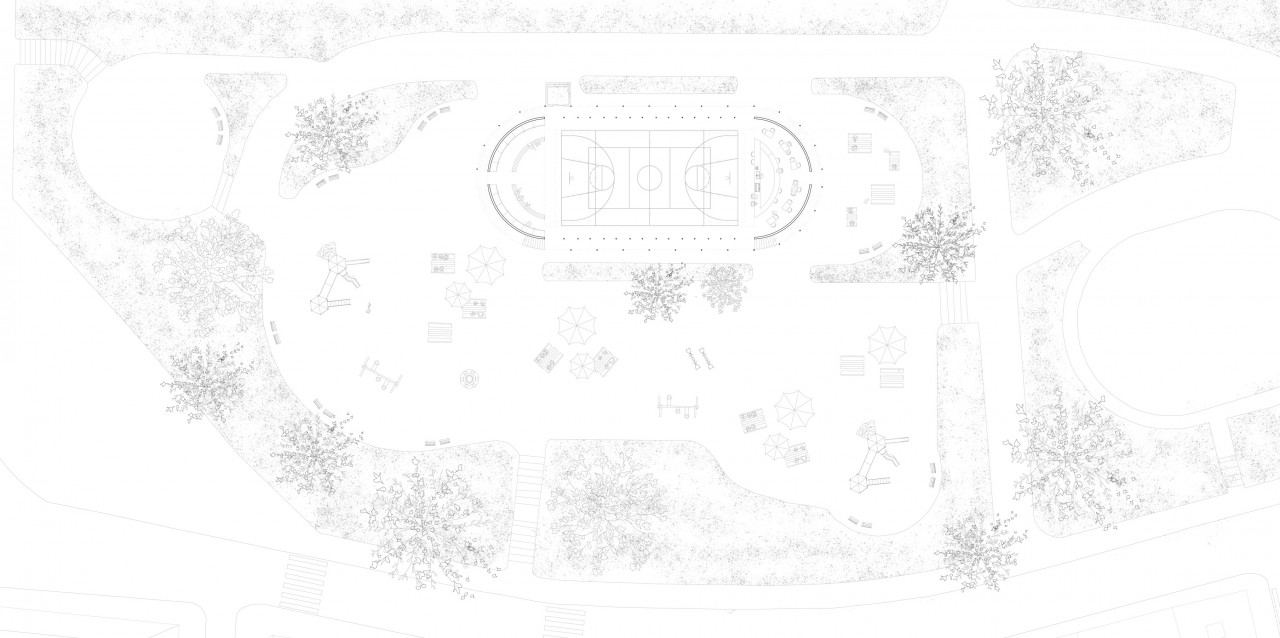
The final project is a sports tower located in the Huerta del Obispo park in Villaverde. It represents a fundamental intervention for the urban redevelopment of the neighborhood. Positioned in an area with sports facilities and a children’s playground, the tower transforms the space into a multifunctional urban hub. Its purpose is to revitalize the park, turning it into a dynamic and diverse space. The aesthetic configuration stems from the natural forms present in the park, aiming for harmonious integration with the surroundings. The openings in the tower ensure spatial continuity between the levels.
The neighborhood features a metro station from which two major mobility networks originate: the railway line and the Gran Vía. However, the existing infrastructure segments the urban space, creating disconnected areas. The course aims to requalify Villaverde by fostering social opportunities and creating a more accessible and appealing environment for the community.
The first project is a modular and flexible kiosk, an innovative solution designed to adapt to different contexts. Thanks to its modular structure, it can be easily assembled, transported, and connected to other units. Each module provides an information point and a rest area, promoting social interaction and enhancing the quality of public spaces.
The second proposal focuses on revitalizing the area through an innovative design that establishes a seamless connection between the interior and exterior, taking advantage of the slope towards the Gran Vía de Villaverde. The modular structure, with inclined roofs inspired by the flow of water, creates a dynamic rhythm. Strategic voids direct water toward internal courtyards, generating bright and green environments. The variation in courtyard shapes disrupts the modular pattern, enhancing the spatial experience.
The third project seeks to connect the two sides of the area between the railway line and the Gran Vía de Villaverde, addressing the disconnection in an abandoned and hard-to-access zone. The intervention aims to resolve this separation and make the area functional, accessible, and attractive. The ramp is the key design element, running through the three functional blocks, enabling smooth circulation and establishing visual connections between spaces.
The final project is a sports tower located in the Huerta del Obispo park in Villaverde. It represents a fundamental intervention for the urban redevelopment of the neighborhood. Positioned in an area with sports facilities and a children’s playground, the tower transforms the space into a multifunctional urban hub. Its purpose is to revitalize the park, turning it into a dynamic and diverse space. The aesthetic configuration stems from the natural forms present in the park, aiming for harmonious integration with the surroundings. The openings in the tower ensure spatial continuity between the levels.

- 00 - Description
- 01 - course summary
- 02 - project 1
- 03 - section,project 2
- 04 - axonometry,project 2
- 05 - plan,project 3
- 06 - axonometry,project 3
- 07 - plan, project 4
- 08 - project 4
- 09 - models
- 10 - proyectos
- 11 - Video