
Embajada EEUU
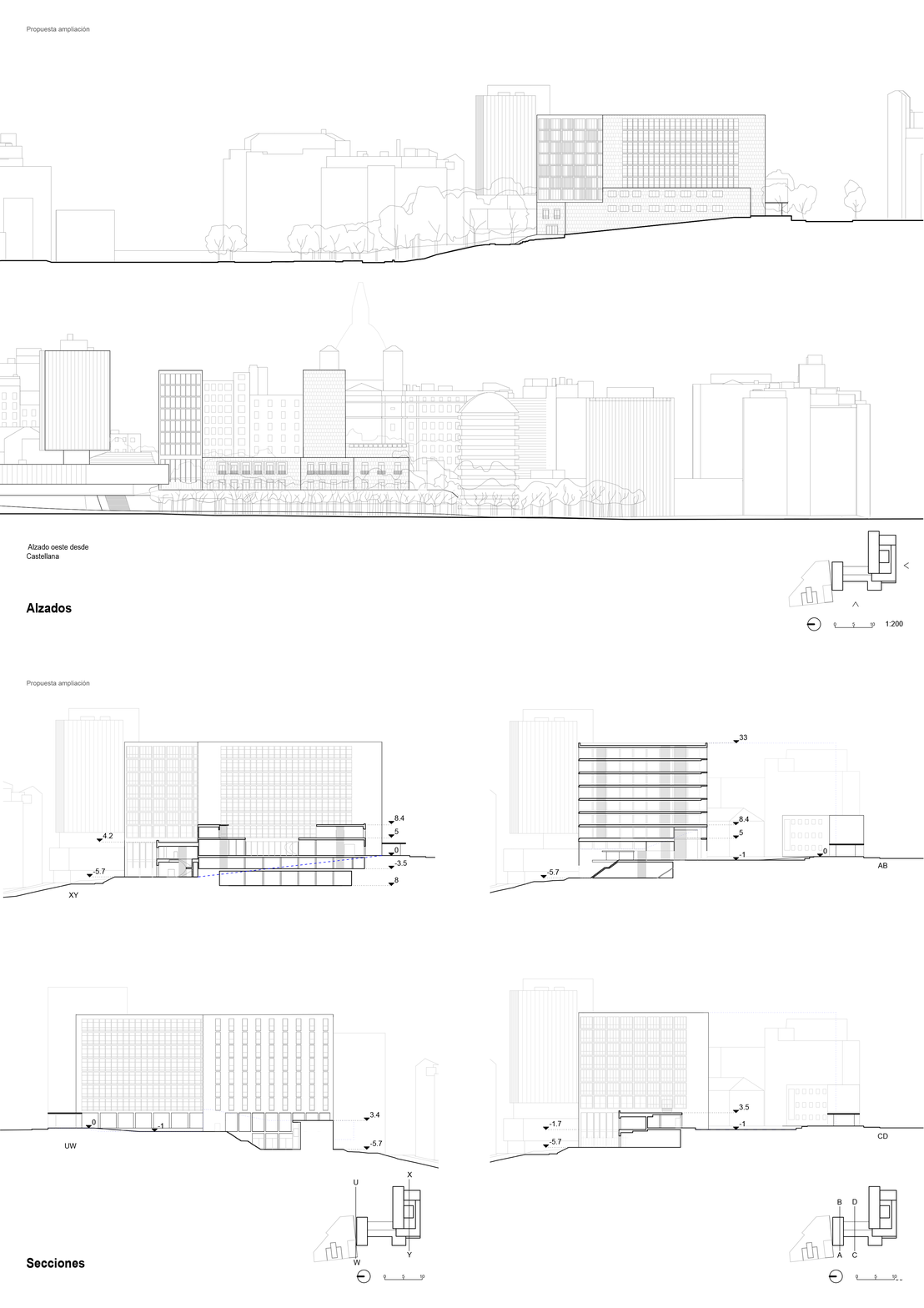
The United States Embassy in Madrid was constructed between 1950 and 1955 on the grounds of the former Huerta de Cánovas, a privileged location with more than a 10-meter difference in elevation between Serrano and Castellana street. The building was placed in the upper part of the estate, allowing the existing trees to be preserved.
In 1955, shortly after its inauguration, the embassy hosted a critical session published in the National Architecture Magazine. In this session, many renowned architects such as Luis Moya, Miguel Fisac, and Secundino Zuazo gave their opinions on this construction. The constructive criticisms from that meeting, along with the new challenges of our time, have inspired the current proposal for the expansion and remodeling of the embassy.
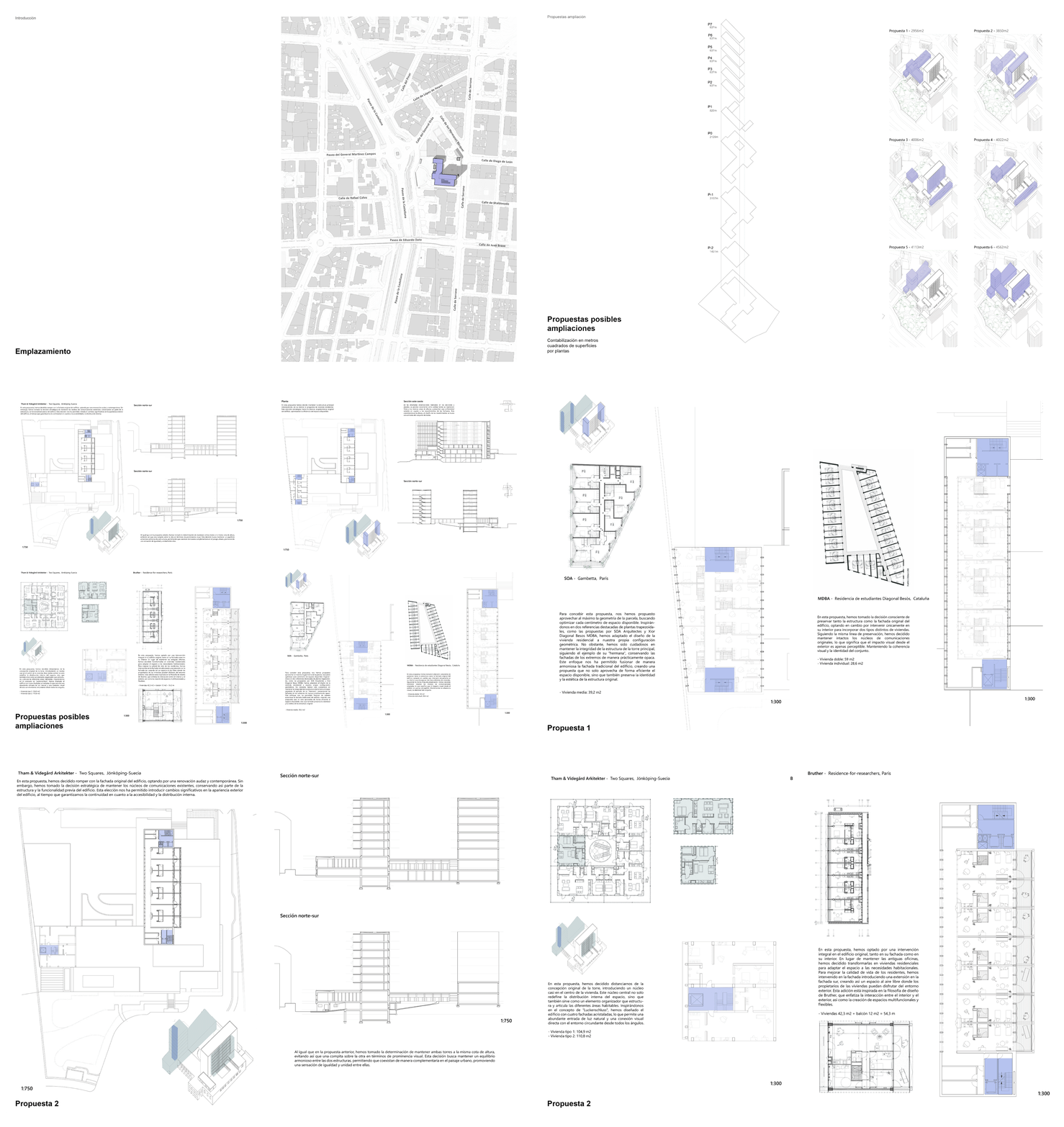
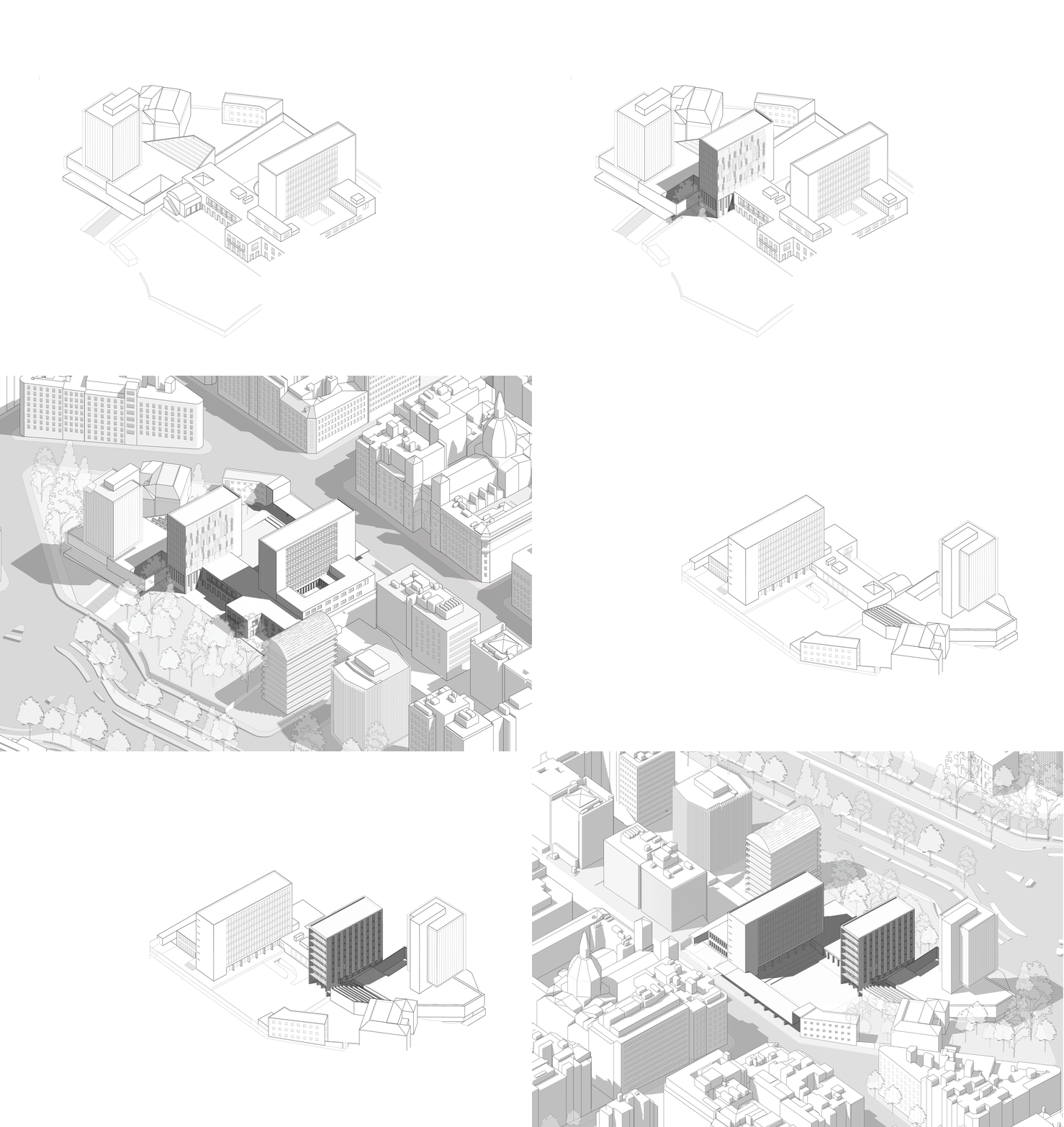
There is a hypothesis about the need for expansion and the possibilities of the plot. Two proposals are developed, exploring existing residential building configurations that fit the project. In the final proposal, new typologies are implemented to meet the current needs of the city. A Student Residence: modern and well-equipped, a Civic Center where cultural and recreational activities are held, and a Senior Residence are created.
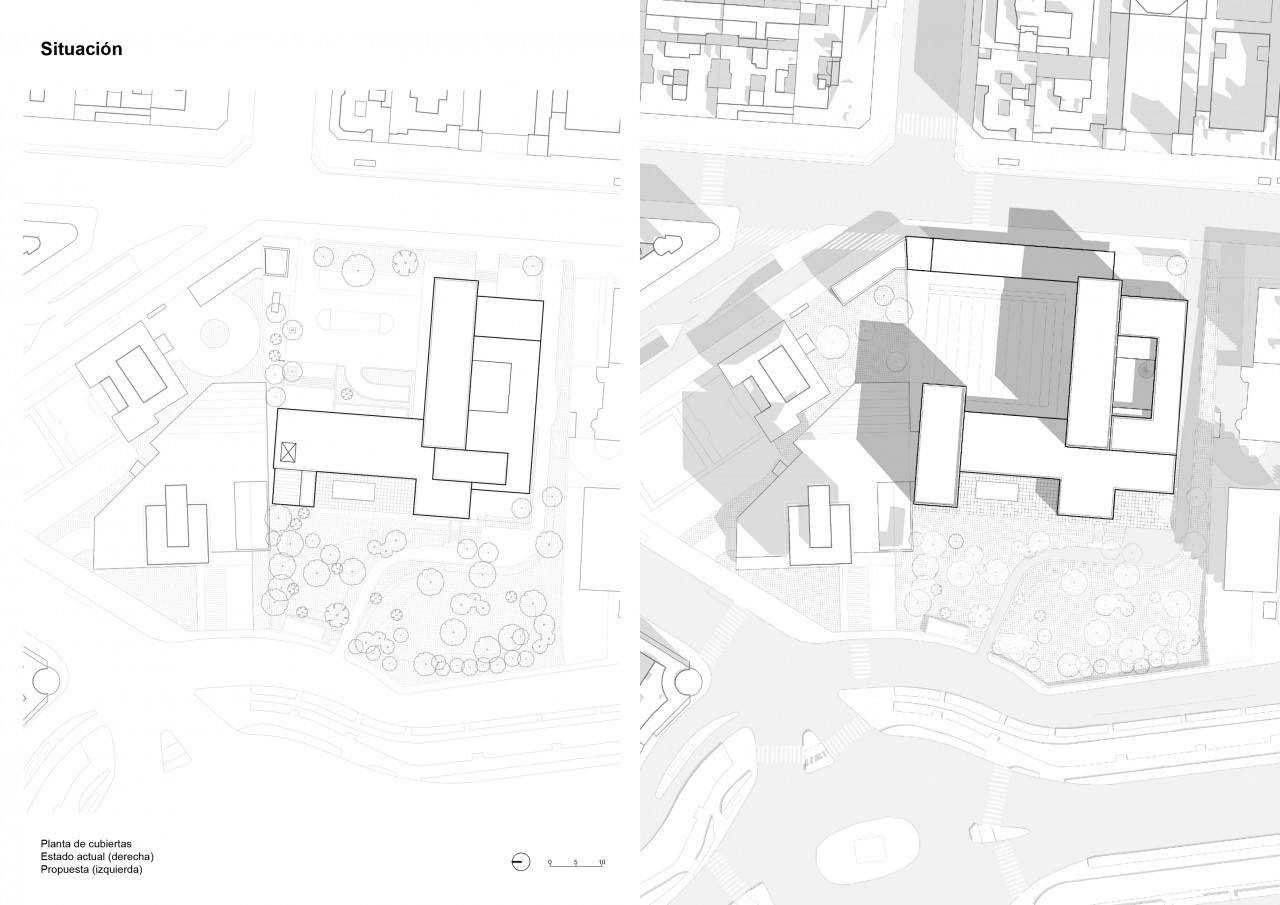
Thus, there were four principles for the general design of volumes: respecting the mass of the existing trees, creating a body that serves as a transition between the Castellana and the embassy tower, giving up ground space with the creation of a plaza on Serrano, and respecting the pre-existing structures.
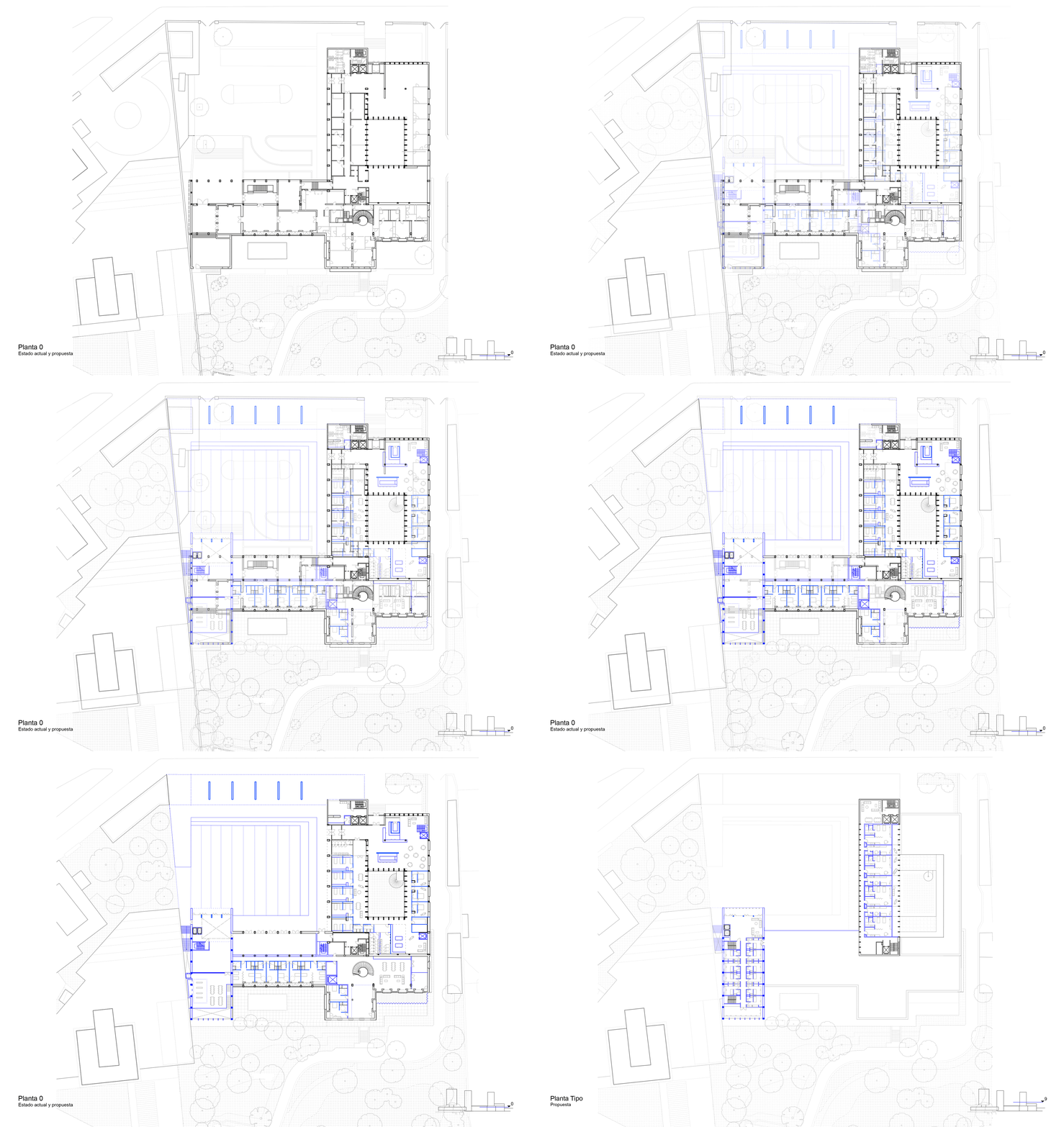
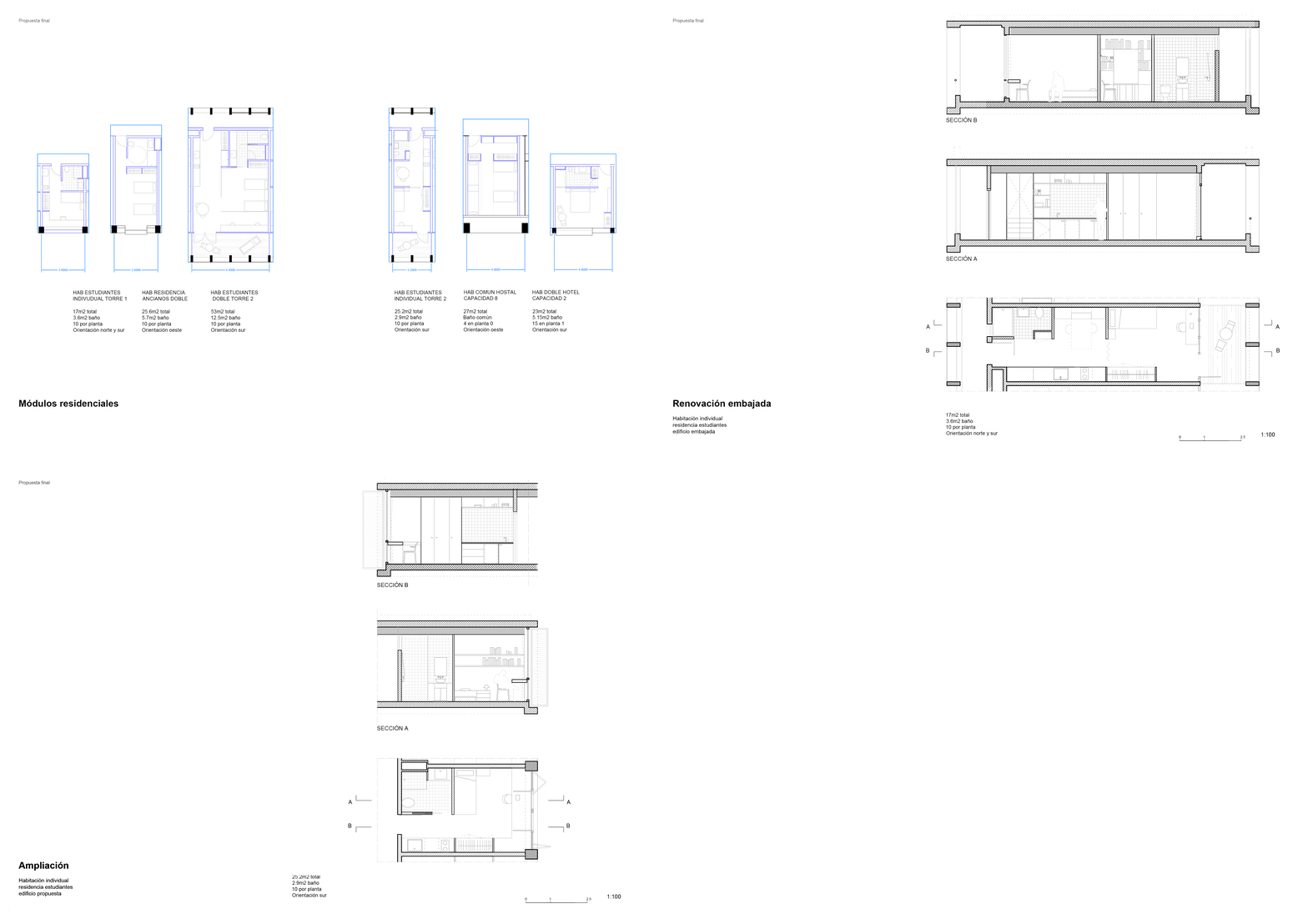
Six residential modules are proposed for the implanted typologies. In the embassy, double and single rooms for students are placed with a terrace on their south side, a key strategy to improve the building’s energy efficiency. The north side is reserved as a communication space. In the extension, the rooms are situated along the longitudinal axis, leaving the meeting and study spaces on the east and west elevations to enjoy the privileged location of the complex.
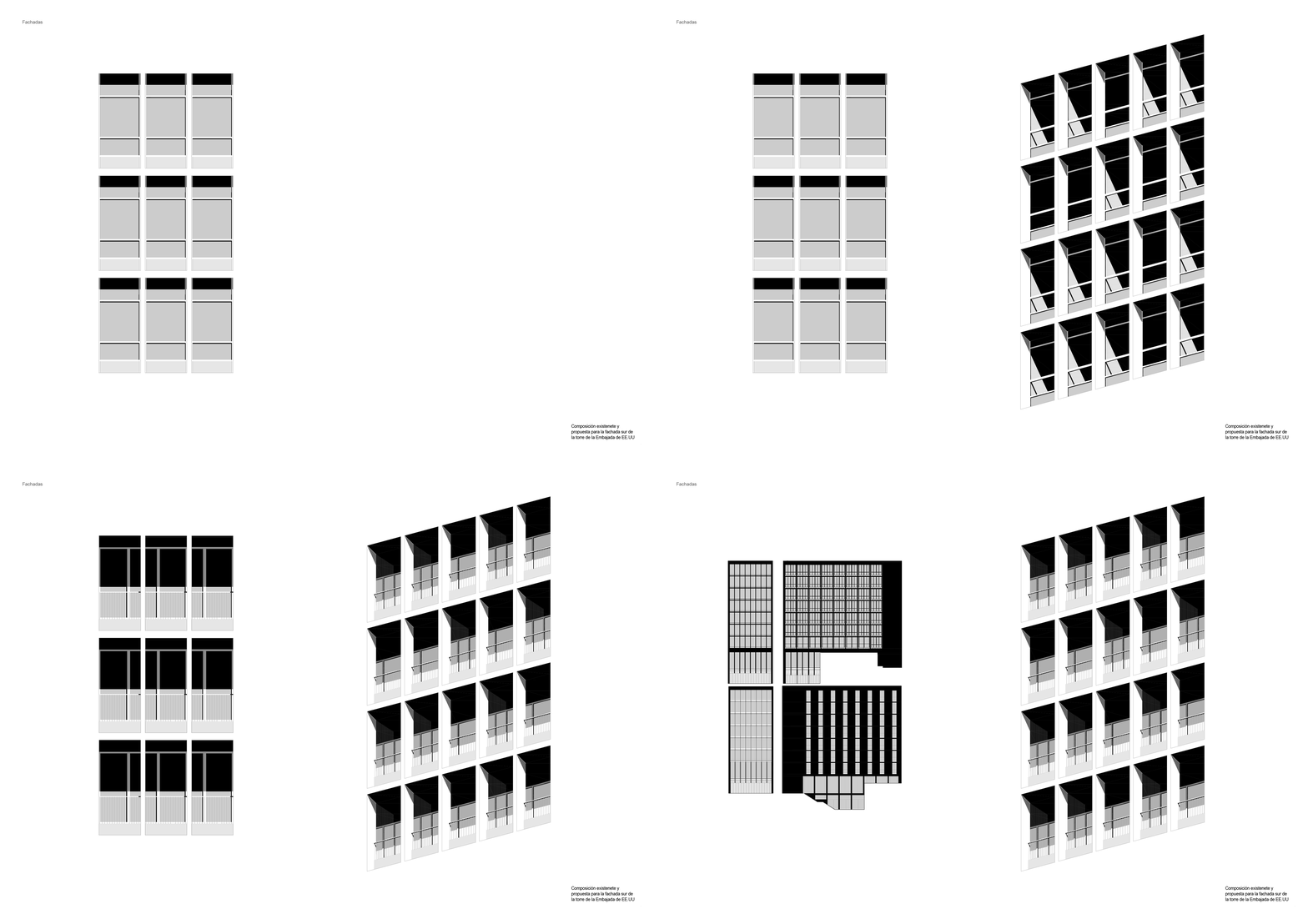
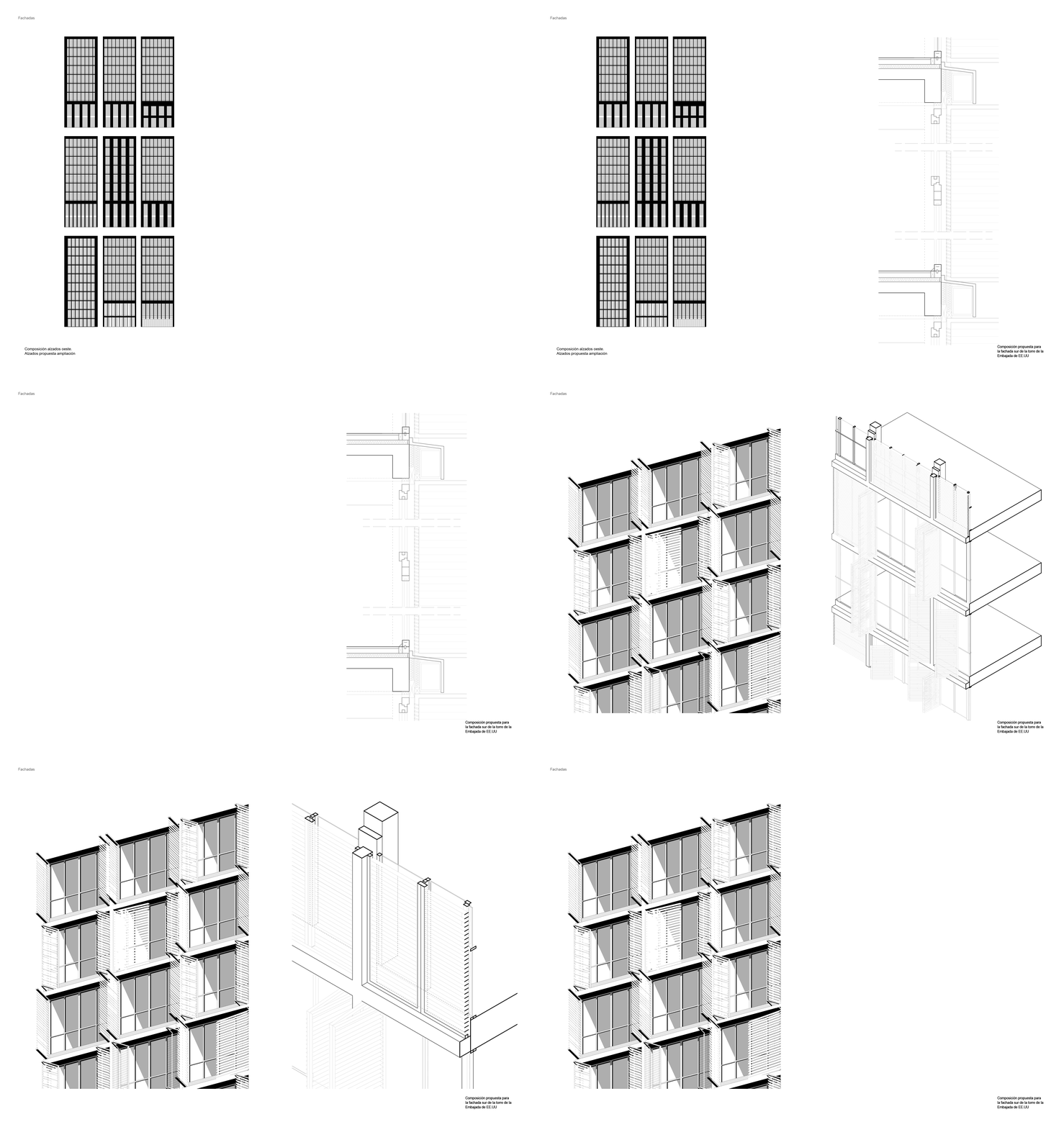
The north and south facades now receive different treatments, adapting to the specific needs of each orientation. The south and east orientations are equipped with movable solar protection systems, such as adjustable blinds and louvers, which allow control of the amount of light and heat entering the building throughout the day. The chosen systems contribute to creating a comfortable and energy-efficient interior environment, while also respecting the aesthetics and character of the historic building.
The plot's location between two streets of such different character, combined with the elevation difference, enabled the natural coexistence of these public and private functions. Respecting the principles of the original project, the more public part is not Castellana but Serrano. The residence overlooks the private garden of Castellana. The barriers that once enclosed Serrano are opened to create a plaza that, combined with the gardens of the Castellana building, creates a public space with two distinct environments: a stepped plaza and a wooded area. Everything is framed by a canopy that manifests the complex meeting of the party wall. Following the diagonals created by both neighboring buildings, a ramp is defined to connect the plaza with the street level.
In 1955, shortly after its inauguration, the embassy hosted a critical session published in the National Architecture Magazine. In this session, many renowned architects such as Luis Moya, Miguel Fisac, and Secundino Zuazo gave their opinions on this construction. The constructive criticisms from that meeting, along with the new challenges of our time, have inspired the current proposal for the expansion and remodeling of the embassy.
There is a hypothesis about the need for expansion and the possibilities of the plot. Two proposals are developed, exploring existing residential building configurations that fit the project. In the final proposal, new typologies are implemented to meet the current needs of the city. A Student Residence: modern and well-equipped, a Civic Center where cultural and recreational activities are held, and a Senior Residence are created.
Thus, there were four principles for the general design of volumes: respecting the mass of the existing trees, creating a body that serves as a transition between the Castellana and the embassy tower, giving up ground space with the creation of a plaza on Serrano, and respecting the pre-existing structures.
Six residential modules are proposed for the implanted typologies. In the embassy, double and single rooms for students are placed with a terrace on their south side, a key strategy to improve the building’s energy efficiency. The north side is reserved as a communication space. In the extension, the rooms are situated along the longitudinal axis, leaving the meeting and study spaces on the east and west elevations to enjoy the privileged location of the complex.
The north and south facades now receive different treatments, adapting to the specific needs of each orientation. The south and east orientations are equipped with movable solar protection systems, such as adjustable blinds and louvers, which allow control of the amount of light and heat entering the building throughout the day. The chosen systems contribute to creating a comfortable and energy-efficient interior environment, while also respecting the aesthetics and character of the historic building.
The plot's location between two streets of such different character, combined with the elevation difference, enabled the natural coexistence of these public and private functions. Respecting the principles of the original project, the more public part is not Castellana but Serrano. The residence overlooks the private garden of Castellana. The barriers that once enclosed Serrano are opened to create a plaza that, combined with the gardens of the Castellana building, creates a public space with two distinct environments: a stepped plaza and a wooded area. Everything is framed by a canopy that manifests the complex meeting of the party wall. Following the diagonals created by both neighboring buildings, a ramp is defined to connect the plaza with the street level.
- 00 - Description
- 01 - 1_Site
- 02 - 2_Proposal
- 03 - 3_Plans
- 04 - 4_Catalog
- 05 - 5_Axos
- 06 - 6_Facade-1
- 07 - 7_Facade-2
- 08 - 8_Sections
- 09 - 9_Model-1
- 10 - 10_Model-2
- 11 - Video