
The line 100
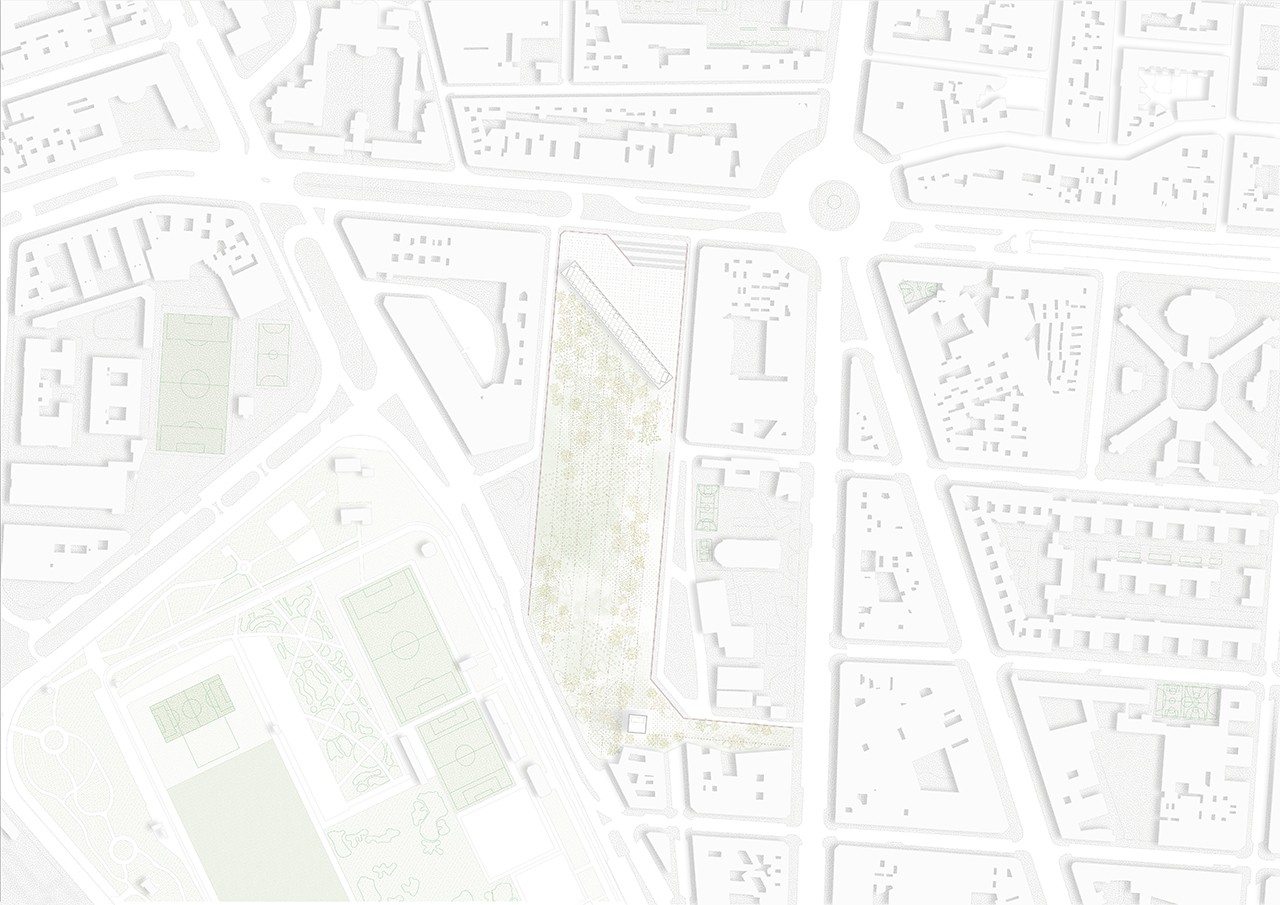
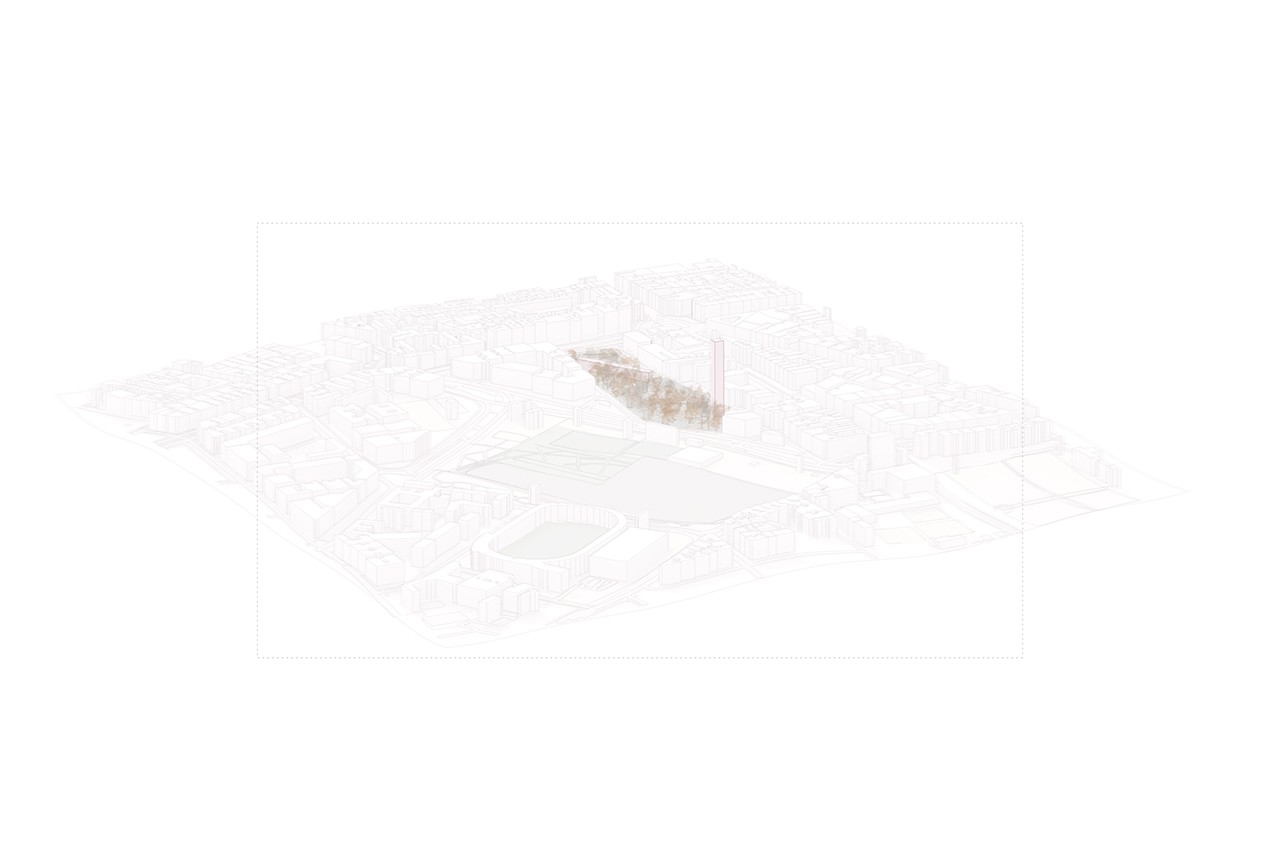
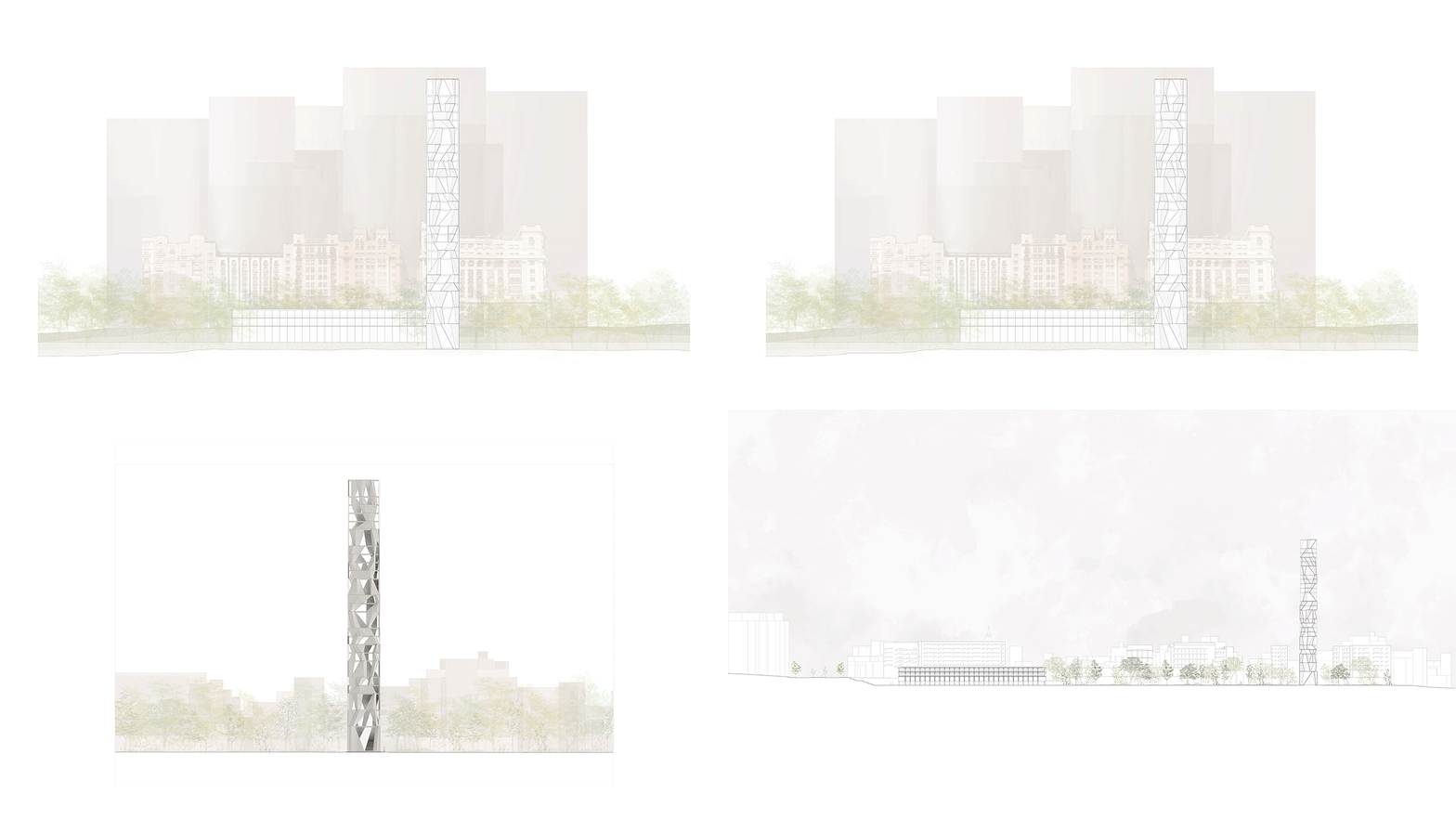
We are in Madrid, in the old Cuatro Caminos depot. A peculiar place in the heart of the capital. On this uninhabited plot, a new space of interest for the city and its neighbors will be developed. Thus, creating a new idea of a park in which two residential buildings of 100 meters in length and height respectively will stand out.
The building is arranged diagonally at the northern end of the plot, creating a triangular square and acting as a barrier between it and the extensive park that occupies most of the plot.
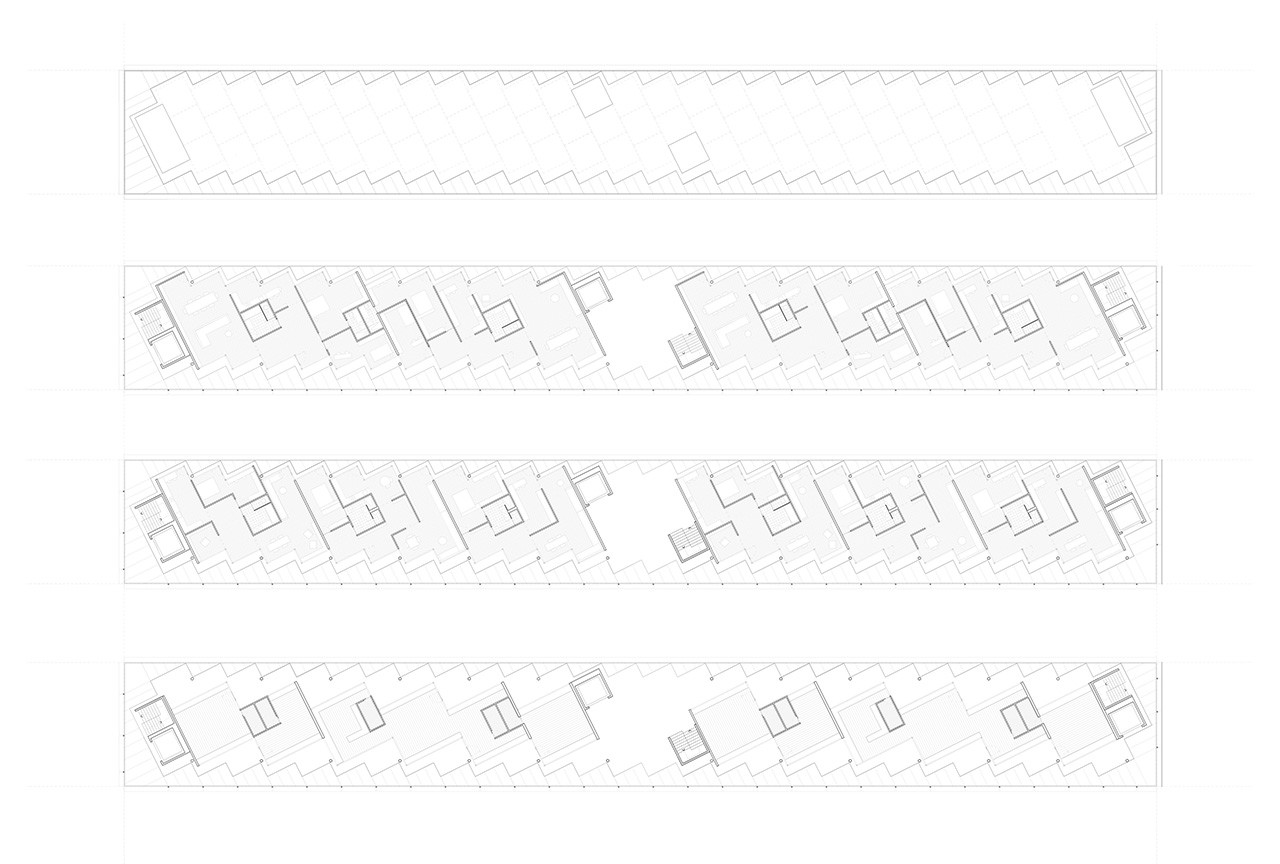
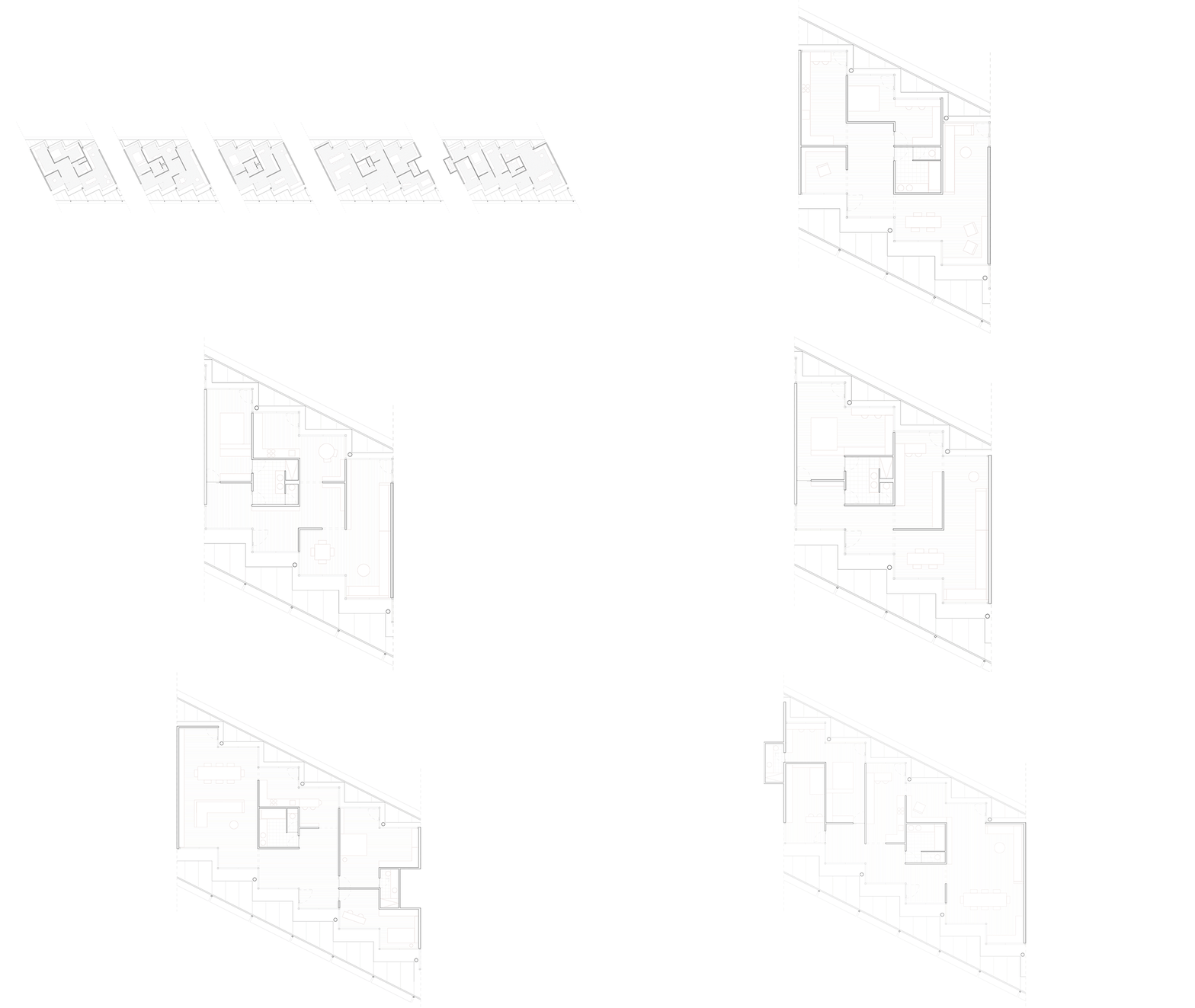
Within the 100x10x10 meter parallelepiped, the dwellings are planned in a saw-tooth layout, which generates façades open to the four cardinal points. In addition, a certain degree of privacy is achieved both in the deep terrace that continues open to the southwest and in the balconies facing northeast. There will be five housing typologies. These will be modular thanks to the layout of the living spaces. They will seek to make the best use of space by avoiding corridors within them.
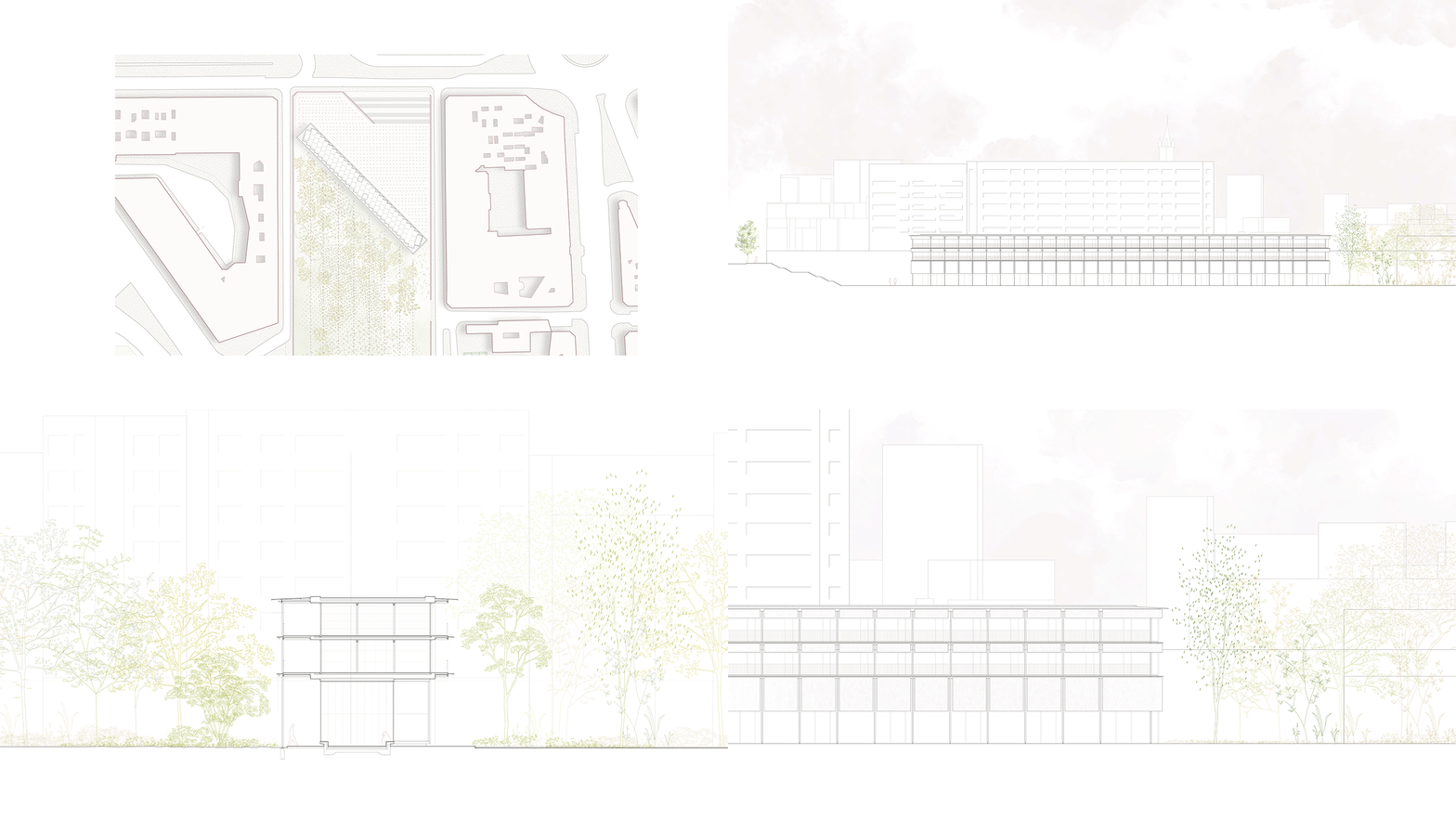
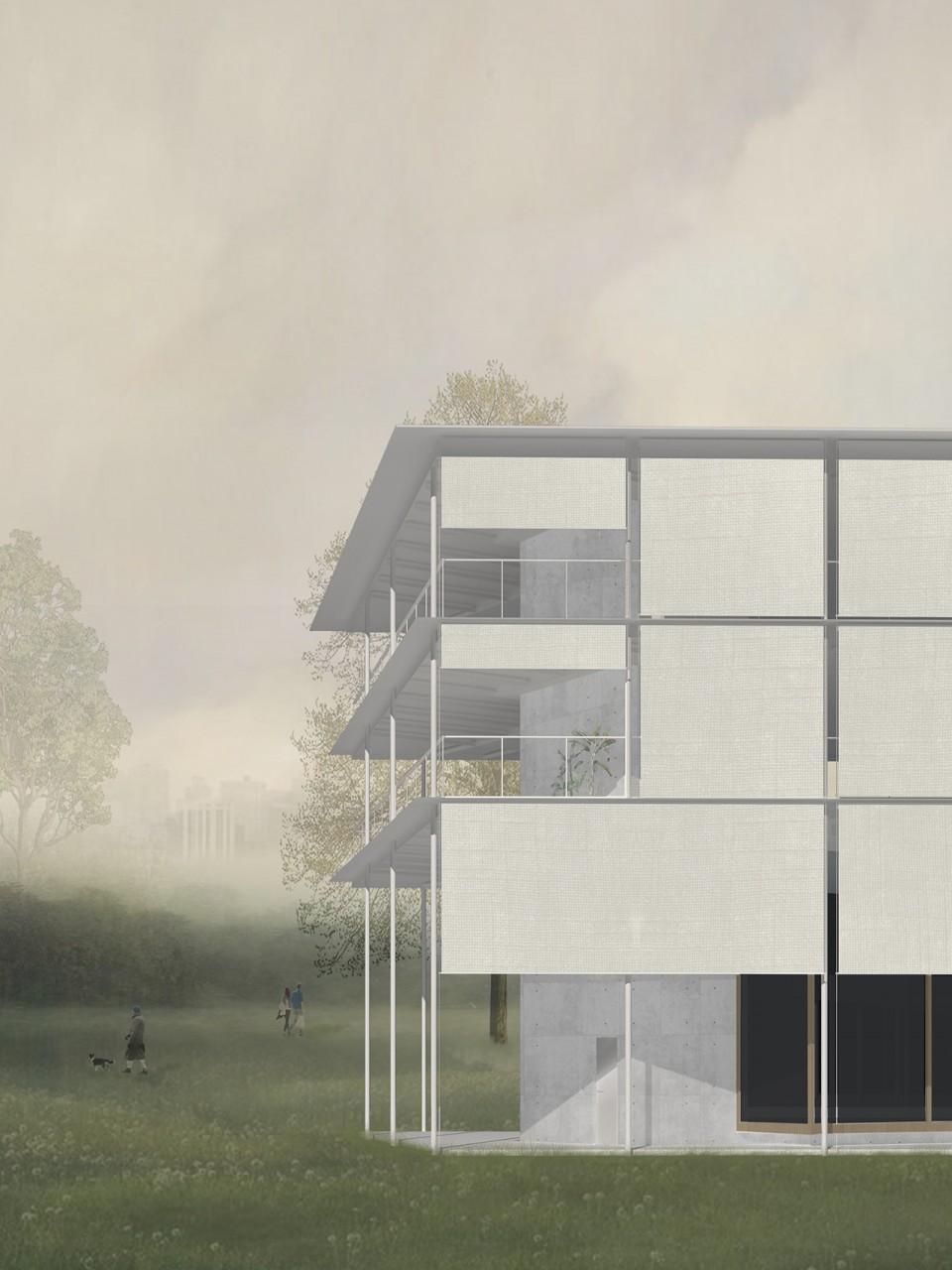
In section, the double-height ground floor houses public spaces, such as services and shops, while the dwellings occupy the two upper floors. On the southwest façade, vertical awnings complete the volume of the parallelepiped, allowing the terrace to be used as an additional living space on the hottest days of Madrid's summer.
The construction is resolved with a main structure of reinforced concrete to which a lighter metal structure is added to build the terraces and balconies. In this way, the building is lightened from the center towards its ends, like so many structures available in nature.
The horizontality will then be set aside in favor of verticality. A second residential building 100 meters high.
A different design process is followed for the tower project. The starting point is a 1:200 scale model made in epoxy resin in which the pieces corresponding to the slabs are deformed by the heat, giving rise to random undulating shapes that are taken as the basis for the design of the tower.
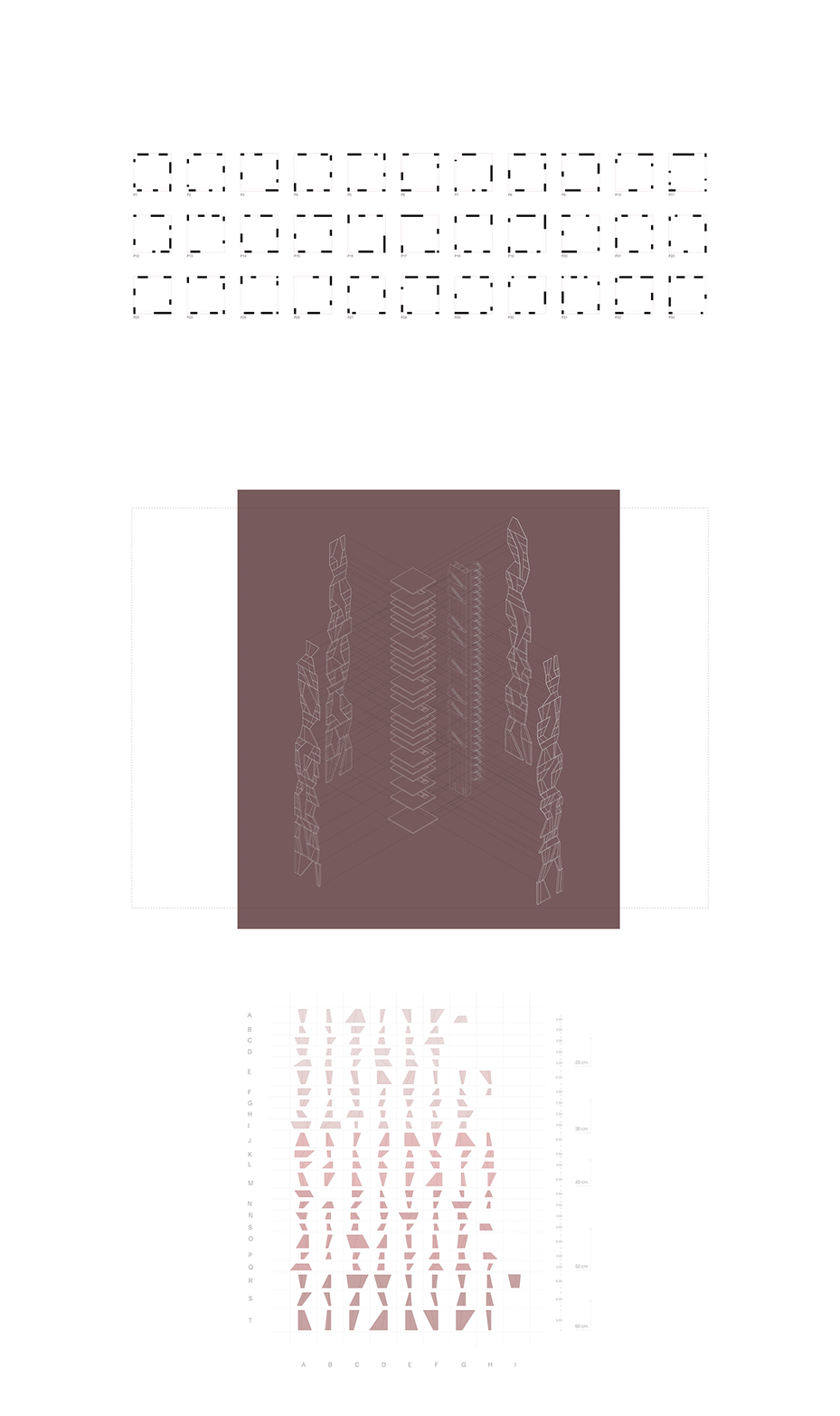
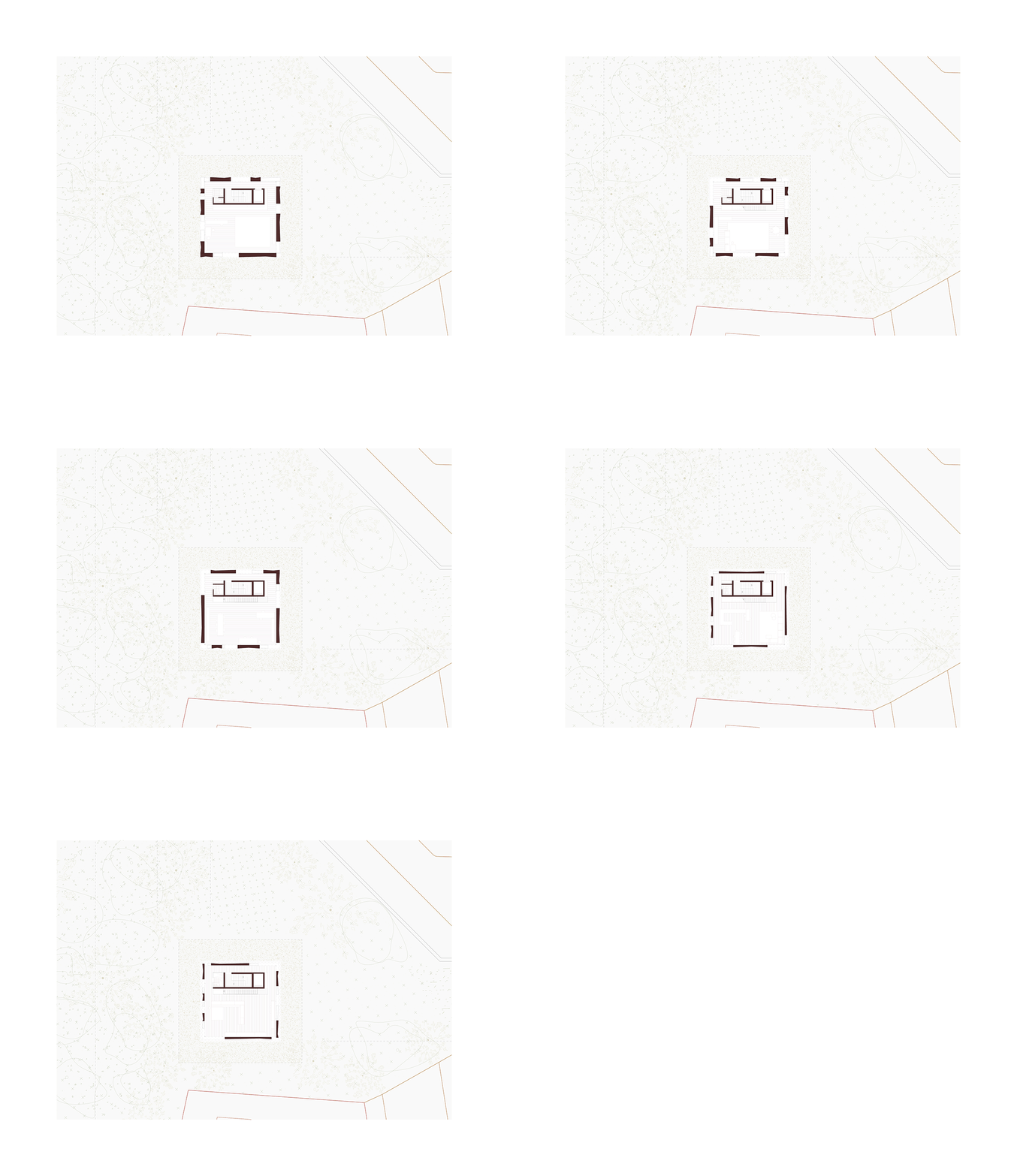
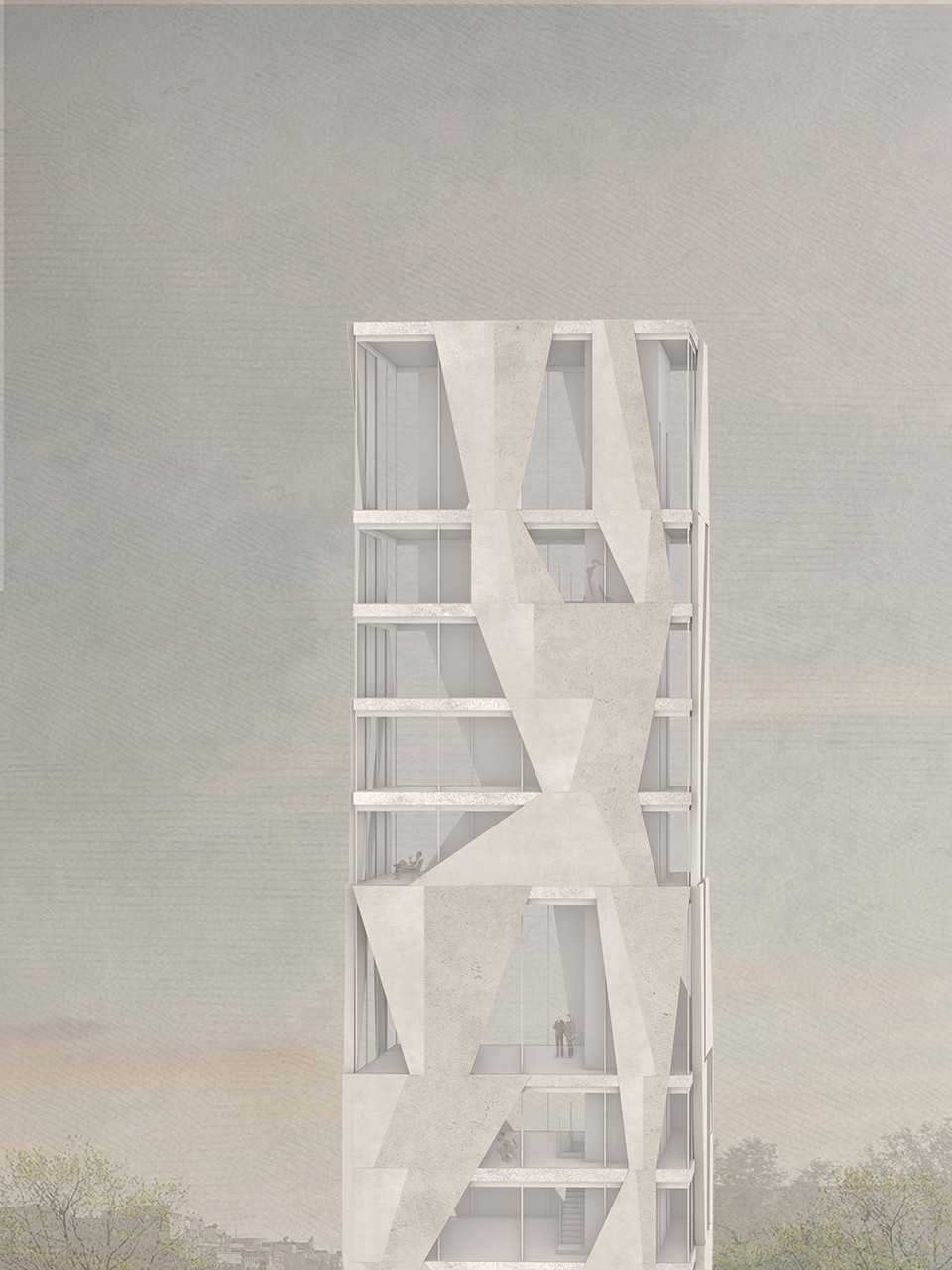
To emulate the undulating and variable sensation of the model, concrete structural supports of various shapes are arranged around the perimeter of the floor, which become lighter as the height increases. It should be noted that these are not ornamental pieces but perimeter elements. They are made up of two non-coplanar planes, turned towards each other.
It is the light which, over time, will shape these elements by casting its own shadow on them, and give movement to the rigid supports. In addition, the variety of shapes in these structural walls makes each floor a unique space, with light entering each dwelling in a different way.
In the tower, the open spaces will be enhanced. For this reason, the floors are designed with a southern orientation, leaving the central nucleus to the north where the services will be located. This generates a completely open floor plan. The first floors will be used as studios and workshops. In this way, all the dwellings will maintain the quality of the views from the tower to the park and the city.
The building is arranged diagonally at the northern end of the plot, creating a triangular square and acting as a barrier between it and the extensive park that occupies most of the plot.
Within the 100x10x10 meter parallelepiped, the dwellings are planned in a saw-tooth layout, which generates façades open to the four cardinal points. In addition, a certain degree of privacy is achieved both in the deep terrace that continues open to the southwest and in the balconies facing northeast. There will be five housing typologies. These will be modular thanks to the layout of the living spaces. They will seek to make the best use of space by avoiding corridors within them.
In section, the double-height ground floor houses public spaces, such as services and shops, while the dwellings occupy the two upper floors. On the southwest façade, vertical awnings complete the volume of the parallelepiped, allowing the terrace to be used as an additional living space on the hottest days of Madrid's summer.
The construction is resolved with a main structure of reinforced concrete to which a lighter metal structure is added to build the terraces and balconies. In this way, the building is lightened from the center towards its ends, like so many structures available in nature.
The horizontality will then be set aside in favor of verticality. A second residential building 100 meters high.
A different design process is followed for the tower project. The starting point is a 1:200 scale model made in epoxy resin in which the pieces corresponding to the slabs are deformed by the heat, giving rise to random undulating shapes that are taken as the basis for the design of the tower.
To emulate the undulating and variable sensation of the model, concrete structural supports of various shapes are arranged around the perimeter of the floor, which become lighter as the height increases. It should be noted that these are not ornamental pieces but perimeter elements. They are made up of two non-coplanar planes, turned towards each other.
It is the light which, over time, will shape these elements by casting its own shadow on them, and give movement to the rigid supports. In addition, the variety of shapes in these structural walls makes each floor a unique space, with light entering each dwelling in a different way.
In the tower, the open spaces will be enhanced. For this reason, the floors are designed with a southern orientation, leaving the central nucleus to the north where the services will be located. This generates a completely open floor plan. The first floors will be used as studios and workshops. In this way, all the dwellings will maintain the quality of the views from the tower to the park and the city.
- 00 - Description
- 01 - Situation
- 02 - Axonometric
- 03 - Horizontal
- 04 - Architectural plan
- 05 - Housing types
- 06 - Image A
- 07 - Tower
- 08 - Sections
- 09 - Irregular structure
- 10 - Image B
- 11 - Video